World news and discussion on TalkFuse.
Two more packed migrant boats reach Canary Islands in latest Atlantic crossing days after Spain declared migration emergency
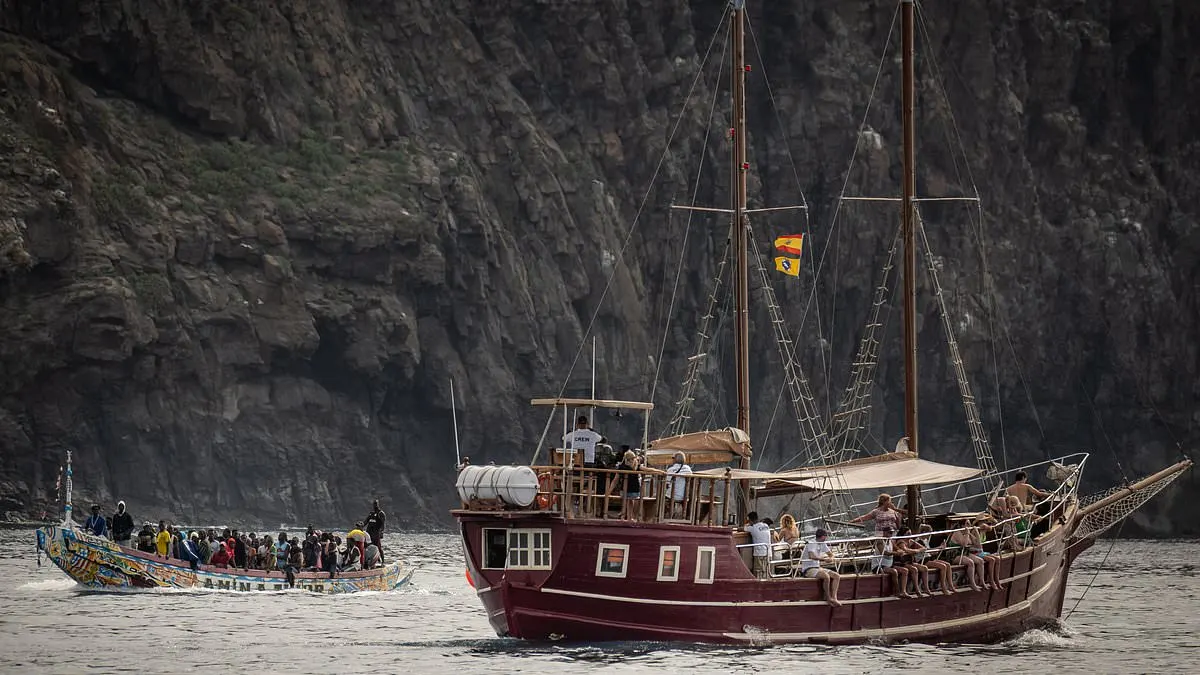
Two boats carrying 150 people each reached Tenerife on Monday after crossing the Atlantic from Gambia, with Spain’s Maritime Rescue Service escorting them to port. Their arrival adds to a sharp increase in crossings that has led Spain to declare a migration emergency in the Canary Islands.
More than 360 people arrived on El Hierro on Sunday, and about 1,580 reached the islands in 15 boats last Saturday, a record for one day. Spain has allocated €15.8 million to help transfer migrants to the mainland; around 17,000 people have arrived on El Hierro this year, where about 1,600 remain. The Atlantic route from West Africa is among the world’s deadliest migration routes.
In short
- Two boats with 300 people reached Tenerife.
- The Canary Islands recorded 1,580 arrivals in one day.
- Spain declared an emergency and allocated €15.8 million.
Steelman: both sides, in good faith
The strongest fair case each way — we don't pick a winner.
The case for
Spain’s emergency response and funding can be defended as necessary to protect people arriving on the islands and to share responsibility across the country. With arrivals rising sharply and many people still on El Hierro, transferring migrants to the mainland may ease pressure on local services while allowing authorities to manage reception more safely.
The case against
A rapid rise in arrivals can place substantial strain on island services and make it harder to provide accommodation, processing and support for everyone. Critics may argue that emergency transfers and funding address immediate pressures but need to be paired with effective migration management and cooperation with departure and transit countries, so the system remains sustainable.
Explained simply
The Canary Islands are Spanish islands off the north-west coast of Africa. People make the Atlantic crossing from countries including Gambia, often in small, crowded boats; the journey can take several days and is highly dangerous.
Spain’s Maritime Rescue Service helps boats in distress and brings people to port. Once ashore, migrants may be moved from the islands to mainland Spain, while the authorities arrange accommodation and other support.
The islands are a common entry point to Europe for people travelling from West Africa. Rising arrivals can put pressure on local services and create challenges for Spain in managing reception and onward transfers.