World news and discussion on TalkFuse.
The Feds Left Iowans in the Dark About Plans to Blow Up Tons of Lead
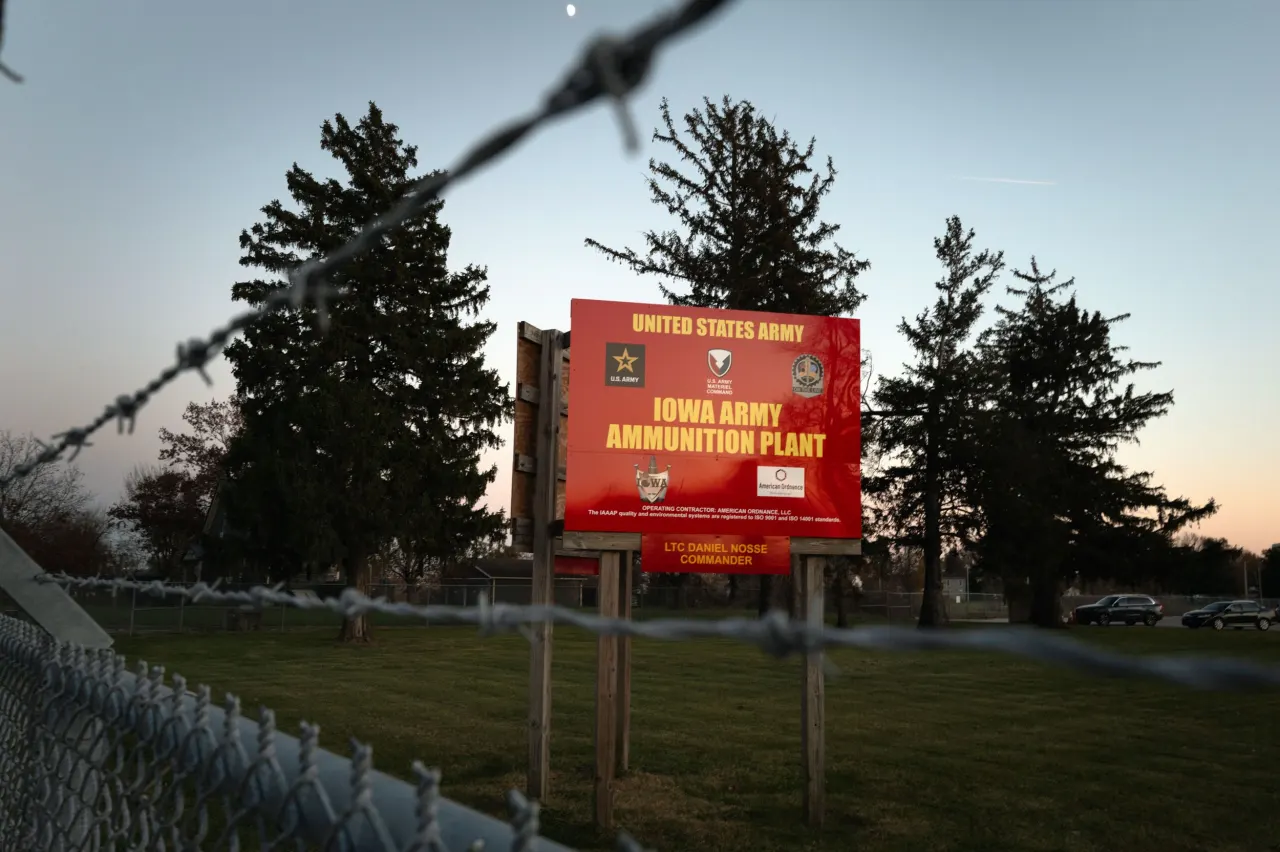
The US Army plans to detonate 9,500 pounds of degraded lead azide at a site near Middletown, Iowa, despite a court order blocking the blast. The announcement came with little advance notice to local officials and residents, leaving people unsure about possible exposure and how to protect themselves.
The Army says the 68 barrels pose an immediate risk of exploding on their own when temperatures fall below 30°F, and argues a controlled blast is safer. The material had been at the site for more than 20 years and was classified as hazardous waste in March. Officials had considered chemical clean-up, and a contractor was previously hired before that plan was dropped; the latest proposed blast date is the Wednesday before Thanksgiving.
In short
- The Army plans to detonate 9,500 pounds of lead azide in Iowa.
- Local officials and residents say they received little notice.
- The Army cites a risk of an accidental explosion in cold weather.
Steelman: both sides, in good faith
The strongest fair case each way — we don't pick a winner.
The case for
The Army’s strongest case is that degraded lead azide may explode unpredictably as temperatures fall, putting nearby people and workers at risk. A planned detonation could be a more controlled way to address an immediate danger than leaving the material in place, particularly if safer clean-up options are no longer feasible.
The case against
Residents and local officials have reason to object to a high-consequence blast planned with little notice, especially while a court order blocks it and people lack clear guidance about exposure or precautions. The material remained at the site for years, and chemical clean-up had been considered, so the Army should explain why those alternatives were rejected and provide transparent evidence that detonation is necessary and safer.
Explained simply
Lead azide is an explosive chemical used to set off other explosives. The barrels near Middletown, Iowa, contain about 9,500 pounds of degraded lead azide that has been stored at the site for more than 20 years and was classified as hazardous waste in March.
The US Army is responsible for dealing with the material, while local officials and residents are affected by decisions about the site. The Army says the barrels could explode on their own in cold weather; other clean-up options had been considered, including chemical treatment.
The issue matters because handling or detonating the material could affect people and the surrounding area, while leaving it in place also carries risks. Clear information helps residents understand the hazards and what steps, if any, they may need to take.