World news and discussion on TalkFuse.
Millions of Americans have medical debt. Experts worry the problem is about to get worse
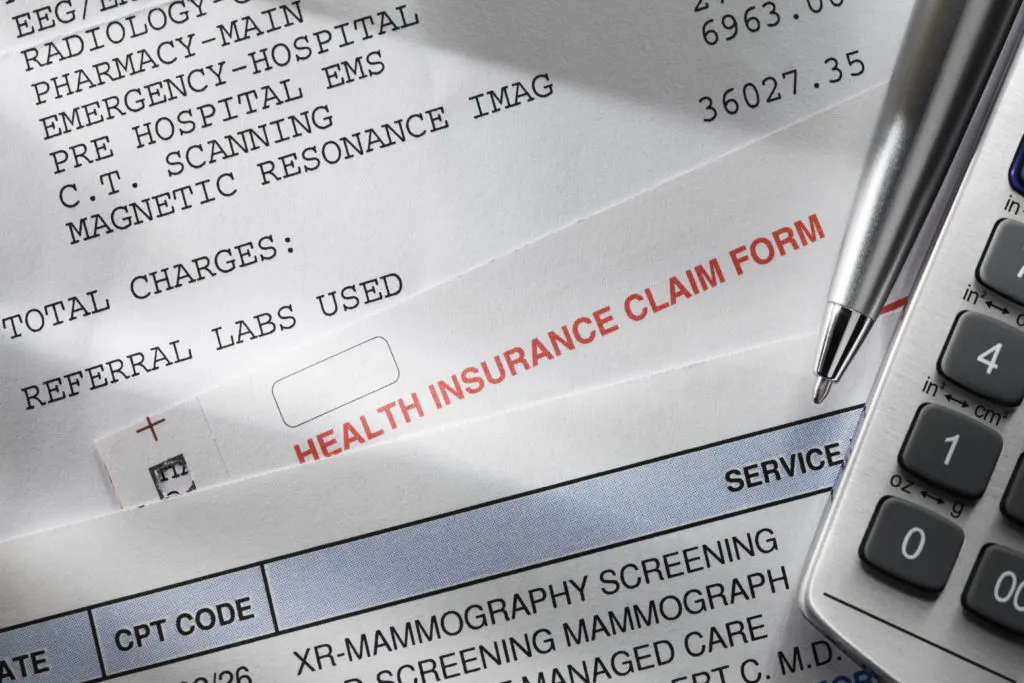
Experts warn that medical debt in the United States could become more widespread as healthcare costs and inflation strain household finances, while access to insurance falls. The issue increasingly affects people who are insured, as rising premiums and out-of-pocket costs can make care difficult to afford.
About 2.6 million people lost health coverage after enhanced Affordable Care Act premium tax credits expired at the end of 2025, and changes to Medicaid are expected to leave more people uninsured. Experts say reduced coverage could increase hospitals’ uncompensated care and costs for other patients; opaque billing and collections practices may add to the burden. The article says available data on medical debt is sparse and varies widely.
In short
- Medical debt can affect people with insurance as well as the uninsured.
- About 2.6 million lost coverage after tax credits expired.
- Experts cite rising costs, reduced coverage and opaque billing.
Steelman: both sides, in good faith
The strongest fair case each way — we don't pick a winner.
The case for
Expiring subsidies and tighter Medicaid eligibility may leave more people exposed to large bills, even when they seek necessary care. Supporters of extending coverage and strengthening consumer protections argue that illness should not push households into debt, and that clearer billing and limits on aggressive collections would make costs more predictable.
The case against
Those favouring reduced public support may argue that subsidies and broader eligibility shift costs to taxpayers and can sustain higher healthcare spending without addressing its underlying drivers. They may prefer targeted assistance and reforms that increase price transparency, competition and personal choice, while recognising that incomplete data makes the scale and likely growth of medical debt difficult to measure.
Explained simply
In the United States, health insurance helps pay for medical care, but it does not always cover the full cost. Patients may still owe money through deductibles, co-payments and other charges, and those bills can become medical debt when they cannot be paid.
The Affordable Care Act offers insurance plans and financial help with premiums, while Medicaid provides coverage for people who meet income and other eligibility rules. Hospitals also treat people who cannot pay, and may seek to recover costs through billing and debt collection.
Medical debt can affect insured as well as uninsured people, particularly when premiums and out-of-pocket costs rise faster than household budgets. Estimates of how many people owe medical debt differ because the available data is limited and gathered in different ways.