Entertainment news and discussion on TalkFuse.
Peru monitors social media accounts of left-wing artists and activists for signs of terrorism
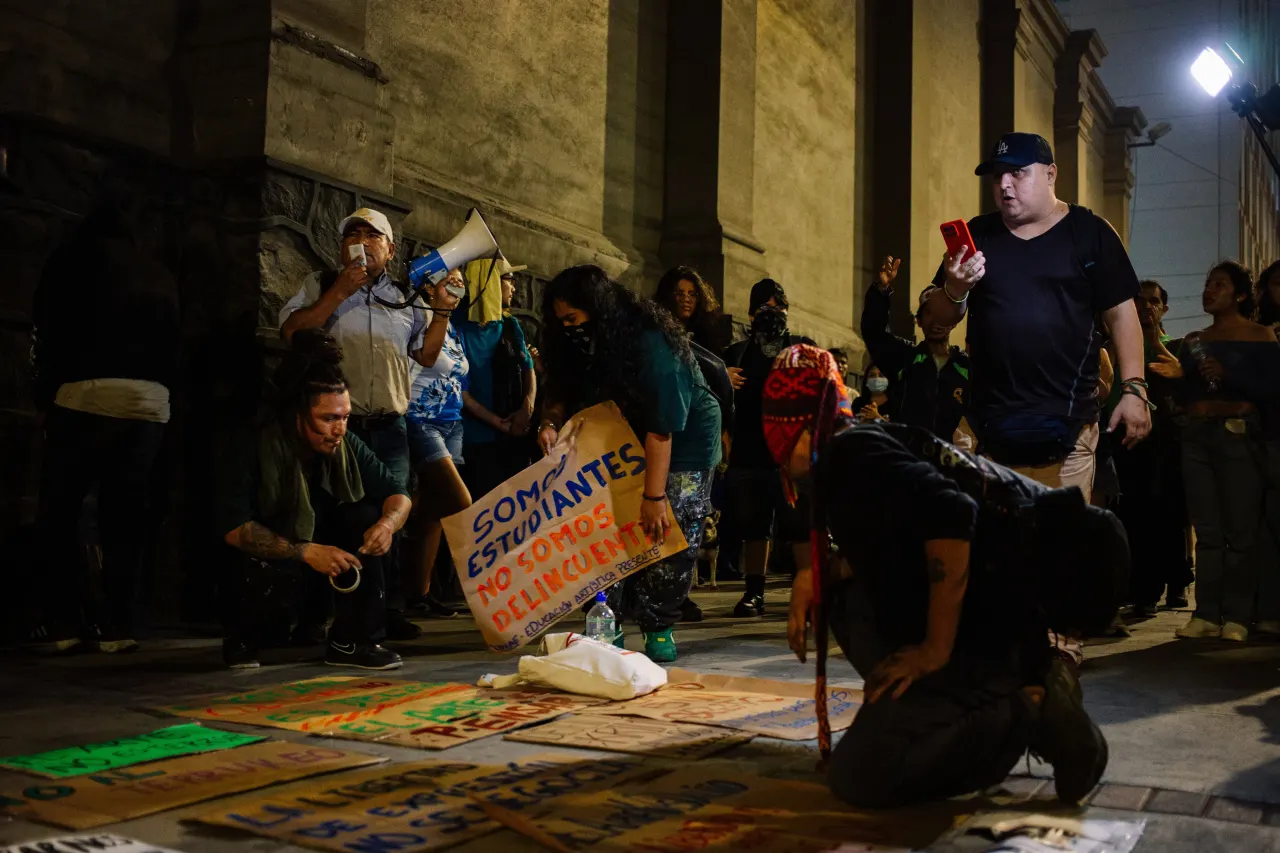
Peruvian anti-terrorism police are monitoring social media accounts belonging to left-wing activists, artists and groups, searching for material they consider evidence of links to terrorist organisations. The practice, described in official documents as “virtual patrolling”, has prompted concern that protest and political expression could be treated as criminal activity.
The scrutiny has featured in a case against rappers Pedro Mosqueira, known as Pedro Mo, and Brenda Mejía, or Brenda Jah, who were detained for 15 days while prosecutors investigated alleged links to a new group connected to the long-dismantled MRTA. The case began after a Facebook group posted a video of armed, hooded people; prosecutors rely largely on a confidential witness who says he recognised Mosqueira in the footage and submitted seven audio recordings, without expert reports or other independent corroboration cited in the article. Artists, human rights groups and three UN rapporteurs have warned of stigma and restrictions on civic freedoms.
In short
- Police are monitoring left-wing social media accounts for alleged terrorist links.
- Two rappers were detained for 15 days in an MRTA-related investigation.
- Critics say the approach risks stigmatising activists and limiting civic freedoms.
Steelman: both sides, in good faith
The strongest fair case each way — we don't pick a winner.
The case for
Authorities can argue that monitoring public social media is a preventive way to identify recruitment, threats or renewed activity by organisations linked to past political violence, and that investigating credible leads may help protect the public. In a country with a history of terrorism, they may see early scrutiny as justified provided searches and prosecutions follow the law and evidence is independently tested.
The case against
Critics can argue that broad monitoring of left-wing artists and activists risks treating political expression, protest or association as evidence of terrorism, chilling lawful participation and deepening stigma. In this case, the article says the allegations rely largely on a confidential witness and recordings without cited expert analysis or independent corroboration, raising concerns about whether intrusive scrutiny and detention are proportionate and well-supported.
Explained simply
Peru’s internal conflict lasted from 1980 to 2000, when the state fought armed groups including the Maoist Shining Path and the Marxist MRTA. Both groups were largely dismantled, but Peru still has laws against terrorism and police units tasked with investigating suspected links to such organisations.
The MRTA, or Túpac Amaru Revolutionary Movement, was a left-wing armed group that carried out attacks and hostage-taking before its defeat. Today, artists and activists use social media to share political views and organise, while police can monitor public posts as part of investigations; the dispute is over how to distinguish evidence of criminal links from political expression.
The issue matters because terrorism investigations can bring detention and serious criminal penalties, while broad monitoring may affect people’s ability to speak and organise. Human rights groups and UN experts have raised concerns about how such scrutiny could affect civic freedoms.