Technology news and discussion on TalkFuse.
Car software updates can fix safety faults and security flaws
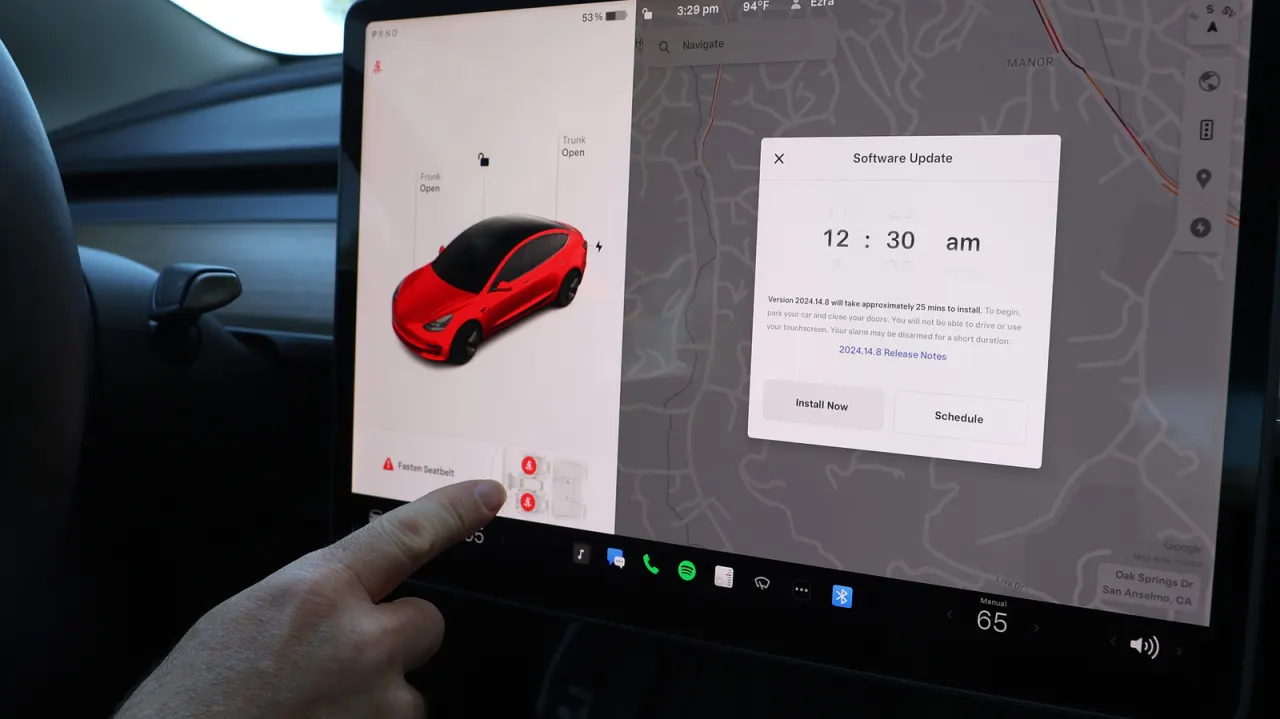
Modern cars rely on software for functions ranging from engine control to driver assistance, so bugs can affect safety as well as convenience. Updates can fix faults, patch security vulnerabilities and sometimes change how a car drives; putting them off may leave important defects or recall repairs unresolved.
Many recalls are now addressed through free over-the-air updates, including Tesla’s recall of more than two million cars over Autopilot safety controls. Updates can take up to 90 minutes, and requirements vary: GM’s 2025 and 2026 warranty booklets give owners 45 days to install updates and exclude some resulting damage from cover, while other manufacturers have different policies. Owners should check release notes and their car’s warranty, and install updates when they will not need to drive.
In short
- Car software updates can address safety faults and security risks.
- More than two million Tesla cars received an Autopilot recall update.
- Update access and warranty rules vary by manufacturer.
Steelman: both sides, in good faith
The strongest fair case each way — we don't pick a winner.
The case for
Prompt software updates can repair safety defects, close security gaps and complete recalls without requiring a workshop visit, helping protect drivers and other road users. Since cars increasingly depend on software, delaying a relevant fix can leave a known fault unresolved; installing it while the car is safely parked is a practical way to reduce that risk.
The case against
Owners may reasonably want to understand what an update changes before installing it, particularly when it can affect how the car drives or take the vehicle out of use for a long period. Different warranty terms and update policies can also make the consequences unclear, so checking the release notes and coverage first helps preserve informed choice and avoid unexpected disruption or disputes over damage.
Explained simply
Software helps run many parts of a modern car, from its engine to features that assist the driver. An error in that software can affect how the car works, while a weakness in its security could leave it open to tampering.
Car makers can send software changes to some vehicles remotely, and updates may address faults or security risks. Whether an update is required, how it is installed and what the warranty covers can vary by manufacturer, so these details matter to owners deciding when to update.
Read the full article at the source →
Originally published by Engadget as “The reasons why you should never ignore your car’s software updates”.