Politics news and discussion on TalkFuse.
Car bomb injures at least 23 in Villavicencio square
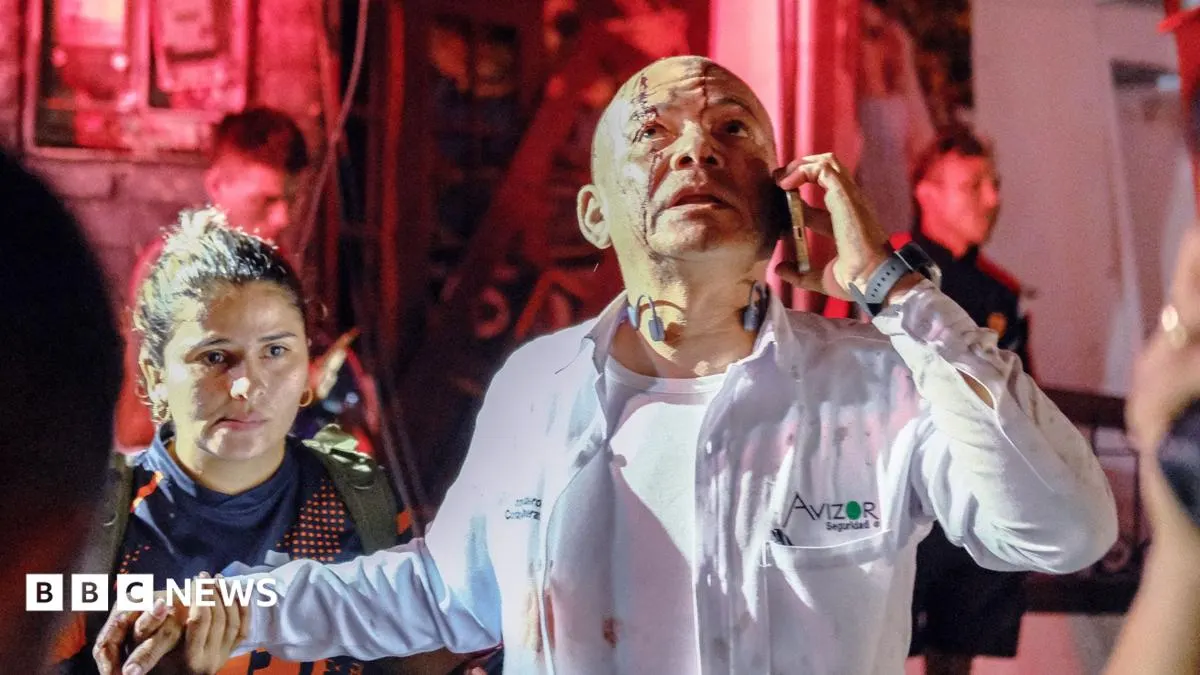
A car bomb exploded in a central square in Villavicencio, Colombia, injuring at least 23 people and damaging several buildings near regional government offices. No group has claimed responsibility; President Abelardo de la Espriella blamed “narcoterrorism” and vowed a forceful response, amid a recent rise in attacks on government and security sites.
The blast came three weeks after a car bomb near army barracks killed four people, including a baby, and on the same day as a drone attack on police headquarters in Cúcuta. It occurred on the eve of the tenth anniversary of Colombia’s 2016 peace deal with the Farc, whose dissident factions and other armed groups have since expanded attacks while competing over illegal economies. The president has criticised the agreement, while its signatories argue that violence has worsened because it was not fully implemented.
In short
- A car bomb in Villavicencio injured at least 23 people.
- No group has claimed responsibility for the attack.
- The blast came amid rising attacks and debate over Colombia’s peace deal.
Steelman: both sides, in good faith
The strongest fair case each way — we don't pick a winner.
The case for
A forceful state response can be defended as necessary to protect civilians and public institutions when bombings and attacks on security sites are increasing. Advocates may argue that the government must disrupt armed groups and illegal economies, while making clear that those responsible will face consequences.
The case against
A response centred on force risks harming civilians, escalating violence and strengthening armed groups’ appeal, particularly if it is not paired with accountable policing and efforts to address the conditions that sustain conflict. Advocates of the peace agreement may argue that renewed violence shows the costs of incomplete implementation, and that pursuing its commitments alongside security measures offers a more durable path to protecting communities.
Explained simply
Villavicencio is a city in eastern Colombia, where armed groups have long competed for control of territory and illegal businesses such as drug trafficking. The 2016 peace agreement was signed by the government and the Farc, a guerrilla group; some Farc factions rejected the deal or later took up arms again.
Since the agreement, dissident factions and other armed groups have continued to fight, including through attacks on government and security forces. The government and the agreement’s supporters disagree over how much the deal’s incomplete implementation has contributed to the violence, making security a major issue in Colombia.
Read the full article at the source →
Originally published by BBC World as “Car bomb tears through Colombian city wounding more than 20”.