Entertainment news and discussion on TalkFuse.
Did The Rolling Stones foreshadow their ousting of Brian Jones with an album cover?
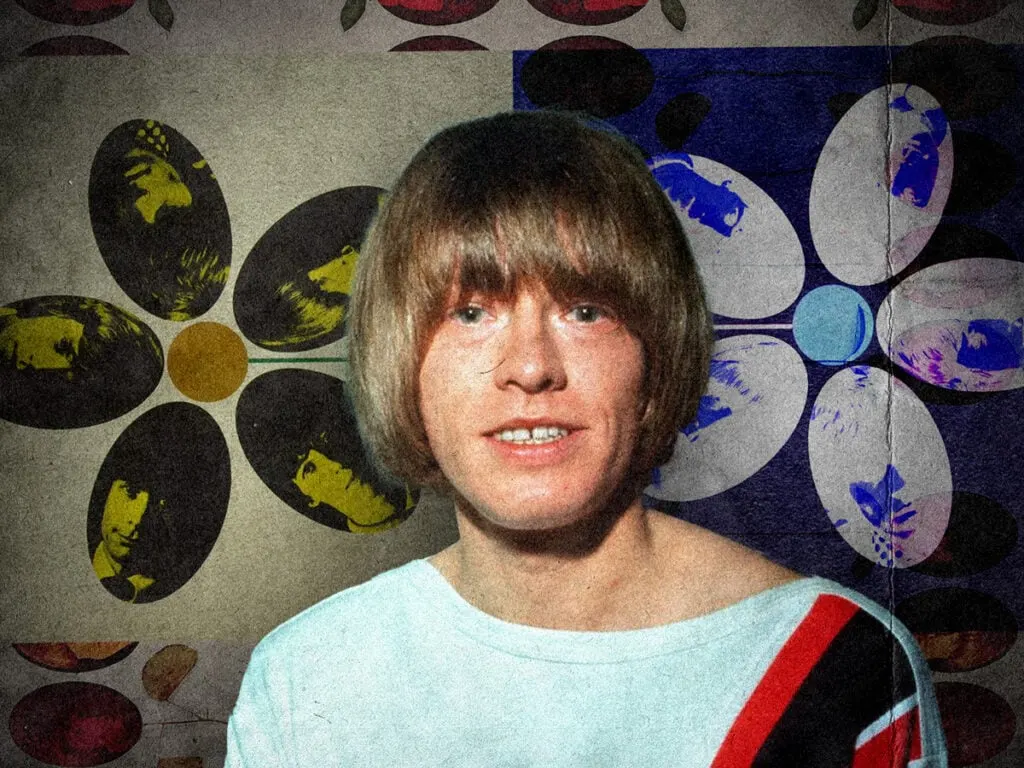
The Rolling Stones’ 1967 compilation *Flowers* has a cover detail that some later viewers have read as foreshadowing Brian Jones’s growing estrangement from the band. Jones is the only member looking away from the camera, and his flower is the only one without leaves; the article suggests these choices take on a darker meaning given what followed.
The cover used portraits from an unused 1966 photoshoot, and bassist Bill Wyman later recalled that Mick Jagger and Keith Richards intended the bare stem as a joke about Jones, though he said he did not understand it. *Flowers*, released in the United States by London Records, combined previously issued material and was criticised as an unnecessary collection; Richards said it had been assembled because the label wanted more product. By 1967, Jones’s relationship with the band was deteriorating as Jagger and Richards took greater control of songwriting, while his personal difficulties deepened; he died in 1969.
In short
- Brian Jones’s flower on *Flowers* is the only one without leaves.
- Bill Wyman recalled it may have been a joke by Jagger and Richards.
- The cover detail gained significance as Jones became estranged from the band.
Steelman: both sides, in good faith
The strongest fair case each way — we don't pick a winner.
The case for
The cover’s details can reasonably be read as an early sign of Jones’s growing distance from the group: he alone looks away, and his flower lacks leaves. Bill Wyman’s recollection that Jagger and Richards meant the bare stem as a joke about Jones lends that interpretation some support, especially in light of the later tensions over control and songwriting.
The case against
The idea of deliberate foreshadowing is harder to establish than the details themselves: the portraits came from an unused 1966 photoshoot, and Wyman said he did not understand the joke. Reading the cover through Jones’s later estrangement and death may give ambiguous design choices a significance they did not have at the time; the album was also a label-driven compilation rather than a planned statement about the band’s future.