Business news and discussion on TalkFuse.
No Meaningful Distinction Between Public and Private
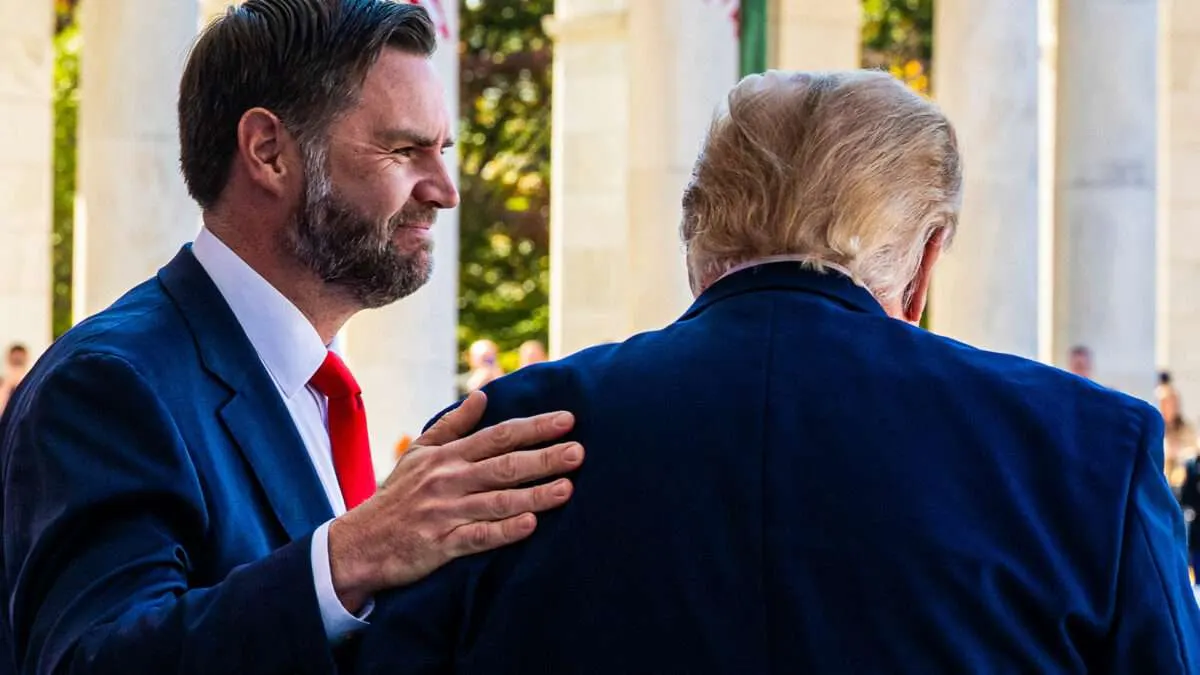
President Donald Trump said he saw no problem with a president choosing the chief executive of a private technology company, after claiming credit for Nvidia CEO Jensen Huang’s return to the role. Asked whether he might intervene at companies such as Microsoft or OpenAI, Trump offered no clear rule, describing his decision as a matter of “touch” and “feel”. The episode raises questions about the limits of presidential influence over private businesses.
The article says Huang had resigned amid allegations involving extramarital affairs and possible risks to national security, though it does not establish the claims as fact. It contrasts Trump’s intervention with his administration’s tough approach to trade with Canada and undocumented immigrants, arguing that the government appears to apply different standards to favoured and disfavoured groups. The author says the issue is both principled and practical, including concerns about corruption and the consequences of political interference in business.
In short
- Trump says he has no formula for intervening in tech companies.
- He took credit for Nvidia CEO Jensen Huang’s return.
- The episode raises concerns about unequal treatment and presidential influence.
Steelman: both sides, in good faith
The strongest fair case each way — we don't pick a winner.
The case for
A president may argue that engagement with major technology firms is part of protecting national security and economic competitiveness, particularly where their decisions affect critical infrastructure or strategic industries. If a chief executive’s return helps preserve a company’s stability or capacity to serve national interests, selective intervention could be defended as pragmatic leadership, provided it is lawful and transparent.
The case against
A president’s influence over who leads a private company can undermine corporate independence, unsettle markets and create pressure to reward allies or punish critics. Without clear, consistently applied limits, decisions guided by personal “touch” and “feel” risk favouritism and erode confidence that government power is being used fairly.
Explained simply
A company’s chief executive is its most senior manager, usually chosen by the company’s board. Presidents can influence businesses through laws, trade policy and government contracts, but private firms generally make their own leadership decisions.
Jensen Huang leads Nvidia, a technology company best known for designing computer chips used in artificial intelligence. Donald Trump is the US president; his comments have prompted questions about how far a president should go in shaping decisions at private companies, and whether that influence is applied consistently.
The issue matters because political pressure on businesses can affect competition, investment and public trust. It also raises questions about conflicts of interest and who should be accountable when government and business decisions become closely connected.
Business Companies Government Politics