Health news and discussion on TalkFuse.
‘If we had genetic testing, my sister’s life could have been saved’
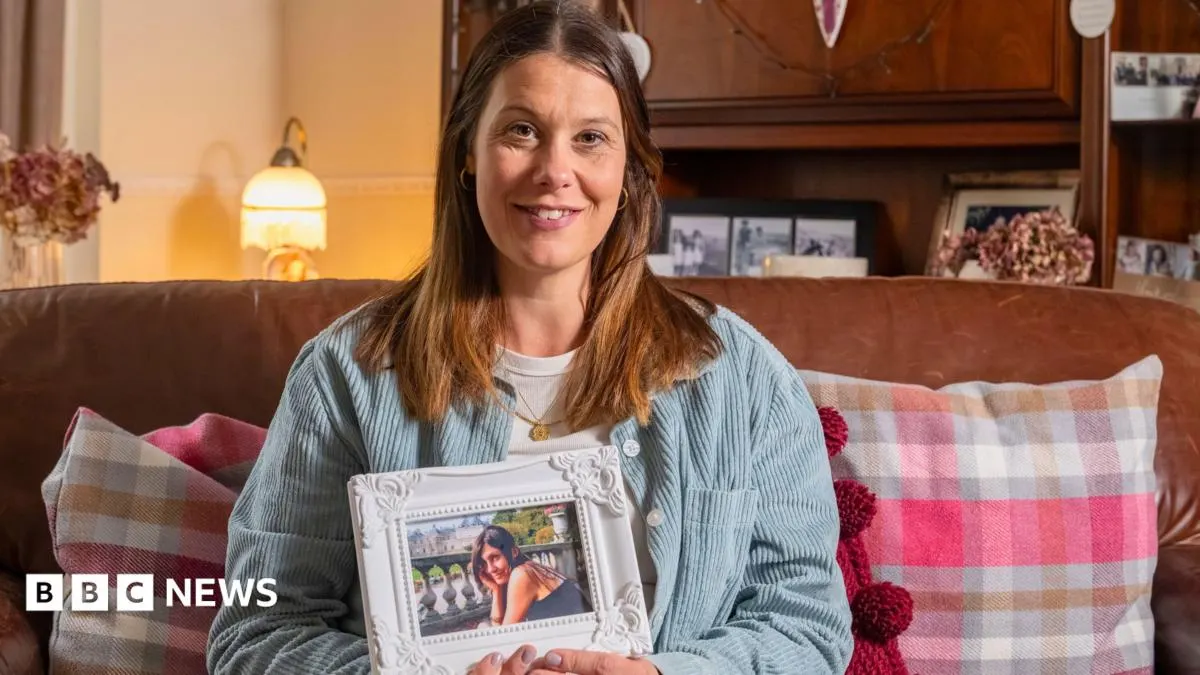
Katie McSweeney and her sister Sara were both diagnosed with stage three bowel cancer in 2017, despite being young and otherwise well. Testing later showed they had Lynch Syndrome, an inherited condition that raises the risk of several cancers; Sara died nine months after diagnosis, and Katie believes earlier testing and screening might have saved her.
Katie, now 39, is supporting the PROTECT-C trial, funded by Yorkshire Cancer Research, which invites thousands of women in Yorkshire to take an at-home saliva test for cancer-related genetic variants. The sisters’ results came too late to inform their care, while Katie now receives surveillance screening. Sara’s symptoms were initially thought to be pregnancy-related, and her Lynch Syndrome result arrived days after her death.
In short
- Sisters Katie and Sara both had stage three bowel cancer.
- Testing found they carried Lynch Syndrome.
- Katie is backing a Yorkshire genetic screening trial.
Explained simply
Lynch syndrome is an inherited condition that increases the chance of developing bowel and some other cancers, often at a younger age. It is caused by changes in genes passed down through families, so identifying it can help relatives understand their risk.
People with Lynch syndrome may be offered regular checks to look for cancer early, and genetic testing can help identify who may benefit from them. The PROTECT-C trial is studying whether at-home saliva tests can help find cancer-related gene variants among women in Yorkshire; Katie McSweeney is supporting the research after she and her sister Sara were diagnosed with bowel cancer in 2017.