Politics news and discussion on TalkFuse.
Ministers agree to reform ‘dehumanising’ disability benefit received by millions
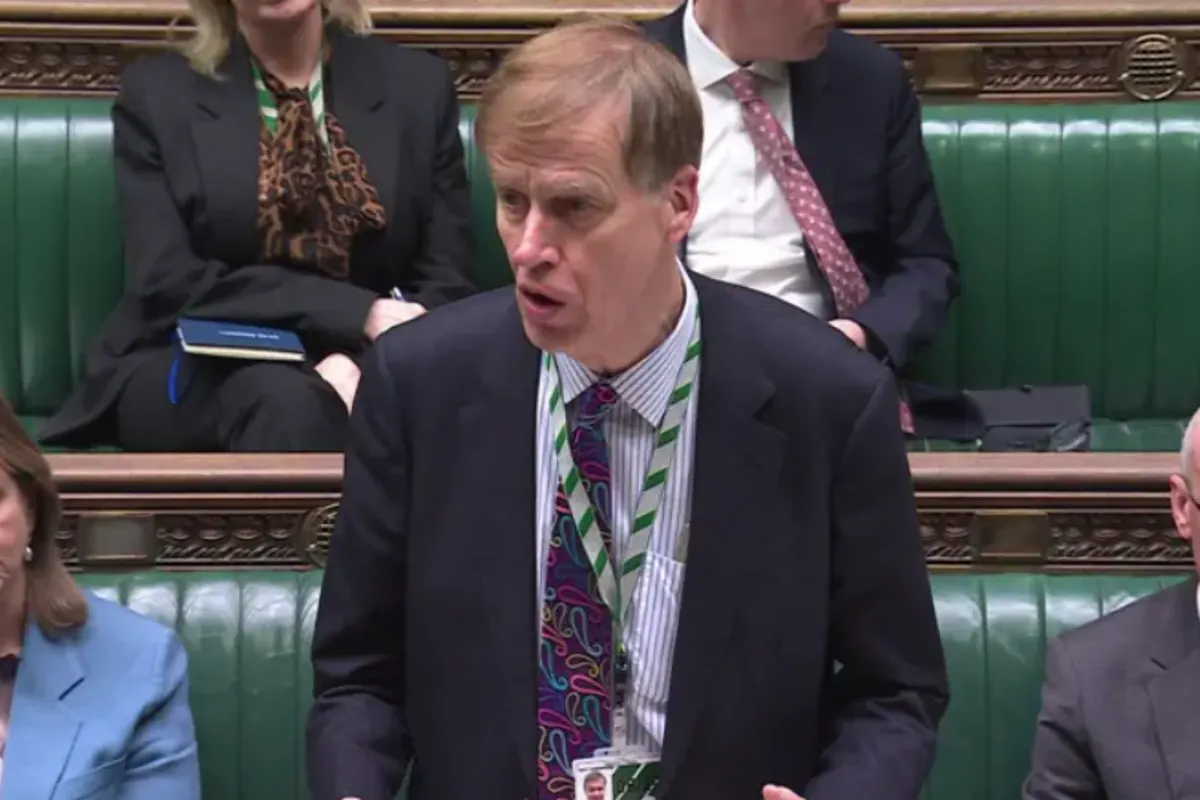
Ministers have accepted two initial changes to Personal Independence Payment (PIP) and are considering wider reforms proposed in a year-long review. The review describes the system as no longer fit for purpose and seeks to make it more supportive for disabled people, but economists warn that easier applications could increase claims and public spending.
The accepted changes would reduce unnecessary reassessments for people with lifelong or progressive conditions and create a faster route for people with severe, well-evidenced conditions or nearing the end of life. The review does not recommend cutting the benefits bill, unlike a separate report by Alan Milburn, which proposed removing PIP for under-25s. Ministers are due to respond to the review’s wider proposals in the new year; the IFS and Resolution Foundation expect possible increases in claimant numbers or costs.
In short
- Ministers accepted two initial PIP changes.
- Economists warn reforms could increase claims and spending.
- Wider proposals are due for a government response in the new year.
Steelman: both sides, in good faith
The strongest fair case each way — we don't pick a winner.
The case for
Reform could make PIP fairer and less distressing for disabled people by ending repeated assessments for those whose conditions are lifelong or progressive, and speeding support for people with severe conditions or nearing the end of life. If the system is no longer fit for purpose, wider changes could make it more supportive and help people access benefits that reflect their needs.
The case against
A more accessible application process and fewer reassessments could increase claims and public spending, so ministers need to consider affordability alongside compassion. Wider reform should also be scrutinised to ensure that changes are well targeted and sustainable, particularly when the review does not aim to reduce the benefits bill.
Explained simply
Personal Independence Payment, or PIP, is a UK benefit for people with long-term health conditions or disabilities who need extra help with daily tasks or getting around. It is not means-tested, so eligibility does not depend on income or savings, and it can be paid whether or not someone is in work.
The Department for Work and Pensions assesses claims, often using evidence about how a condition affects a person’s everyday life. Reassessments and application processes have been criticised as stressful and difficult, while questions about eligibility also affect public spending.
The review is considering changes to how people qualify and how claims are handled. Its proposals differ from a separate report by Alan Milburn, which suggested ending PIP for people under 25, and any changes could affect both disabled people who rely on the benefit and the cost to taxpayers.