World news and discussion on TalkFuse.
Australia mulls closing key Russian oil loophole, but with no deadline in mind
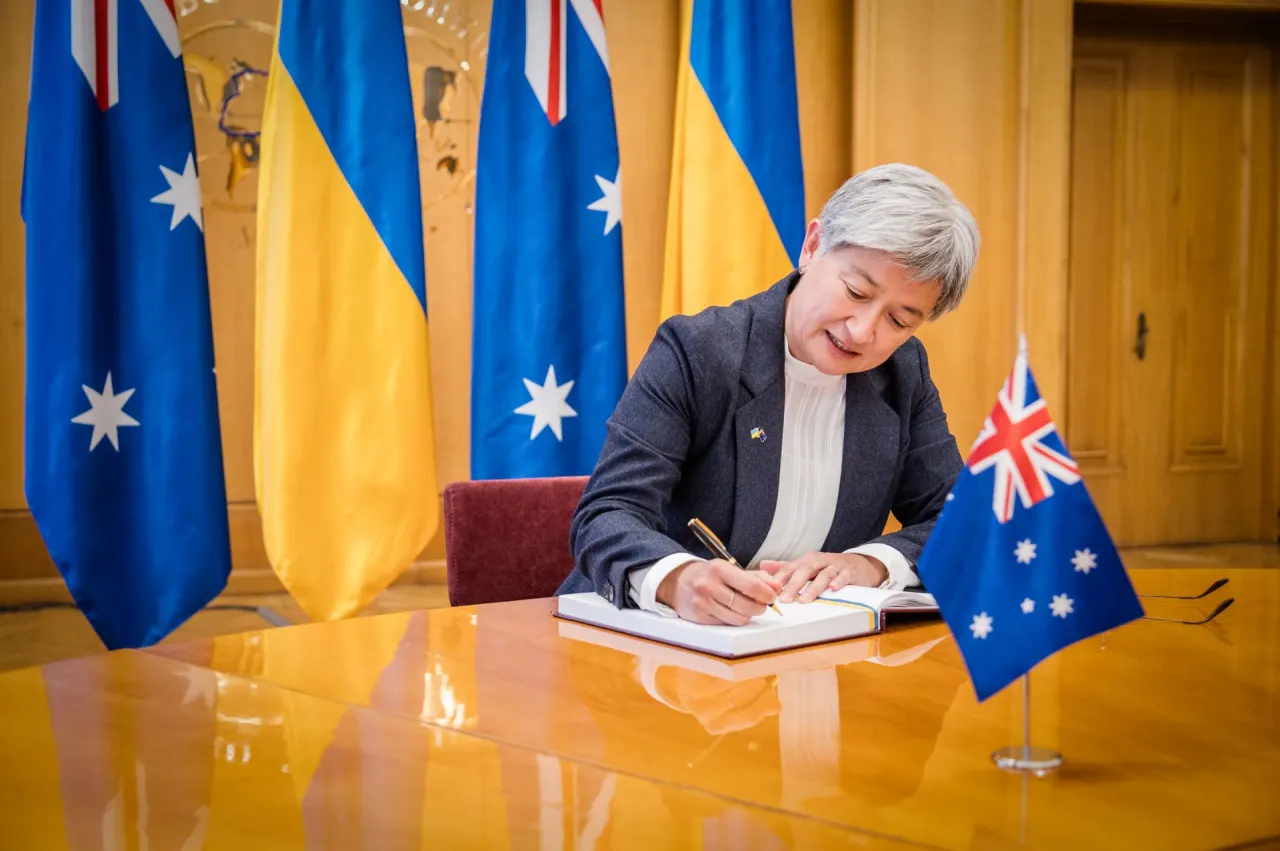
Australia is reviewing proposals to tighten its sanctions on Russia, including a ban on petroleum products made abroad from Russian oil. Foreign Minister Penny Wong’s response offered no firm commitment or timeline, leaving the refining loophole open and raising questions about how effectively Australia’s existing restrictions can limit Russian oil sales.
Australia already bars direct imports of Russian oil and petroleum products, but products refined from Russian crude, particularly in India, still reach the country. An Australian Senate committee recommended 11 measures in August; Wong said the government was considering them and would respond in due course. Advocacy group B4Ukraine welcomed Australia’s support for Ukraine but urged it to close the loophole, which the EU and UK have already addressed.
In short
- Australia is considering tighter Russia sanctions.
- Refined Russian oil can still enter via third countries.
- The government set no deadline for its response.
Steelman: both sides, in good faith
The strongest fair case each way — we don't pick a winner.
The case for
Closing the loophole would make Australia’s sanctions more consistent: otherwise, Russian crude can still earn revenue after being refined abroad and sold as fuel. Advocates argue that aligning with measures already adopted by the EU and UK would reduce this route for financing Russia’s war and demonstrate sustained support for Ukraine.
The case against
A government could reasonably weigh a broader ban against its practical effects, including enforcement challenges in tracing the origin of refined products and possible costs or disruption to fuel supply and trade. Reviewing the Senate recommendations before setting a deadline may allow officials to assess those consequences and design a workable policy, while maintaining the existing ban on direct Russian imports.
Explained simply
Australia banned imports of Russian oil and fuel after Russia’s full-scale invasion of Ukraine in 2022. But crude oil can be sent to another country, refined into fuel and then exported to Australia, where the ban does not currently cover it.
India is one of the countries refining Russian crude, and some of the resulting petroleum products reach Australia. A Senate committee has recommended measures to strengthen sanctions, while the European Union and UK have already restricted imports of fuel made from Russian oil.
Sanctions are intended to limit Russia’s income from oil sales. How Australia defines which fuels are covered affects how far its restrictions reach, while any changes also involve decisions about trade rules and how the ban would be enforced.
Europe Geopolitics Government Politics World