World news and discussion on TalkFuse.
Hungary leader Peter Magyar ‘conveys solidarity’ by Zelensky’s side in first official visit to Ukraine
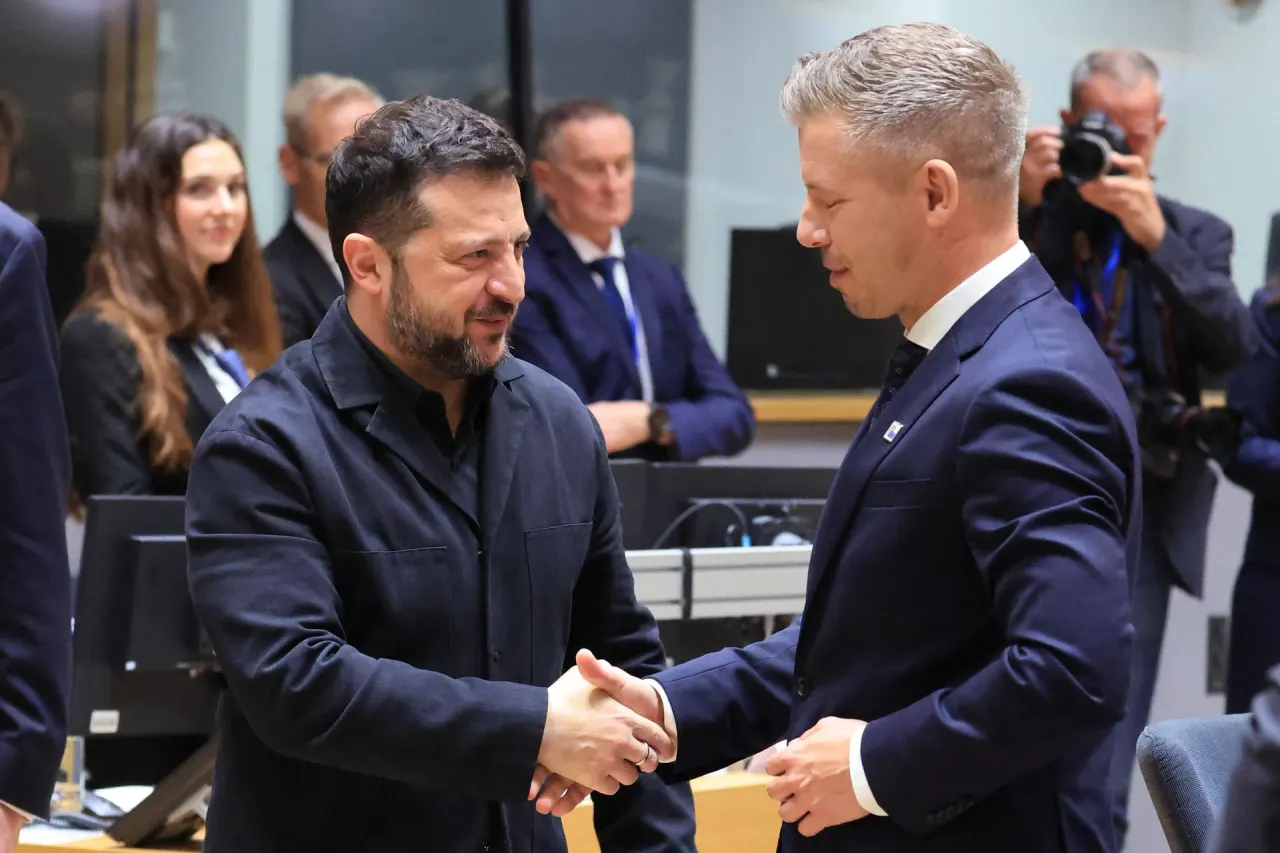
Hungarian Prime Minister Peter Magyar met Ukrainian President Volodymyr Zelensky in Zakarpattia on 24 November, marking their first formal bilateral meeting since Magyar took office in May. Magyar said he had come to convey solidarity from the Hungarian people, signalling improving ties between the neighbours.
The leaders agreed to work on gas and diesel supplies, access for Hungarian firms to Ukrainian gas storage, border crossings and direct train routes. Hungary pledged Hr 1 billion, or $22.2 million, in humanitarian aid, including medicines and generators; Ukraine also offered to supply corn amid a shortfall in Hungary’s harvest, with further agricultural trade discussed. Relations have warmed since Magyar replaced Viktor Orban, with Hungary allowing Ukraine’s EU membership bid to advance and Ukraine adopting protections for its Hungarian-speaking minority.
In short
- Magyar made his first official visit to Ukraine as prime minister.
- Hungary pledged $22.2 million in humanitarian support.
- The leaders agreed to pursue energy, transport and food trade.
Steelman: both sides, in good faith
The strongest fair case each way — we don't pick a winner.
The case for
The visit and practical agreements offer a chance to rebuild trust after strained relations, while humanitarian aid and cooperation on energy, transport and trade can bring tangible benefits to people in both countries. Supporters may see solidarity with Ukraine and progress on minority protections and EU ties as compatible with Hungary pursuing its own interests.
The case against
A cautious view is that improved relations and aid should not obscure unresolved disputes or the risks of deeper dependence on cross-border energy and trade. Hungary should secure clear safeguards for its Hungarian-speaking minority and assess any steps affecting Ukraine’s EU path on their merits, while ensuring public funds and agreements serve Hungarian interests.