World news and discussion on TalkFuse.
Scotland’s dementia carers need practical support as deaths rise
Developed over time first seen 1 day ago
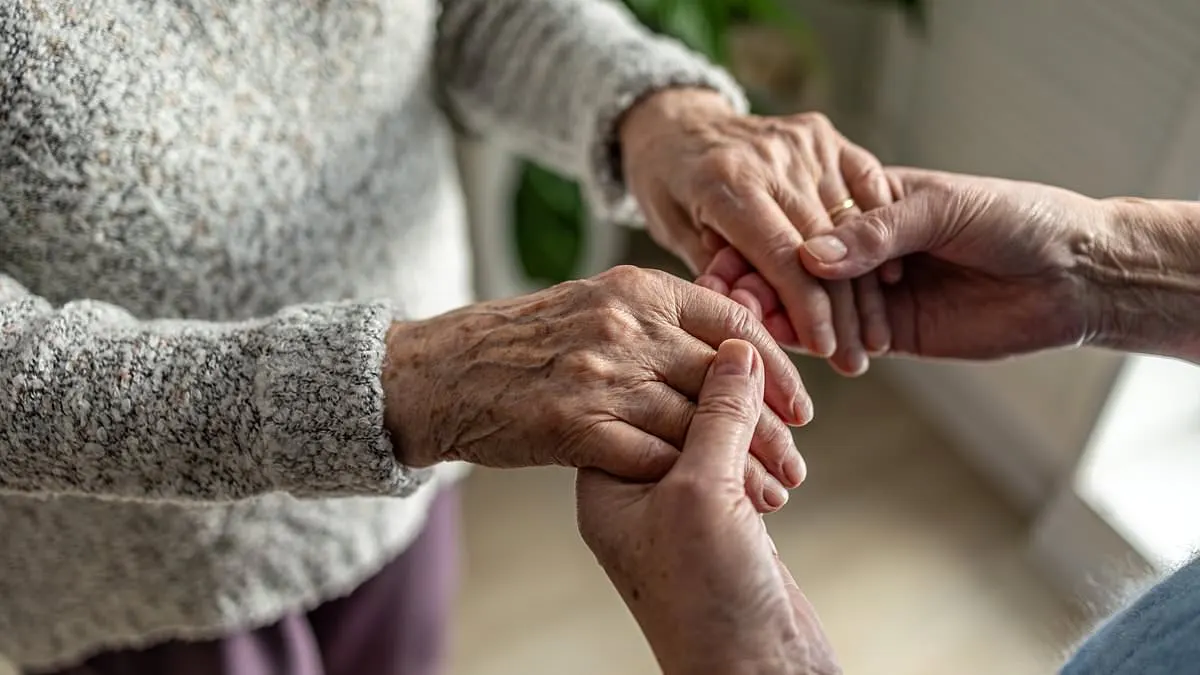
Unpaid dementia carers provide essential support to people across Scotland while balancing work, family life and their own health. Alzheimer Scotland says recognition must be matched by practical help, as dementia deaths have reached their highest level since 2000 and the condition is Scotland’s leading cause of death when cancers are counted separately.
The charity is working with Alzheimer’s Society and Mail Force on the Dementia Carers Together campaign, which will help expand its free Carer Education programme. Carers Scotland found 49 per cent of unpaid carers surveyed had cut their hours or left paid work because of caring, while an Alzheimer Scotland survey of 845 people found 80 per cent said support reduced or did not increase as dementia progressed. The charity calls for stronger access to respite, day care, rehabilitation and specialist community services.
- Sources
- 2
- Outlets
- 1
- Left · Centre · Right
- 0 · 0 · 2
In short
- Dementia is Scotland’s leading cause of death when cancers are separated by type.
- 49 per cent of surveyed unpaid carers reduced work or left paid employment.
- Alzheimer Scotland says practical services must grow alongside carer education.
How this story developed
- 1 day ago Unpaid dementia carers provide essential support to people across Scotland while balancing work, family life and their own health.
Full account
The rising number of deaths attributed to Alzheimer’s disease and other dementias in Scotland has renewed attention on the people who provide care at home. According to figures cited by Alzheimer Scotland from National Records of Scotland, dementia accounted for more than one in ten deaths in 2025, the highest number recorded since 2000. It was the leading individual cause of death when cancers were counted separately by type. Behind those figures are families and friends who may spend years helping someone manage daily life, often alongside paid work, other family responsibilities and their own health needs.
Alzheimer Scotland says unpaid carers make an essential contribution to a health and social care system already under pressure. The demands can change as dementia progresses, while carers may have to find out for themselves which services are available and who can help arrange them. Respite care can be difficult to secure. There can also be lasting financial consequences: research by Carers Scotland, covering unpaid carers in a range of circumstances, found that 49 per cent of those surveyed had reduced their working hours or left paid employment because of caring. Lost earnings may be compounded by lower pension contributions. That figure describes unpaid caring generally and should not be read as a separate estimate for dementia carers.
A joint Dementia Carers Together appeal involving Alzheimer Scotland, Alzheimer’s Society, the Daily Mail and its Mail Force charity aims to expand support. Alzheimer Scotland plans to continue and extend its Carer Education programme, developed with input from people with direct experience. Its free sessions explain dementia, carers’ rights and how to navigate services, while giving participants a chance to meet others in similar situations. The wider appeal also seeks to fund six-week courses for friends and relatives across Britain. Such programmes could help carers feel better informed and less isolated, although Alzheimer Scotland stresses that education and emotional support alone cannot resolve shortages of appropriate services, difficulties arranging breaks or uncertainty over who coordinates care.
Baroness Louise Casey, who chairs an independent commission on adult social care, has offered a sharper assessment. In an interview with the Daily Mail, she said families may receive little clear help after a dementia diagnosis and called for a defined offer of treatment, advice and practical assistance for patients and those caring for them. She also argued that stigma surrounding both dementia and ageing contributes to neglect. Her criticism and Alzheimer Scotland’s account point towards the same practical question: whether a diagnosis reliably connects families with support they can use over time. The appeal may provide valuable guidance and contact with other carers, while access to respite, coordinated care and financial security remains a broader challenge for services and policymakers.
Where outlets differ
From the full account, which is AI-written from the sources:
Alzheimer Scotland centres its account on Scotland’s 2025 death figures, the contribution and financial pressures of unpaid carers, and the benefits and limits of its existing education programme. The Daily Mail report centres on Baroness Casey’s criticism of the support offered after diagnosis and describes the proposed six-week courses across Britain. Neither account establishes that the appeal alone will address gaps in statutory care or respite provision.
Explained simply
Dementia is a group of conditions that affect memory, thinking and daily life, and many people who have it rely on unpaid care from relatives or friends. In Scotland, these carers often combine care with paid work and other family responsibilities.
Alzheimer Scotland is a charity that supports people affected by dementia and campaigns for services. It is working with Alzheimer’s Society and Mail Force on a campaign to expand free education for carers, while carers’ groups have reported that some people reduce or leave paid work and that support can become harder to access as dementia progresses.
Respite care, day care, rehabilitation and specialist community services can help people with dementia and those who care for them. Access to these services matters as deaths linked to dementia rise and the need for care changes over time.
Coverage · 2 sources
Bias meters
From 2 rated sources.
Read the full article at the source →
Originally published by Daily Mail as “‘Unpaid dementia carers make an extraordinary contribution, but we know they need much more than recognition… they need practical support’”.