Technology news and discussion on TalkFuse.
Beaver Moon will rise as first of four consecutive supermoons
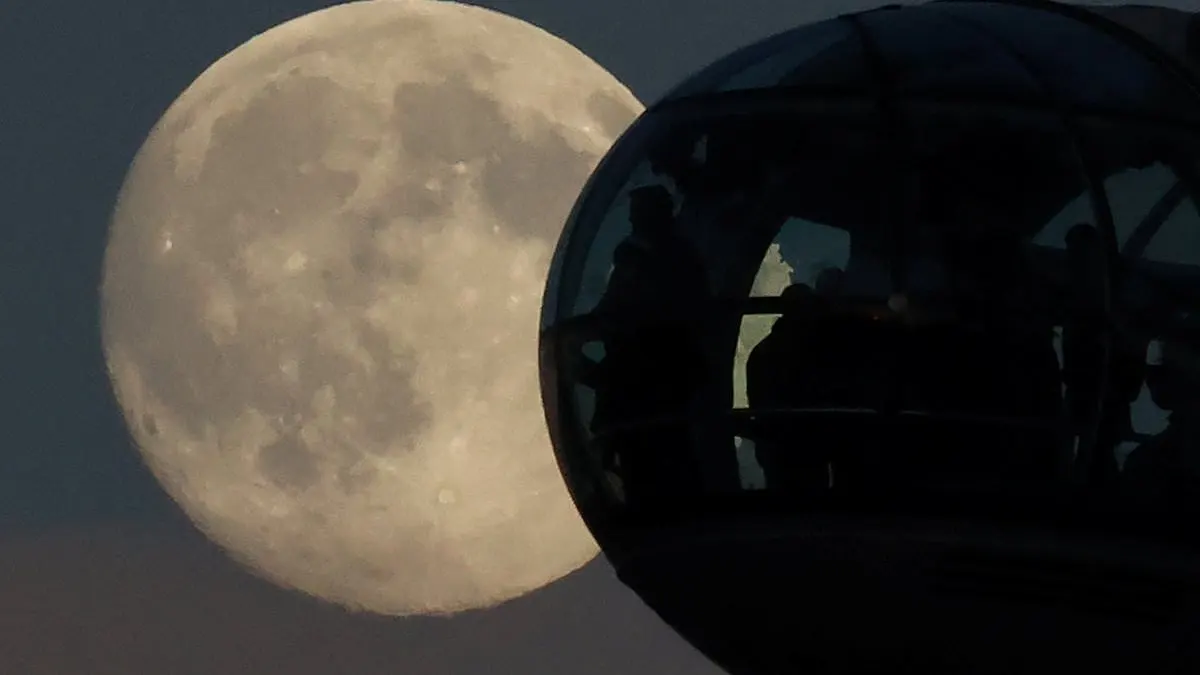
November’s full Beaver Moon is expected to appear over Britain tonight as a supermoon, when a full moon coincides with the Moon’s closest approach to Earth. It may look up to 14 per cent larger and 30 per cent brighter than an average full moon, with the rising Moon offering the best chance to see and photograph it.
The Moon reaches peak illumination at 2.53pm, but viewing is best after sunset; eastern England is forecast to have the clearest skies, while cloud and rain may obscure it elsewhere. This is the first of four consecutive monthly supermoons, followed by the Cold Moon on 24 December, the Wolf Moon on 22 January and the Snow Moon on 20 February.
In short
- The Beaver Moon is the first of four monthly supermoons.
- It may appear up to 14 per cent larger and 30 per cent brighter.
- Eastern England has the best forecast for viewing tonight.
Explained simply
A supermoon happens when a full moon occurs while the Moon is near its closest point to Earth in its monthly orbit. It can appear larger and brighter than a typical full moon, though the difference may be subtle to the eye.
The Moon’s orbit is oval, so its distance from Earth changes over the month. “Beaver Moon” is a traditional name for November’s full moon; names such as Cold, Wolf and Snow Moon are also used for full moons in other months.
Read the full article at the source →
Originally published by Daily Mail as “Look up tonight for something super! The first of four consecutive supermoons will light up skies – as our lunar satellite appears 30% brighter and 14% larger than usual”.