Technology news and discussion on TalkFuse.
Disturbing sci-fi theory humans will live up to 1,400 years thanks to AI tech
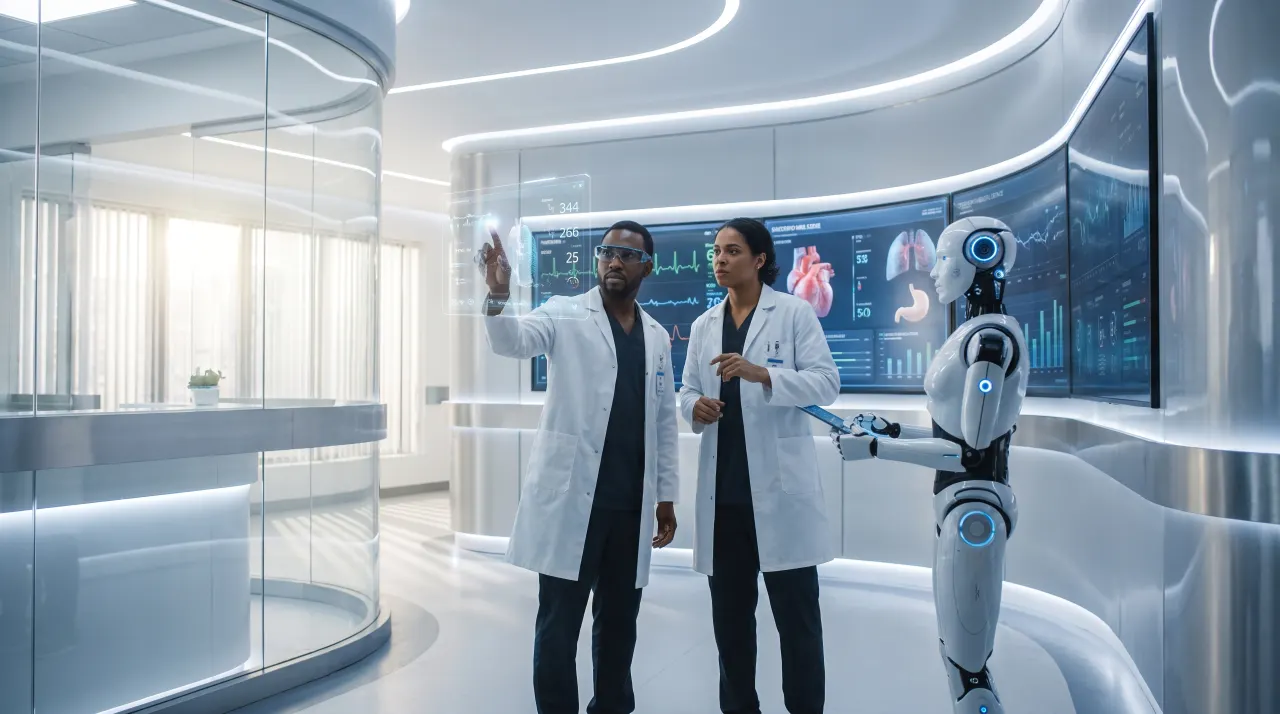
AI researcher Nick Bostrom argues that artificial intelligence could help biomedical science develop treatments that greatly slow or reverse ageing, potentially allowing people to live for 1,200 to 1,400 years. His claim matters because it supports developing advanced AI quickly, despite concerns that powerful systems could pose existential risks.
Bostrom called 1,400 years a conservative estimate, based on reducing healthy young adults’ annual risk of dying to 0.07 per cent. He pointed to AI-assisted, personalised cancer treatment as an early sign of progress, while offering no timeline for achieving radical life extension. His view contrasts with warnings from other researchers, who say AI development is moving faster than safety measures.
In short
- Bostrom says AI could help humans live for up to 1,400 years.
- He links the estimate to future anti-ageing and rejuvenation treatments.
- Other researchers warn that advanced AI could bring existential risks.
Steelman: both sides, in good faith
The strongest fair case each way — we don't pick a winner.
The case for
If AI can accelerate biomedical research, it could help uncover ways to prevent or treat age-related diseases and extend healthy life. Supporters may argue that the possibility of much longer lives is a powerful reason to pursue the research, provided risks are managed, and that personalised cancer treatment offers an early indication of AI’s medical potential.
The case against
A speculative prospect of radical life extension does not establish that it is achievable, when it might arrive, or that accelerating advanced AI is worth the risks. Critics may argue that powerful systems could create serious harms before safeguards catch up, and that uncertain future medical benefits are not enough to justify moving faster than safety measures.