Culture news and discussion on TalkFuse.
3 popular Thanksgiving food myths debunked by experts — including the ‘turkey coma’
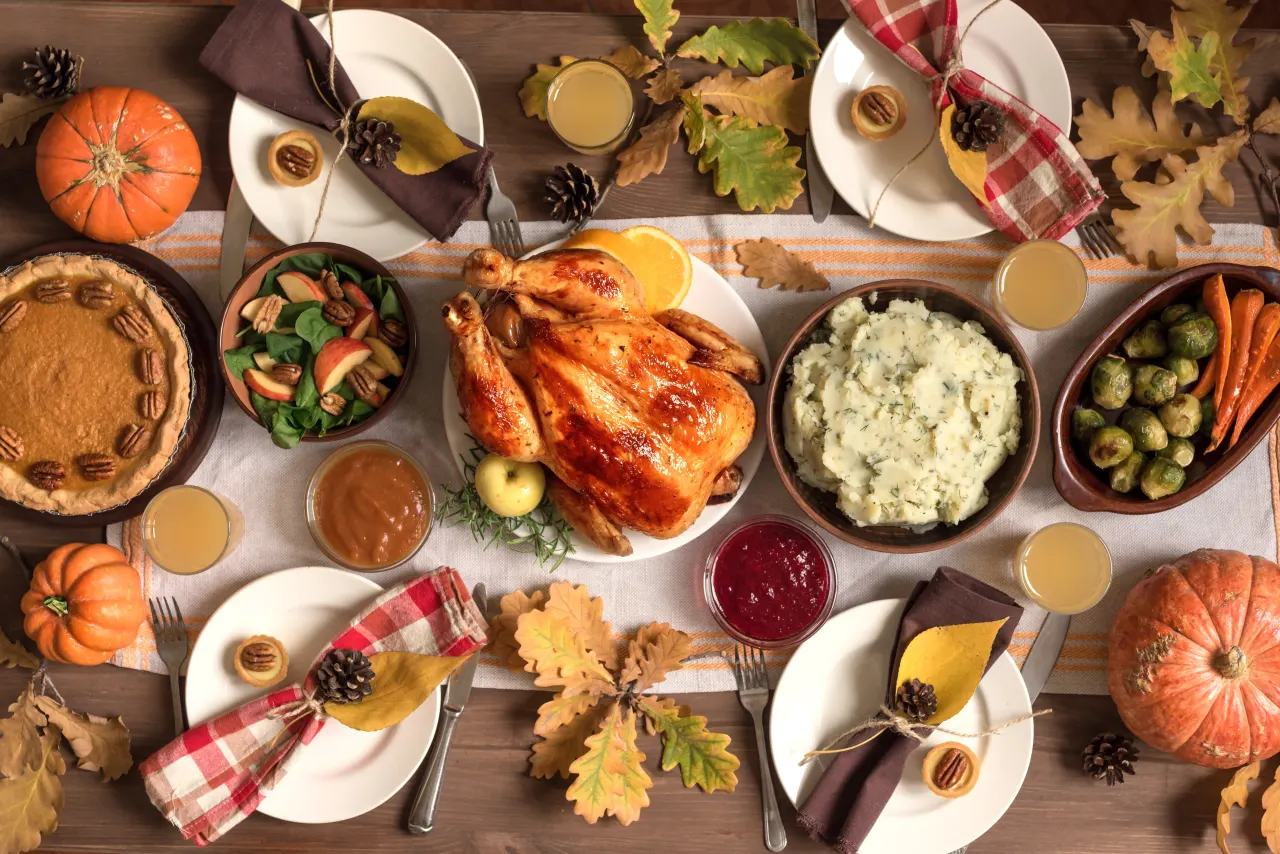
Experts say the familiar “turkey coma” is not caused by the tryptophan in turkey, and that several other assumptions about Thanksgiving food also deserve a closer look. Historical evidence suggests turkey may have been served at the 1621 gathering, but today’s traditional menu does not closely match what is known about that meal.
The only surviving account says the Wampanoag provided five deer and the Pilgrims hunted enough fowl to feed their colony for nearly a week; turkey is plausible, but not named. The meal likely included seafood, squash and nasaump, while potatoes and sweetened cranberry sauce were absent. Nutrition experts attribute post-meal tiredness more to large portions and carbohydrate-related blood sugar changes, and advise eating a light breakfast and staying hydrated rather than skipping meals.
In short
- Turkey’s tryptophan is not enough to cause a “turkey coma”.
- The 1621 menu likely included deer, fowl, seafood and squash.
- Experts differ on the best way to handle Thanksgiving leftovers.
Explained simply
Thanksgiving is a US holiday centred on a family meal, often featuring roast turkey and familiar side dishes. Its story is linked to a 1621 gathering between English colonists at Plymouth and Wampanoag people, though the surviving account gives only a partial picture of what was eaten.
That account mentions deer and fowl, but does not name turkey. Seafood, squash and nasaump, a dish made with corn, may also have been served; potatoes and sweetened cranberry sauce were not part of the meal as it is commonly served today.
Tryptophan is found in turkey, but experts say it does not by itself explain why people feel sleepy after the meal. Large portions and changes in blood sugar after eating carbohydrates may contribute, while eating breakfast and drinking enough water can help people avoid arriving at the table overly hungry or thirsty.