Politics news and discussion on TalkFuse.
Mike DeWine Signs Bill Ending Red Tape On Gun Suppressors In Ohio
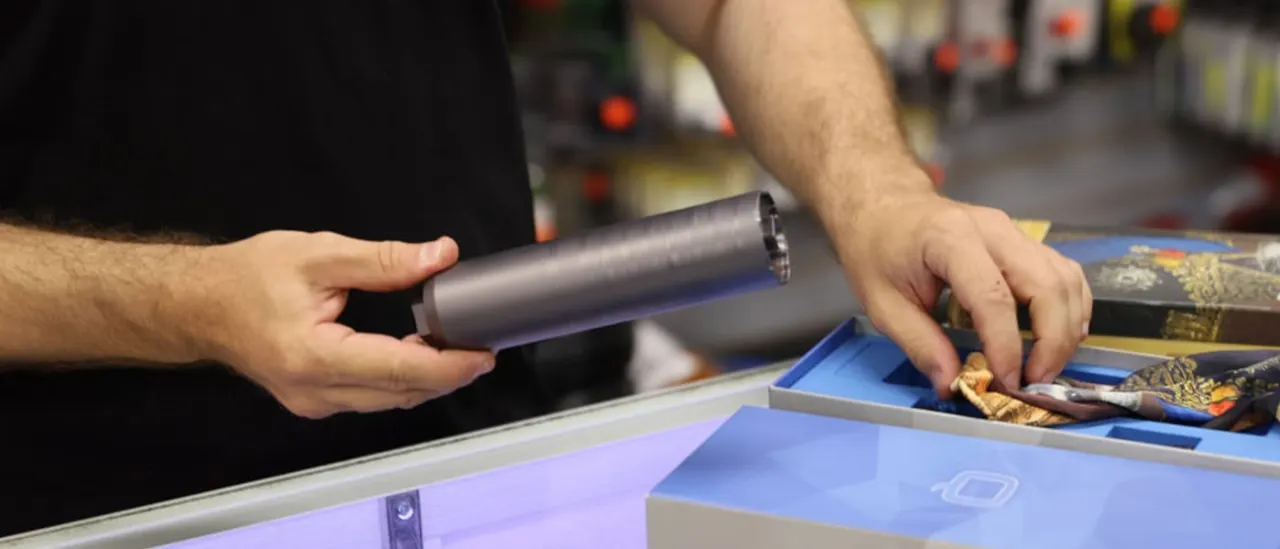
Ohio Governor Mike DeWine has signed Senate Bill 214, removing state restrictions on suppressors, short-barrel firearms and other items covered by the National Firearms Act. The change matters because federal guidance had left state and local rules in place, so Ohio’s law continued to impose restrictions.
The article says the bill initially covered suppressors, but lobbying by Gun Owners of America helped extend it to short-barrel firearms. It follows an August ruling by a federal judge in Texas that found NFA registration and processing requirements unconstitutional after a 2025 law reduced the transfer tax to zero; the ATF issued implementation guidance in October.
In short
- Ohio has removed state restrictions on suppressors and short-barrel firearms.
- Senate Bill 214 expanded beyond suppressors after lobbying.
- The change follows a federal ruling and ATF guidance.
Steelman: both sides, in good faith
The strongest fair case each way — we don't pick a winner.
The case for
Supporters argue that Ohio should not impose extra restrictions on items that federal law already regulates, particularly after a federal court questioned the NFA’s registration and processing requirements. They see the change as reducing unnecessary burdens on lawful owners and respecting individual liberty, while bringing state rules into line with the changed federal landscape.
The case against
Opponents can argue that federal regulation and state restrictions serve different purposes, and that Ohio should retain safeguards for potentially dangerous weapons even if federal requirements have weakened. They may also question whether a court ruling and reduced transfer tax justify removing state rules, especially without a fuller assessment of public-safety effects.
Explained simply
Suppressors are devices attached to firearms to reduce the sound of a shot; they do not make a firearm silent. Short-barrel firearms are guns with barrels below lengths set in federal law. Both are among the items covered by the National Firearms Act, a US law that has regulated certain firearms and related equipment through federal registration and transfer rules.
The rules involve both federal and state law. A federal judge in Texas recently questioned the constitutionality of some federal registration and processing requirements after a change reduced the transfer tax to zero, while federal guidance left state and local restrictions in place. Ohio’s law matters because it changes the state rules for these items, which had continued to apply despite the federal developments.