Culture news and discussion on TalkFuse.
California’s restaurant apocalypse is raging — while politicians cheer on their competition
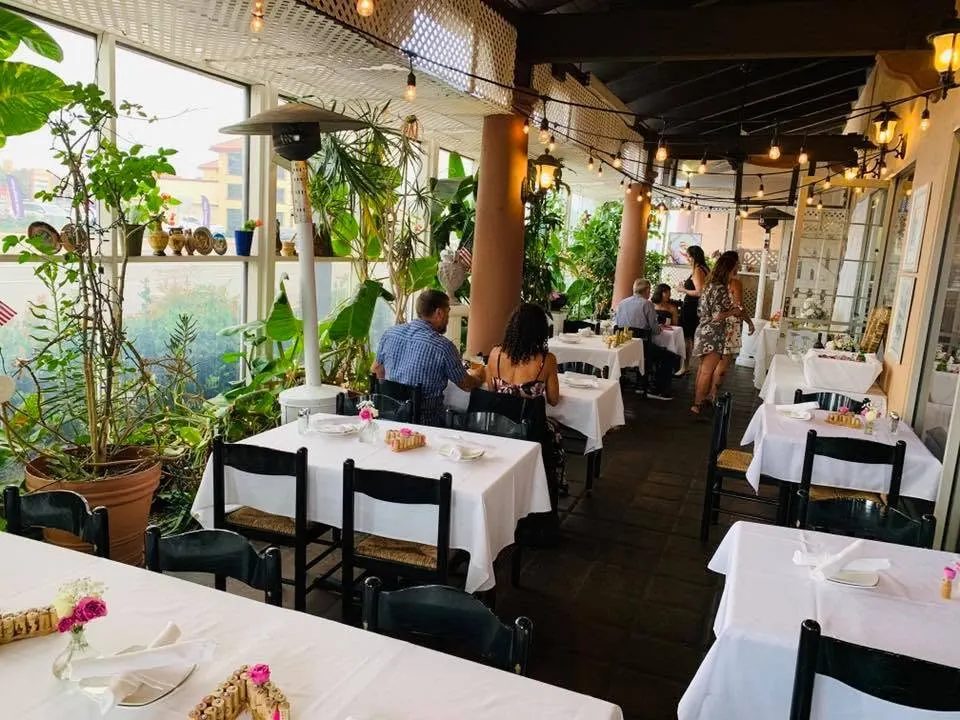
Georgia’s Greek Cuisine, a San Diego restaurant that had served customers for 50 years, is closing after losing its lease. The article presents the closure as part of a wider wave of restaurant shutdowns in California and argues that elected leaders should do more to support established restaurants.
It says more than 300 restaurants have closed in Los Angeles alone this year, with frequent closures also reported elsewhere in the state. The opinion piece cites tight margins, taxes, regulations, union-related costs, natural disasters and road construction as pressures on businesses, and criticises elected officials for supporting street vendors who it says face fewer costs and rules.
In short
- San Diego’s Georgia’s Greek Cuisine is closing after 50 years.
- The article says more than 300 Los Angeles restaurants have shut this year.
- It argues California’s costs and policies are adding pressure on restaurants.
Steelman: both sides, in good faith
The strongest fair case each way — we don't pick a winner.
The case for
Long-established restaurants can be important local institutions and employers, yet tight margins leave them vulnerable to rising costs, regulation, construction disruption and other pressures. Supporters of stronger assistance argue that elected leaders should review those burdens and help established businesses adapt, while applying rules fairly across the food sector.
The case against
Restaurant closures can reflect many causes, including lease decisions and changing consumer habits, so a reported wave does not by itself show that government policy is chiefly responsible. Officials may reasonably support street vendors as a source of affordable food and livelihoods, while maintaining that proportionate standards protect workers, customers and fair competition.
Explained simply
Georgia’s Greek Cuisine was a family restaurant in San Diego that had been open for 50 years. Its closure follows the loss of its lease, while many other restaurants in California have also shut this year.
Restaurants often operate on tight margins, so costs such as rent, taxes, staffing and building work can affect whether they stay open. The debate also involves street vendors, whose businesses may face different costs and rules, and the role elected officials should play in supporting food businesses.