Politics news and discussion on TalkFuse.
Number of Britons who think the government is handling Brexit well soars after Burnham’s EU deal
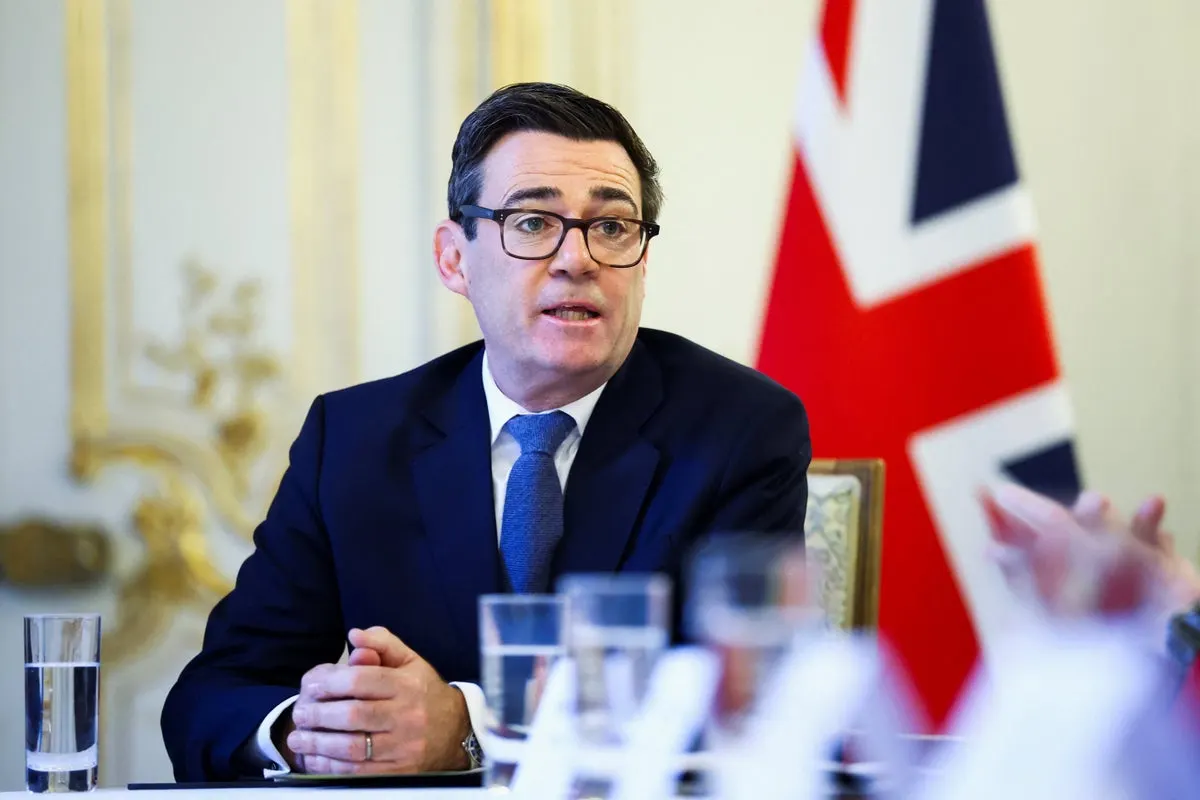
The proportion of Britons who say the government is handling Brexit well rose after the prime minister agreed a new deal with the EU, offering a boost to Andy Burnham. The agreement includes plans for a youth mobility scheme and to end food and drink checks at the border, and is estimated in the article to provide a £17bn boost to the UK economy.
YouGov found that 30 per cent of people now think Brexit is being handled well, up from 24 per cent a week earlier and the highest level since May 2022. Among Remain voters, the figure rose from 37 to 51 per cent, while 74 per cent of Leave voters said the issue was being handled badly, up from 69 per cent. The prime minister has said the UK and EU will informally explore options for their long-term relationship; Burnham has ruled out major changes before the next election, while former prime ministers have cautioned against reopening the question of EU membership.
In short
- Approval of the government’s Brexit handling rose six points in a week.
- 51 per cent of Remain voters now say it is being handled well.
- Most Leave voters remain negative about the government’s approach.
Steelman: both sides, in good faith
The strongest fair case each way — we don't pick a winner.
The case for
Supporters could argue that practical agreements with the EU can ease trade frictions, expand opportunities for young people and support economic growth without reopening the question of membership. The poll suggests the deal has improved some voters’ confidence, and incremental cooperation may offer benefits while respecting the decision to leave.
The case against
Critics could argue that the deal’s benefits are uncertain and may come with obligations or compromises that deserve scrutiny, especially if closer cooperation grows over time. With most Leave voters still saying Brexit is being handled badly, they may see the agreement as insufficient or worry that changes to the relationship could blur the choice made in the referendum.
Elections Europe Government Politics World