Politics news and discussion on TalkFuse.
Colombia’s bitter peace with the FARC, 10 years after historic deal
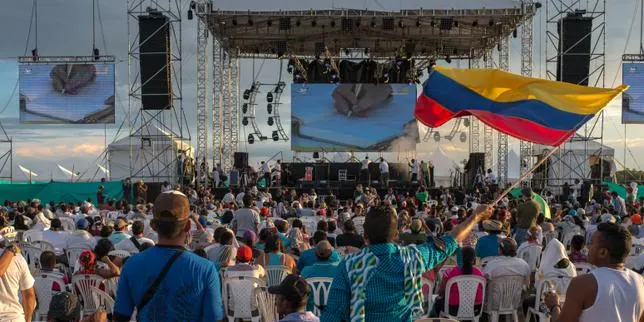
Colombia’s 2016 peace agreement with the FARC was intended to end more than five decades of conflict and set out reforms to address its causes, including land redistribution, rural development and support for former fighters returning to civilian life. Ten years on, the anniversary is marked by concern that implementation has fallen short while armed groups have expanded their influence and violence has risen.
About 14,000 FARC members chose to disarm, surrendering roughly 9,000 weapons, 1.8 million rounds of ammunition and 38 tonnes of explosives, according to the UN. Successive governments have implemented the agreement unevenly; the current far-right government has cut budgets for key programmes, while more than 11,000 former combatants remain in reintegration schemes. The article says 521 signatories have been killed since 2016, and Colombia’s Constitutional Court has ordered the government to report on steps taken to meet its obligations.
In short
- Colombia’s 2016 FARC accord aimed to end decades of conflict.
- A decade later, violence and armed groups remain concerns.
- Budget cuts threaten programmes supporting victims and former fighters.
Steelman: both sides, in good faith
The strongest fair case each way — we don't pick a winner.
The case for
The 2016 agreement offered a way to end a decades-long war while addressing the rural inequality and exclusion that helped sustain it. The disarmament of thousands of FARC members created an opportunity to reduce violence, and continued investment in land reform, rural development and reintegration could help prevent renewed conflict and honour commitments made to former fighters.
The case against
A peace deal cannot by itself resolve the security and governance problems that fuel armed violence, and its promises may be difficult to deliver amid limited resources and persistent insecurity. Critics could argue that uneven implementation and continued support for former combatants risk weakening public confidence if communities see little improvement in safety or daily life.
Explained simply
The FARC was a Marxist guerrilla movement that fought Colombia’s government for more than five decades. The conflict involved other armed groups too, and was rooted partly in disputes over land and inequality in rural areas.
In 2016, the government and the FARC signed an agreement to end their war. It included plans for rural development and land reform, as well as help for former fighters to return to civilian life.
The agreement matters because disarming the FARC was only one part of the effort to build lasting peace. Its promises affect rural communities and former combatants, while Colombia continues to face violence from armed groups.