World news and discussion on TalkFuse.
Ukrainian drones reportedly strike 2 Russian oil refineries in massive attack
Developed over time first seen 1 day ago
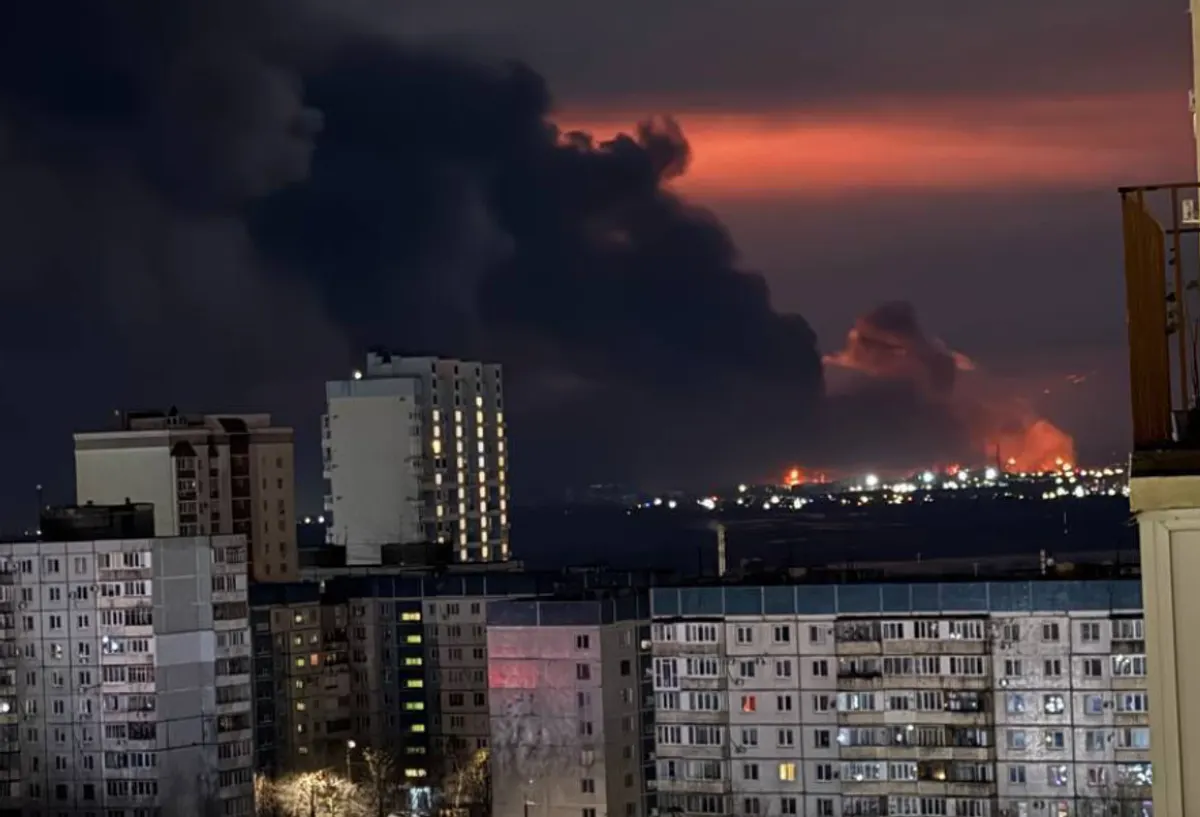
Ukrainian forces struck the Syzran and Kuibyshev oil refineries in Russia’s Samara Oblast overnight on 25 November, Ukraine’s General Staff confirmed. The strikes caused fires at both sites and form part of Ukraine’s stated effort to weaken Russia’s ability to sustain its war.
The General Staff said the Kuibyshev refinery sustained damage to several oil-processing units and two storage tanks. At Syzran, preliminary reports identified damage to multiple processing and treatment units, as well as two storage tanks. The refineries are about 100 kilometres apart and roughly 800 kilometres from Ukraine’s border; the operation was coordinated with the “Black Spark” resistance movement, according to the General Staff.
- Sources
- 2
- Outlets
- 2
- Left · Centre · Right
- 0 · 0 · 0
In short
- Ukraine confirmed strikes on two Samara oil refineries.
- Fires broke out at both facilities.
- The sites are about 800 kilometres from Ukraine’s border.
How this story developed
- 19 hours ago Fresh monitoring reports say Ukrainian drones struck the Syzran and Kuibyshev oil refineries in Russia’s Samara Oblast overnight on 25 November, with fires reported at both sites.
- 1 day ago Ukrainian forces reportedly struck the Syzran and Kuibyshev oil refineries in Russia’s Samara Oblast overnight on 25 November, with fires reported near both sites.
- 1 day ago Ukrainian forces struck the Syzran and Kuibyshev oil refineries in Russia’s Samara Oblast overnight on 25 November, Ukraine’s General Staff confirmed.
Full account
Ukraine reportedly carried out an overnight drone attack on two oil refineries in Russia’s Samara region on 25 November. Ukrainian monitoring channels named the Syzran and Kuibyshev refineries and circulated footage said to show fires at both sites. The reports have not been independently verified in the accounts provided.
The facilities are around 100 kilometres apart and roughly 800 kilometres from Ukraine’s border with Russia. The reports describe air-raid sirens and air-defence activity during the attack. Samara Governor Vyacheslav Fedorishchev said Russian forces had shot down more than 145 drones overnight. He also reported one death and power cuts in some areas, but did not specify where the outages occurred.
Fedorishchev warned residents against publishing photographs or videos, saying publication was banned. His statement did not identify the refineries as targets. The attribution to the Syzran and Kuibyshev plants came from Ukrainian monitoring channels, which also shared images of fires they said followed the strikes.
Both refineries have reportedly been attacked before. The Kuibyshev plant, owned by Rosneft, stopped operating in June after damage and fires, according to one report; the Syzran refinery, also part of Rosneft, was targeted in September. The accounts place the latest strikes amid Ukraine’s wider campaign against targets deep inside Russia, which Kyiv says is intended to weaken Moscow’s capacity to wage war.
Where outlets differ
From the full account, which is AI-written from the sources:
The first report focuses on the alleged refinery strikes and their distance from Ukraine, and mentions other recent reported Ukrainian attacks. The second leads with the governor’s account of the wider drone attack, including his claims of one death, more than 145 drones downed and local power cuts.
The first report describes fires at both refinery sites based on monitoring-channel and eyewitness material. The second attributes the refinery identifications and fire footage to Ukrainian monitoring channels, while separately reporting the governor’s statements; it does not say that he confirmed either refinery was hit.
Steelman: both sides, in good faith
The strongest fair case each way — we don't pick a winner.
The case for
A Ukrainian advocate could argue that striking refineries helps reduce the fuel and revenue available to sustain Russia’s invasion, and that Ukraine has a legitimate right to weaken the military capacity being used against it. Attacks on facilities far from the front may also signal that Russia cannot assume its rear areas are beyond reach, potentially raising the cost of continuing the war.
The case against
A critic could argue that attacks on energy infrastructure risk harming nearby civilians, disrupting essential supplies and widening the conflict without reliably changing Russia’s ability to wage war. Even when framed as military pressure, such strikes can invite retaliation and make a negotiated end harder, so their military value should be weighed against civilian risk and escalation.
Explained simply
Russia’s invasion of Ukraine began in 2022 and has since included fighting far from the front line. Both countries use drones and other weapons to strike military and infrastructure targets across a wide area.
Oil refineries turn crude oil into fuels and other products used by transport, industry and the armed forces. Syzran and Kuibyshev are in Russia’s Samara Oblast, around 800 kilometres from Ukraine’s border.
Ukraine has said that strikes inside Russia are intended to limit Moscow’s ability to sustain the war. Such attacks can also disrupt local infrastructure, while raising questions about air defence and the conflict’s reach.
Coverage · 2 sources
Europe Russia-Ukraine War World