Business news and discussion on TalkFuse.
Fears for Aussie mortgage holders with a sixth interest rate hike back on the table as inflation nears 5 per cent
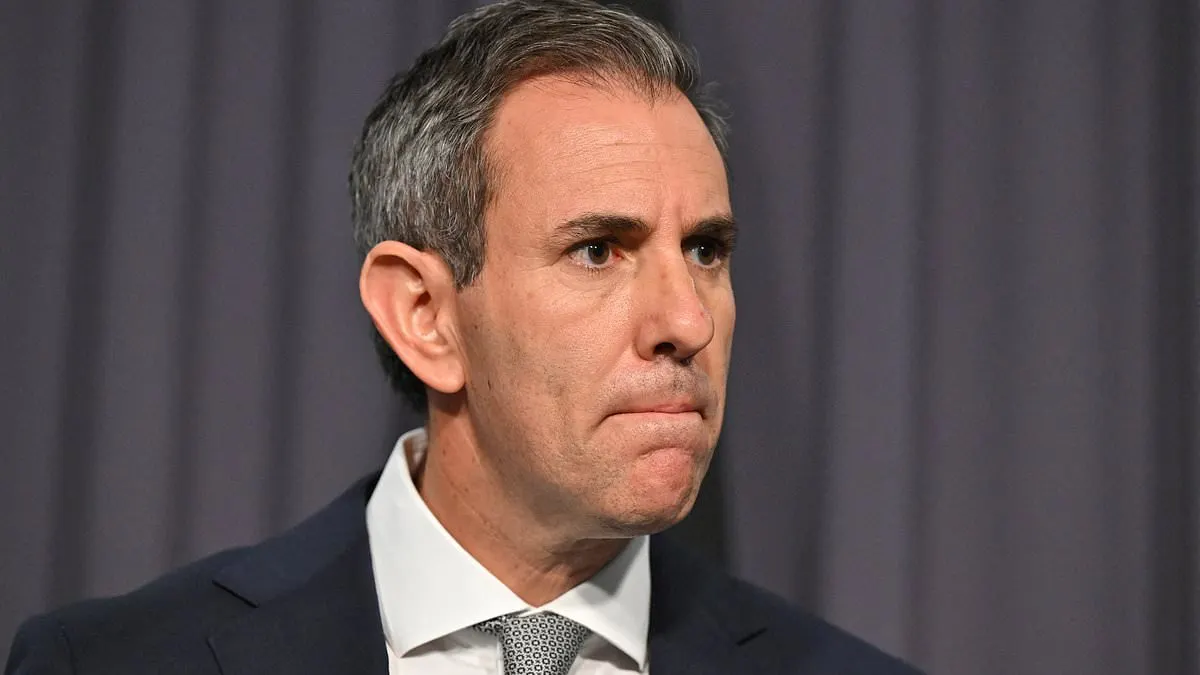
Australia’s annual inflation rate rose to 4.9 per cent in October, a three-year high, prompting concern that the Reserve Bank could raise interest rates again at its December meeting. Canstar estimates that 38 per cent of mortgage holders would struggle with the repayments if there were a sixth increase, adding pressure to household budgets.
A 0.25 percentage-point rise could add about A$93 a month for someone who began the year owing A$600,000 with 25 years left on their mortgage. Canstar says 10 per cent of borrowers would be unable to meet the higher repayments and 28 per cent would struggle. The RBA may wait for five previous rate rises to take effect and assess planned government spending cuts before deciding what to do.
In short
- Inflation reached 4.9 per cent in October.
- A sixth rate rise could add A$93 monthly to some repayments.
- Canstar says 38 per cent of borrowers would struggle.
Steelman: both sides, in good faith
The strongest fair case each way — we don't pick a winner.
The case for
A further rate rise could help bring inflation under control and protect households’ purchasing power over time. If price pressures remain high, delaying action may make inflation harder to contain and require sharper increases later; the Reserve Bank may also want to signal that it is committed to its inflation target.
The case against
Another rise would add to mortgage costs when many borrowers are already struggling, with knock-on effects for household spending and financial security. The Reserve Bank could wait to see how earlier increases and planned government spending cuts affect inflation, reducing the risk of tightening too far and weakening the economy unnecessarily.
Explained simply
The Reserve Bank of Australia (RBA) sets the country’s official interest rate, which influences the rates banks charge borrowers. Higher rates can help slow inflation by reducing spending, but they also increase repayments for many people with mortgages.
Australian mortgage holders often have loans with repayments that change when interest rates move. The size of the effect depends on how much someone owes, their loan terms and the rate charged by their lender.
Inflation measures how quickly prices rise across the economy. The RBA weighs inflation alongside household pressures and other economic factors when deciding whether to change interest rates.