Politics news and discussion on TalkFuse.
A cover up led me to lie to MPs about nuclear veterans. The truth must now come out
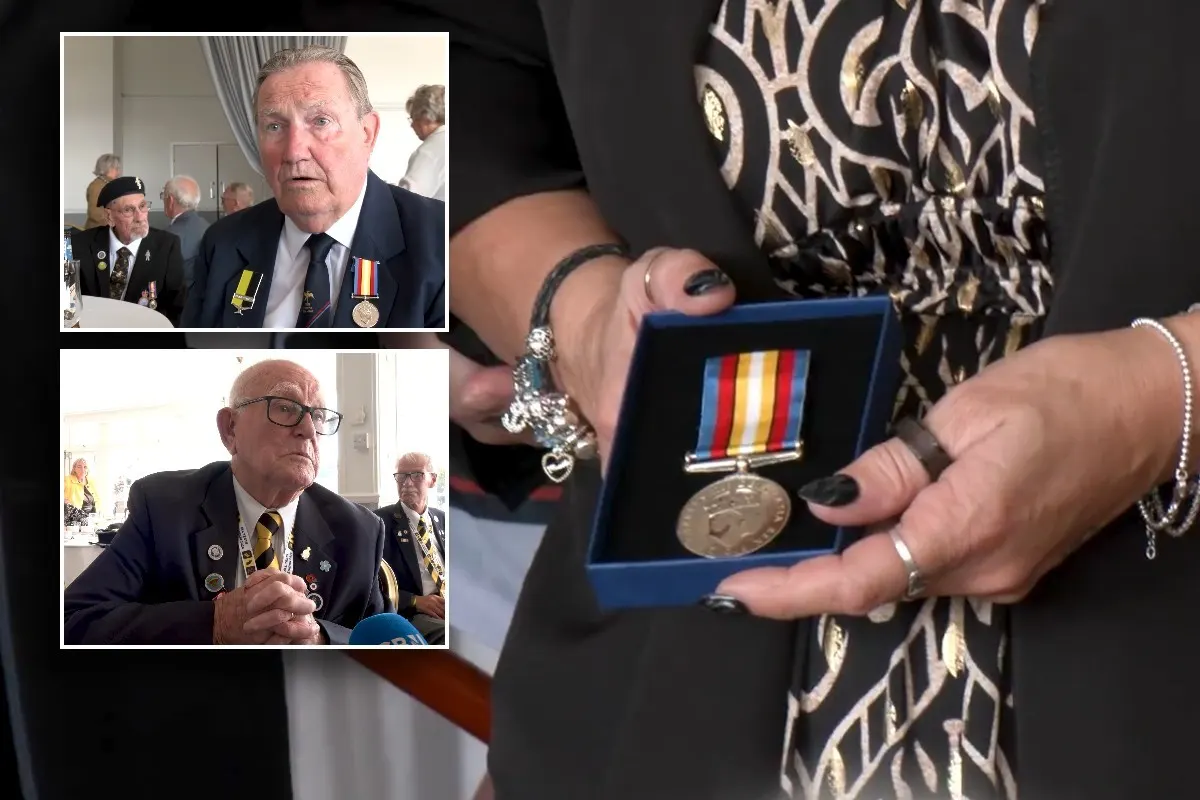
Former defence minister Tobias Ellwood says he unknowingly misled MPs in 2018 when he repeated the Ministry of Defence’s claim that it could not find evidence of blood testing during Britain’s nuclear tests. A newly announced independent panel will investigate the treatment of nuclear test veterans and their families, but Ellwood argues that steps to address known failures should begin now.
More than 20,000 British personnel took part in Cold War nuclear tests, and many later developed serious illnesses; some families suspect effects on later generations. During legal action in 2007, the Atomic Weapons Establishment assembled the MERLIN archive of more than 28,000 documents, but veterans’ lawyers had little practical access to it. Ellwood calls for an apology, access to surviving individual medical records with privacy protections, and immediate work on a dedicated support scheme.
In short
- Ellwood says he unknowingly misled MPs about blood testing.
- An independent panel will examine veterans’ treatment and records.
- He urges an apology and action alongside the inquiry.
Steelman: both sides, in good faith
The strongest fair case each way — we don't pick a winner.
The case for
Veterans and their families have waited decades for answers, and the existence of a large archive makes it reasonable to question whether earlier official assurances were adequately grounded. Ellwood’s case is that an inquiry should not delay practical steps: an apology, carefully protected access to medical records and work on support could address acknowledged failures while the evidence is examined.
The case against
A newly announced independent panel could provide a more reliable account by examining the archive, medical evidence and veterans’ experiences before the government decides what further action is justified. On this view, immediate commitments to a dedicated support scheme or conclusions about past official conduct risk getting ahead of the findings, while privacy and fairness require careful handling of individual records.
Explained simply
Britain carried out nuclear weapons tests during the Cold War, involving more than 20,000 service personnel. Many veterans later developed serious illnesses, and some families have questioned whether health effects could have passed to later generations; the causes and extent of any links remain contested.
The Ministry of Defence has said it could not find evidence that veterans’ blood was tested during the tests. A large archive of documents was assembled by the Atomic Weapons Establishment during a legal case in 2007, but veterans’ lawyers had limited practical access to it.
The dispute concerns what records exist, how they should be examined and what support veterans and their families should receive. An independent panel is due to investigate their treatment, alongside calls for an apology, privacy-protected access to surviving medical records and a dedicated support scheme.