World news and discussion on TalkFuse.
Labour MPs demand Burnham avoid making any benefits cuts as they claim clamour to trim welfare bill is an exaggerated ‘moral panic’
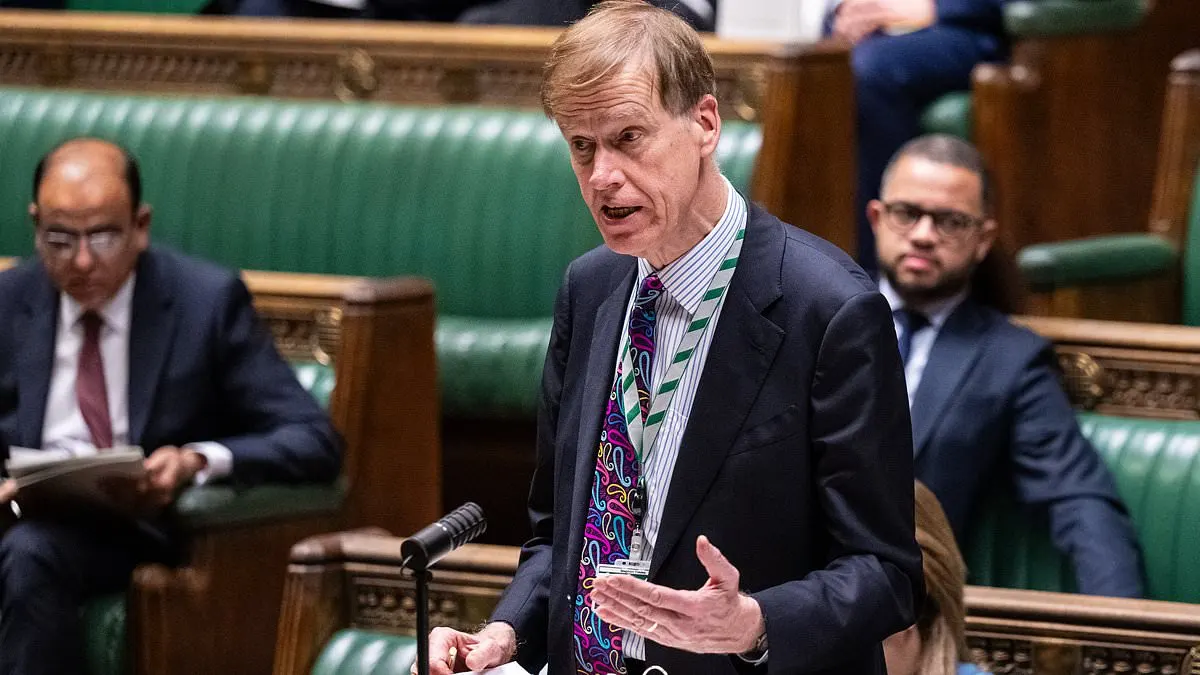
Labour backbenchers have urged ministers not to cut disability benefits, arguing that pressure to reduce welfare spending risks becoming an exaggerated “moral panic”. The debate follows two reviews offering sharply different approaches, as the Government faces scrutiny over the rising cost of benefits.
Former minister Alan Milburn recommended tightening eligibility for some young people to encourage employment, while Work and Pensions Minister Sir Stephen Timms’s review called for a simpler, more accessible Personal Independence Payment system. It said PIP should remain an unconditional cash benefit and recommended ending repeat assessments for people with the most serious conditions. Around four million people receive up to £194.60 a week, and working-age disability benefit spending is projected to reach £34.6 billion by 2032.
In short
- Labour MPs warn against disability benefit cuts.
- Milburn and Timms reviews propose contrasting changes.
- PIP spending is projected to reach £34.6bn by 2032.
Steelman: both sides, in good faith
The strongest fair case each way — we don't pick a winner.
The case for
Those urging restraint argue that disability benefits help meet additional costs people face because of serious or lasting conditions, and that restricting eligibility or making recipients undergo repeated assessments could cause hardship without improving employment prospects. They see Timms’s proposals for a simpler PIP system and fewer reassessments for people with the most serious conditions as a fairer way to support claimants while addressing problems in how the system works.
The case against
Those favouring tighter eligibility argue that projected spending growth makes it necessary to check whether support is reaching those who need it most and whether the system helps people who can work to do so. They may see Milburn’s proposals for some young people as a way to focus limited public funds and improve employment prospects, while recognising that changes should not deny support to people whose conditions create substantial needs.
Explained simply
Personal Independence Payment, or PIP, is a benefit for people whose disability or long-term health condition makes daily life or getting around harder. It is paid in cash and does not depend on whether someone is in work; around four million people receive it.
The Government is considering how the system should work as spending on working-age disability benefits is forecast to rise. Former minister Alan Milburn proposed stricter eligibility for some young people, while Work and Pensions Minister Sir Stephen Timms’s review recommended making PIP simpler to access and ending repeat assessments for people with the most serious conditions. The debate is about how to support disabled people while managing the cost of benefits.