World news and discussion on TalkFuse.
Dinorah Figuera, negotiator of the transition in Venezuela: ‘This is not a romantic table’
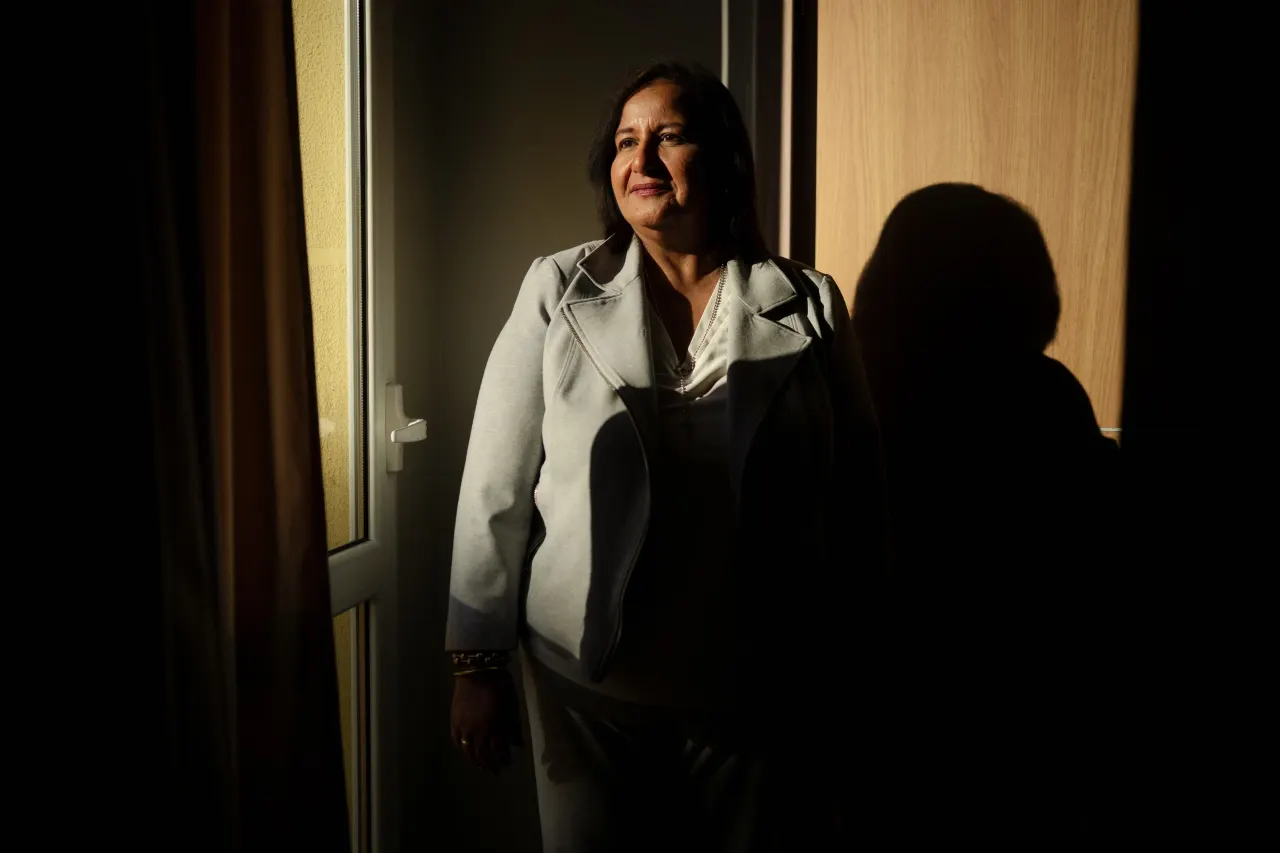
Dinorah Figuera, an opposition negotiator in Venezuela, says talks with the Chavista government are difficult and shaped by an unequal balance of power. She is seeking institutional changes and civil and political guarantees before elections, in a process that gained momentum after former president Nicolás Maduro was captured on 3 January.
Figuera, 65, returned from eight years in exile in Spain and has led the opposition effort since August, with US support. After four rounds of talks, the Supreme Court has been only partly renewed and the electoral authority remains unchanged, though Figuera says media access and freedom of speech have improved. She says she has no electoral ambitions and describes the negotiations as a contest to secure positions, not a partnership between equals.
In short
- Figuera says Venezuela’s transition talks are difficult and unequal.
- Four rounds have brought limited institutional change.
- She reports some improvement in media access and free speech.
Steelman: both sides, in good faith
The strongest fair case each way — we don't pick a winner.
The case for
Negotiations offer a chance to secure institutional reforms and civil and political guarantees that could make future elections more credible and protect people’s rights. Even with an unequal balance of power and limited progress so far, continued talks may achieve practical improvements, including greater media access and freedom of speech.
The case against
Negotiating under an unequal balance of power may give the government room to make limited concessions while leaving key institutions, such as the electoral authority, unchanged. Without stronger guarantees or leverage, talks could lend legitimacy to a process that does not meaningfully improve the conditions for fair elections.
Explained simply
Venezuela has been governed for years by leaders from the Chavista movement, founded by former president Hugo Chávez and continued by Nicolás Maduro. The opposition is made up of groups that challenge that government and seek changes to how the country is run.
Dinorah Figuera is an opposition politician who spent eight years in exile in Spain before returning to Venezuela. In negotiations with the government, she is seeking changes to public institutions and guarantees for civil and political rights ahead of elections.
The talks matter because institutions such as the Supreme Court and electoral authority shape how elections are organised and how political disputes are handled. Any changes to them could affect the conditions under which government and opposition groups compete.