World news and discussion on TalkFuse.
Brazil permanently recalls its ambassador to Buenos Aires amid ongoing bilateral crisis
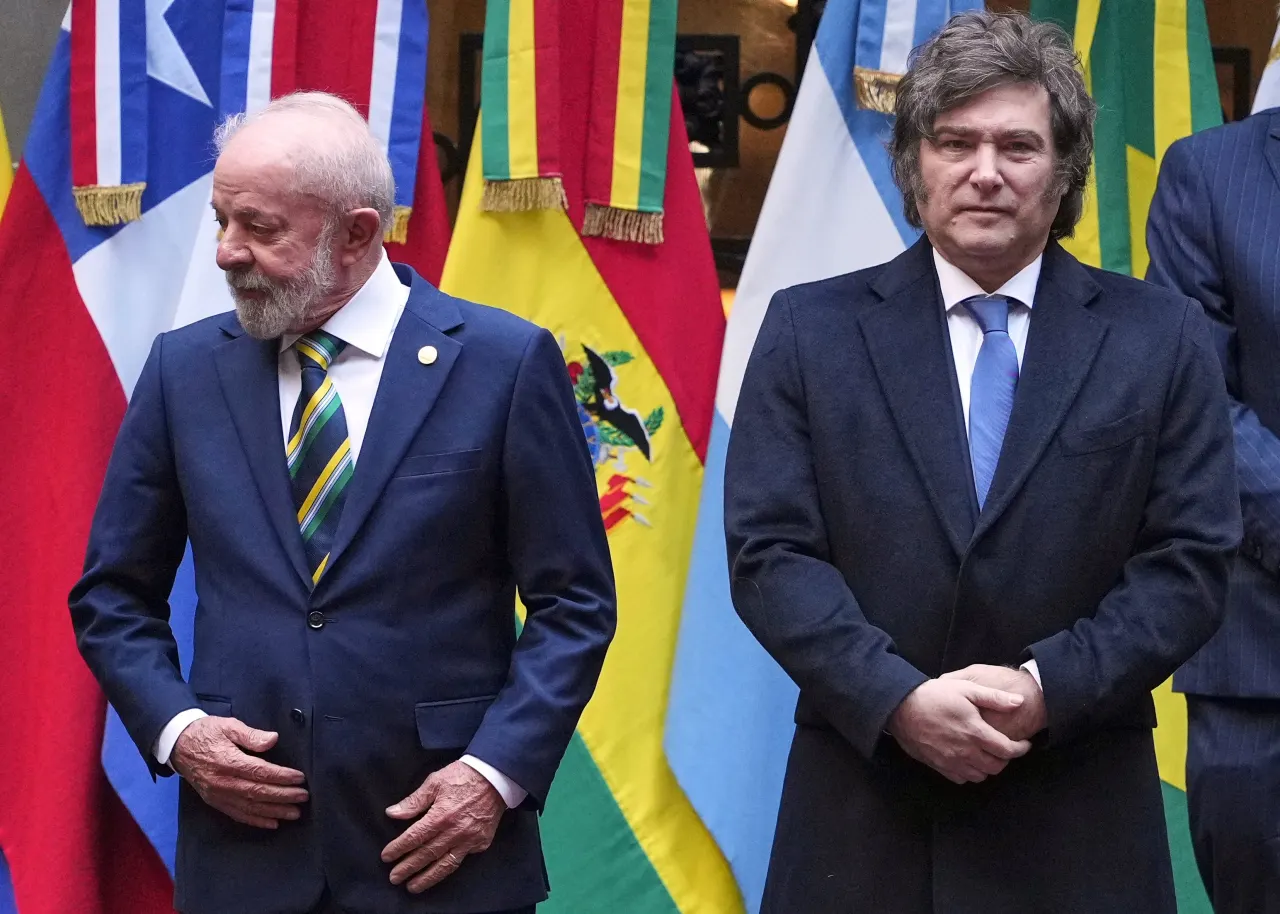
Brazil has decided to make its ambassador’s recall from Buenos Aires permanent, downgrading relations with Argentina amid a worsening diplomatic crisis. The move follows Argentine Foreign Minister Pablo Quirno’s unsupported doubts about Brazil’s recent presidential election, which Brazil sees as the latest in a series of attacks by President Javier Milei on President Luiz Inácio Lula da Silva.
Brazilian diplomatic sources say ambassador Julio Bittelli, recalled in July after Milei insulted Lula at a campaign event in Brazil, will not return to his post. Lula defeated Flávio Bolsonaro by four million votes, and Brazil’s Superior Electoral Court certified the result. The two presidents are due to attend next week’s Mercosur summit in Montevideo; a report also says Milei will not be invited to Lula’s inauguration on 5 January.
In short
- Brazil has made its ambassador’s recall from Argentina permanent.
- The decision follows Argentine doubts about Brazil’s election.
- Relations are at their worst point since both countries left dictatorship.
Steelman: both sides, in good faith
The strongest fair case each way — we don't pick a winner.
The case for
Brazil can argue that repeated personal attacks and unsupported doubts about a certified election undermine trust between governments, and that keeping its ambassador home is a proportionate way to signal that such conduct has consequences. A firmer diplomatic stance may also defend the legitimacy of Brazil’s institutions while leaving room for relations to improve if Argentina changes course.
The case against
Argentina can argue that permanently recalling an ambassador risks turning a dispute between leaders into lasting damage to cooperation between neighbouring countries. Maintaining diplomatic representation could preserve channels for dialogue on shared interests, including trade and Mercosur, while allowing Brazil to object to the remarks without further downgrading relations.
Explained simply
Brazil and Argentina are neighbouring countries with close trade ties and shared membership of Mercosur, a South American trade bloc. Their governments often work together, so tensions between their leaders can affect diplomacy and regional cooperation.
Brazil’s president is Luiz Inácio Lula da Silva, while Argentina’s president is Javier Milei. Brazil’s ambassador in Buenos Aires represents its government in Argentina; keeping the post vacant signals a lower level of diplomatic contact, though it does not end relations between the countries.
The dispute sits alongside disagreements between the two presidents and doubts voiced by Argentina’s foreign minister about Brazil’s election. Brazil’s electoral court certified Lula’s victory, and the strains matter because both countries are major regional economies whose cooperation shapes Mercosur.