Entertainment news and discussion on TalkFuse.
Iranian president’s women’s rights remarks criticised after singer reportedly flogged 74 times
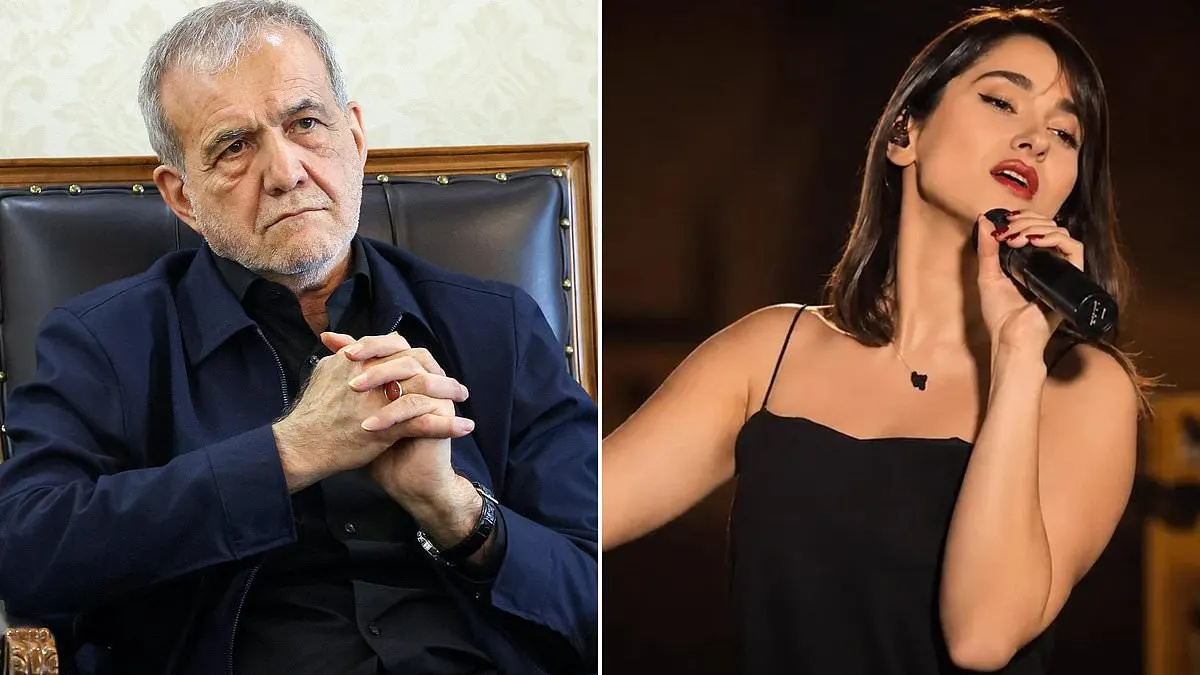
Iranian President Masoud Pezeshkian said the Prophet Muhammad opposed violence and discrimination against women, and that their rights and safety should be protected. The statement drew criticism because it came days after singer Parastoo Ahmadi was reportedly given 74 lashes for performing without a hijab, highlighting the gap between the president’s words and the treatment of women under Iran’s laws.
Women and girls in Iran face compulsory dress rules, restrictions on divorce and no specific laws criminalising domestic violence or marital rape, according to the article. A 2024 “hijab and chastity” law provides for fines, flogging and prison terms, though it has not been officially implemented. The article also recalls the 2022 protests after Mahsa Amini died in custody, and quotes activists who say women’s progress has come through defiance of the regime.
In short
- Pezeshkian praised women’s rights after a singer reportedly received 74 lashes.
- Iran enforces compulsory hijab rules and restricts women’s legal rights.
- Activists criticised the president’s statement as inconsistent with women’s experiences.
Steelman: both sides, in good faith
The strongest fair case each way — we don't pick a winner.
The case for
Pezeshkian’s remarks affirm a religious and moral basis for protecting women, and could be seen as a useful statement of principle from within Iran’s political system. Supporters might argue that publicly invoking the Prophet’s opposition to violence and discrimination can strengthen pressure for reform, even when the president has limited power over laws and enforcement.
The case against
Critics can reasonably see the remarks as hollow while women face compulsory dress rules and severe penalties, including the reported flogging of Parastoo Ahmadi. They may argue that statements of principle do little without changes to discriminatory laws and their enforcement, and that women’s rights gains have come chiefly through resistance by women and activists.
Explained simply
Iran is governed by a system in which the president shares power with religious authorities and other institutions. Laws and policies affecting women include compulsory rules on wearing the hijab, while the legal system also places restrictions on matters such as divorce.
In 2022, Mahsa Amini died in custody after being detained over alleged hijab-rule violations, prompting protests across the country. A 2024 law setting out penalties for breaches of dress rules has been passed but not officially brought into force.
Singer Parastoo Ahmadi’s reported punishment has renewed attention on how these rules are applied. The debate also reflects wider questions about women’s safety, legal rights and the relationship between official statements and state policy.
Entertainment Government Middle East Music Politics World
Read the full article at the source →
Originally published by Daily Mail as “Iran’s president says ‘Prophet of Islam was a champion in the fight against violence against women’ days after regime lashes singer 74 times for not wearing a hijab”.