Technology news and discussion on TalkFuse.
Nasdaq tumbles 4% as Nvidia leads AI sell-off, inflation and tariffs weigh on investors
Developing story first seen 1 hour ago
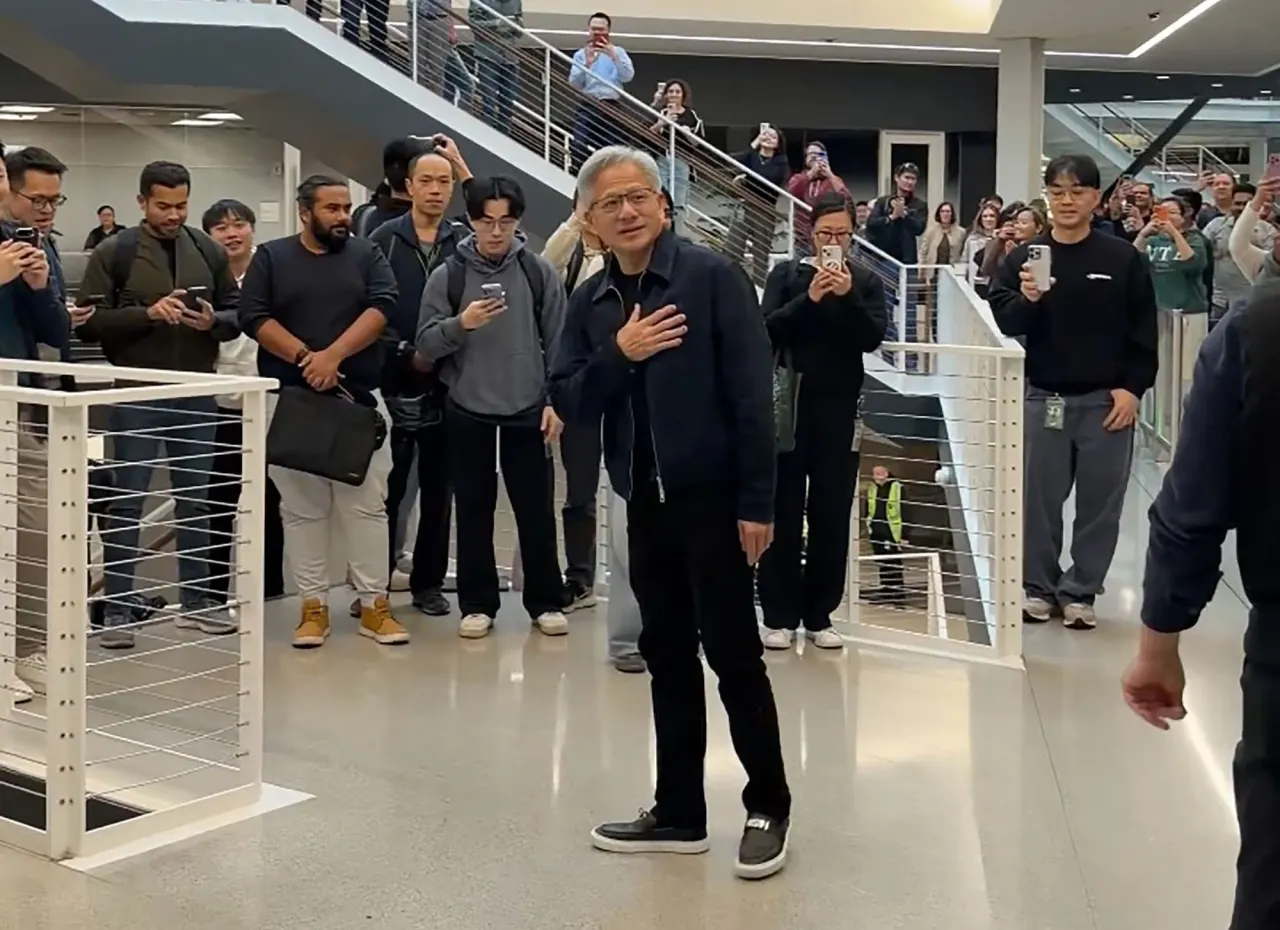
US technology shares fell sharply as renewed concern about the returns on heavy AI spending coincided with hotter inflation data and a proposed round of tariffs. The Nasdaq dropped 4.1% by about 11 a.m. ET, while the declines across major indices and chipmakers showed how investors were reassessing risks across the sector.
Nvidia fell 8.3%, and the S&P 500 slid 2.8% to 7,001.59; the Dow was down 793 points, or 1.6%. October’s preferred Federal Reserve inflation measure, PCE, rose to 3.8%, nearly twice the Fed’s target, while traders put the odds of a quarter-point rate rise in December at 94%. The administration’s proposed tariffs cover 14 trading partners, including China, Japan, India and the EU; analysts also pointed to continued uncertainty over AI investment and the outlook for a year-end market rally.
- Sources
- 2
- Outlets
- 2
- Left · Centre · Right
- 0 · 1 · 1
In short
- Nasdaq fell 4.1% as technology stocks led a broad market decline.
- Inflation reached 3.8%, adding to expectations of a December rate rise.
- Proposed tariffs and doubts over AI returns weighed on investors.
How this story developed
- 9 minutes ago US technology shares fell sharply as renewed concern about the returns on heavy AI spending coincided with hotter inflation data and a proposed round of tariffs. The Nasdaq dropped 4.1% by about 11 a.m.
Full account
US shares fell sharply on Wednesday as technology stocks came under renewed pressure. The Nasdaq Composite was down about 4% by late morning in New York, while the S&P 500 had lost 2.8% and the Dow Jones Industrial Average 1.6%. The declines came during a shortened trading week, with investors weighing concerns about artificial intelligence spending alongside new tariffs and higher-than-expected inflation.
Nvidia was a major drag, dropping roughly 8% after a surge on Monday following chief executive Jensen Huang’s return to the company faded. Semiconductor shares broadly retreated: one report put the VanEck semiconductor exchange-traded fund down 7%, while several chipmakers, including AMD, fell steeply. Technology companies beyond the chip sector also slid, and Dell lost ground despite reporting better-than-expected results and a stronger forecast.
Investors remain uneasy about the cost of building AI infrastructure and whether the spending will deliver sufficient returns. The reports describe the recent weakness as a reversal of the enthusiasm that briefly followed Huang’s return, with concerns about a possible slowdown adding to the pressure. One analyst said the market had shifted back towards a rotation into more defensive areas, such as healthcare and consumer staples, after a period of broader selling.
Inflation added to the strain. The personal consumption expenditures price index, the Federal Reserve’s preferred measure, rose to 3.8% in October, up 0.1 percentage point from September and close to twice the Fed’s 2% target. New tariffs were also cited as a concern for investors. Together, these pressures left markets facing questions about both the outlook for AI-related investment and the wider economic backdrop.
Where outlets differ
From the full account, which is AI-written from the sources:
The first report gives a broader account of the market, including losses in the Dow and S&P 500, October inflation data, tariffs, individual company moves and comments from market analysts. The second centres on technology and semiconductor shares, noting the VanEck semiconductor ETF’s fall and declines among several chipmakers, but gives less detail on the wider market and economic data.
The first report says the Nasdaq was down 4.1% at about 11 a.m. ET; the second describes it as down nearly 4%, without specifying a time. Both link the drop to fading enthusiasm after Huang’s return and concerns about AI investment.
Centre outlets 1
Only here: tech, huang, comeback, rally, fizzles
Right-leaning outlets 1
- Nasdaq tumbles 4% as Nvidia leads AI sell-off, inflation and tariffs weigh on investorsNew York Post
Only here: nasdaq, tumbles, inflation, tariffs, weigh
Every side used: nvidia, leads, sell
Headline columns compared word for word; nothing in them is AI-written.
Steelman: both sides, in good faith
The strongest fair case each way — we don't pick a winner.
The case for
The sell-off can be seen as a prudent reassessment: investors may be right to question whether vast AI investments will produce returns soon enough to justify high valuations, especially as chipmakers such as Nvidia face uncertainty. Inflation well above the Federal Reserve’s target and the prospect of higher rates could also make borrowing more costly and reduce the appeal of expensive growth stocks; proposed tariffs add risks to supply chains and corporate costs.
The case against
The falls may overstate the damage from risks that remain uncertain: heavy AI spending could still generate substantial long-term gains, and one inflation reading or a proposed tariff package need not determine the outlook. Sharp declines across technology shares can also reflect short-term market positioning, while higher rates and trade measures may have limited effects if inflation eases or negotiations change the proposals.
Coverage · 2 sources
Bias meters
From 2 rated sources.
AI Business Companies Economy Markets Technology World