World news and discussion on TalkFuse.
Trump’s Latest Tariffs Underscore the Urgency of Congressional Reforms
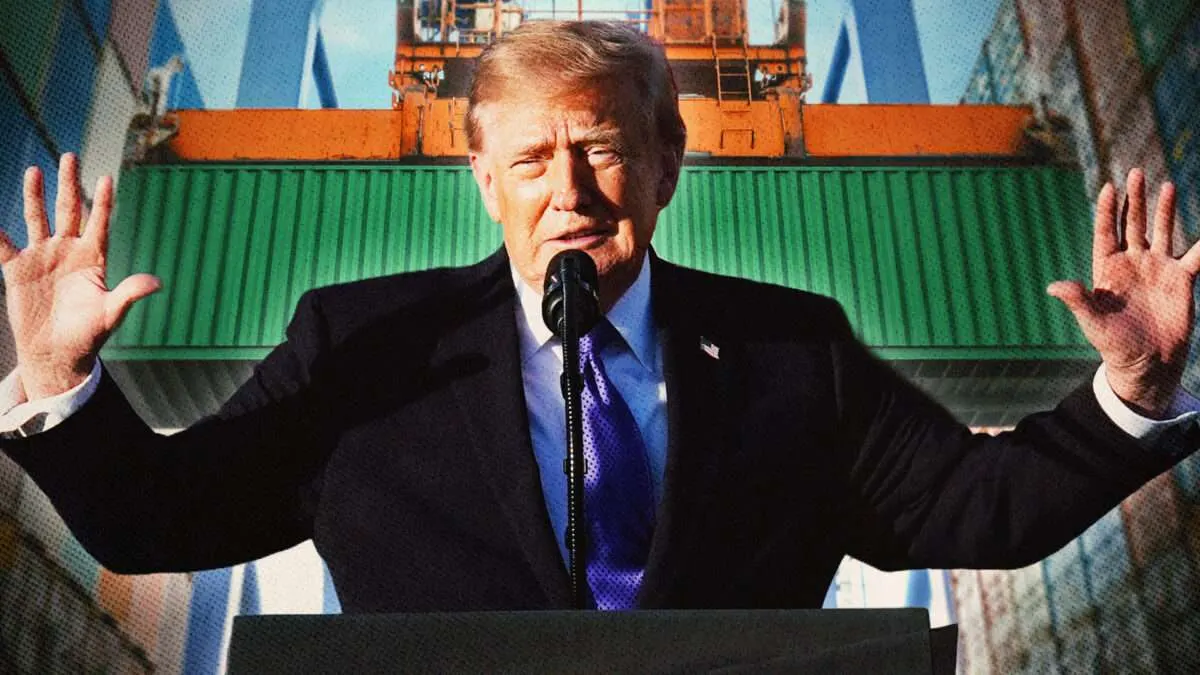
The Trump administration has announced tariffs on imports from 14 trading partners, arguing that government support has led some countries to produce more goods than they can use at home. The article argues that surplus production can benefit both exporters and buyers, and says the policy misunderstands how international trade works.
The tariffs range from 15 to 35 per cent, with Vietnam facing the highest rate, China 20 per cent and the European Union 15 per cent. They will be imposed under Section 301 of the Trade Act of 1974 and generally exclude sectors already covered by separate national security tariffs. The article points to Boeing as an example: it receives public subsidies, exports planes, and relies on parts made abroad, so restricting trade could also raise costs and reduce supply for US businesses and customers.
In short
- The US is imposing new tariffs on goods from 14 trading partners.
- Rates range from 15 to 35 per cent.
- The article says trade surpluses can benefit both producers and buyers.
Steelman: both sides, in good faith
The strongest fair case each way — we don't pick a winner.
The case for
Supporters of the tariffs could argue that sustained state support lets foreign producers expand beyond what market demand alone would justify, weakening competitors and threatening domestic jobs and industrial capacity. They may see targeted duties as bargaining leverage to secure fairer trade practices and as protection for US businesses and workers while Congress considers broader reforms.
The case against
Critics could argue that exports exceeding domestic demand are a normal feature of trade and can benefit buyers through greater choice and lower costs, rather than proving that trade is unfair. Tariffs may raise prices for US firms and consumers, disrupt supply chains that rely on imported parts, and invite retaliation; Boeing illustrates how businesses can both export goods and depend on international inputs.
Explained simply
Tariffs are taxes charged on imported goods, usually paid by the businesses bringing them into a country. Governments may use them to protect local industries or respond to what they see as unfair trade practices; Section 301 of the 1974 Trade Act gives the US government a route to impose tariffs in response to certain foreign trade policies.
The Trump administration says government support has encouraged some trading partners to make more goods than they can sell at home. The article questions whether this is harmful, noting that exports can give producers more customers while giving buyers access to goods, parts and materials from abroad.
The issue matters because trade links businesses across borders: Boeing, for example, receives public support, sells aircraft overseas and uses foreign-made parts. Tariffs can affect those supply chains as well as the price and availability of goods for US businesses and customers.