Entertainment news and discussion on TalkFuse.
Netflix As The New Cable: From Friend To Foe To Friend Again, How Streamer Became Go-To Source Of Off-Network Revenue & Tune-In Promotion
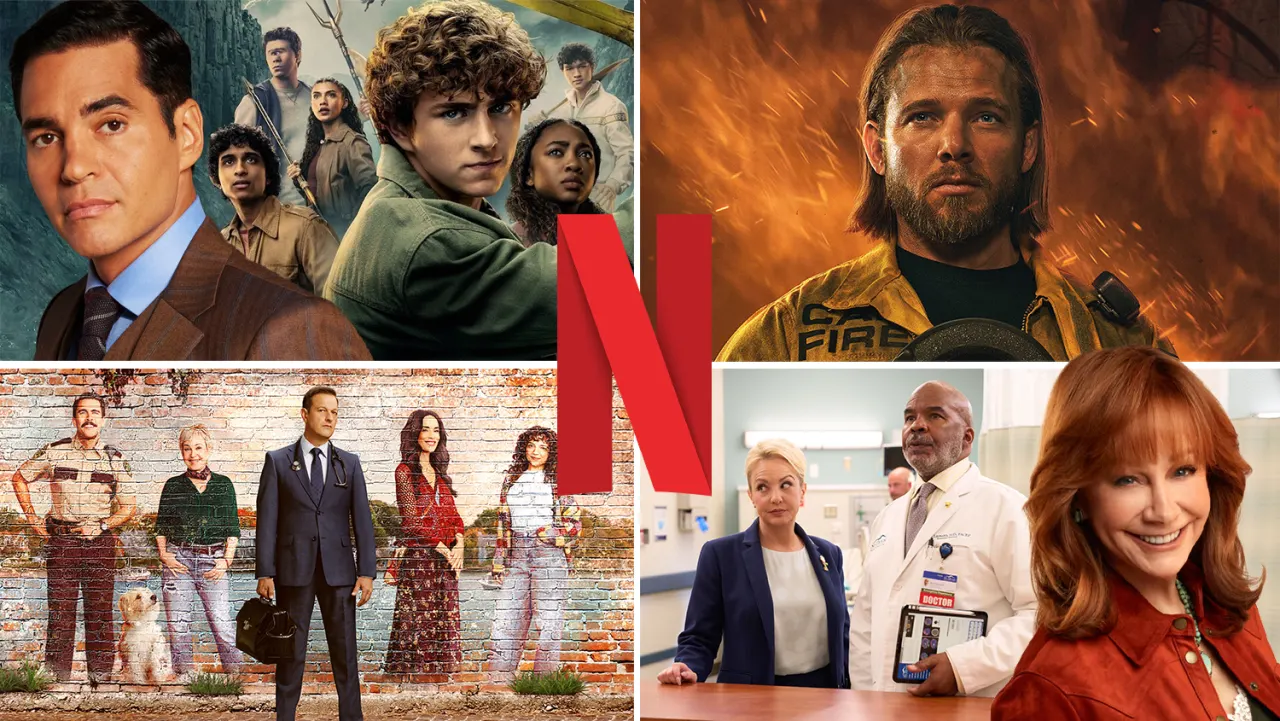
Netflix has become a major source of both licensing income and audience promotion for established television shows, taking on a role once filled by off-network syndication. A recent Disney deal puts earlier seasons of ABC’s *Will Trent* and *Shifting Gears* on Netflix shortly before their next seasons begin, illustrating how streaming can help broadcasters attract viewers.
Earlier examples include *Breaking Bad*, whose success on Netflix helped it avoid cancellation, and *Grey’s Anatomy*, which gained new fans through the service and continued on ABC. Deals like these largely paused when media companies launched their own streaming services, but have since returned in a mostly non-exclusive form: networks retain their own streaming rights, while Netflix typically gets older seasons after their broadcast run. This brings shows to streaming sooner than traditional syndication, which generally required four seasons and 100 episodes.
In short
- Netflix licensing now brings broadcasters revenue and promotion.
- Earlier seasons can build interest ahead of new premieres.
- Current deals are mostly non-exclusive and arrive faster than syndication.
Steelman: both sides, in good faith
The strongest fair case each way — we don't pick a winner.
The case for
Licensing older seasons to Netflix can bring broadcasters meaningful revenue and introduce shows to viewers who may then tune in to new episodes. Earlier streaming availability can help a series find an audience sooner than traditional syndication, while non-exclusive deals let the original network keep its own streaming options.
The case against
Relying on Netflix for revenue and promotion may give a powerful streaming platform greater influence over how audiences discover television, while encouraging broadcasters to depend on an outside service rather than build their own. The reported gains in attention do not guarantee that new viewers will move to the broadcast run, and licensing may shift value away from a network’s own service.
Explained simply
Broadcast networks such as ABC once relied on syndication to earn money from older episodes after a show had run for several seasons. Streaming services have changed that route: they can license earlier seasons to large audiences much sooner, while the episodes continue to be available through the network’s own service.
Netflix has helped introduce viewers to established programmes such as Breaking Bad and Grey’s Anatomy, potentially supporting their continued audiences on the original broadcaster. Media companies initially held shows back for their own streaming services, but licensing deals with Netflix have returned, often allowing both services to carry the episodes.
These deals can bring licensing income to broadcasters and give viewers a way to catch up before a new season starts. For networks, streaming can also serve as promotion, much as off-network syndication once did.