World news and discussion on TalkFuse.
The 10 UK areas where council tax bills could rise by up to £70 – full list
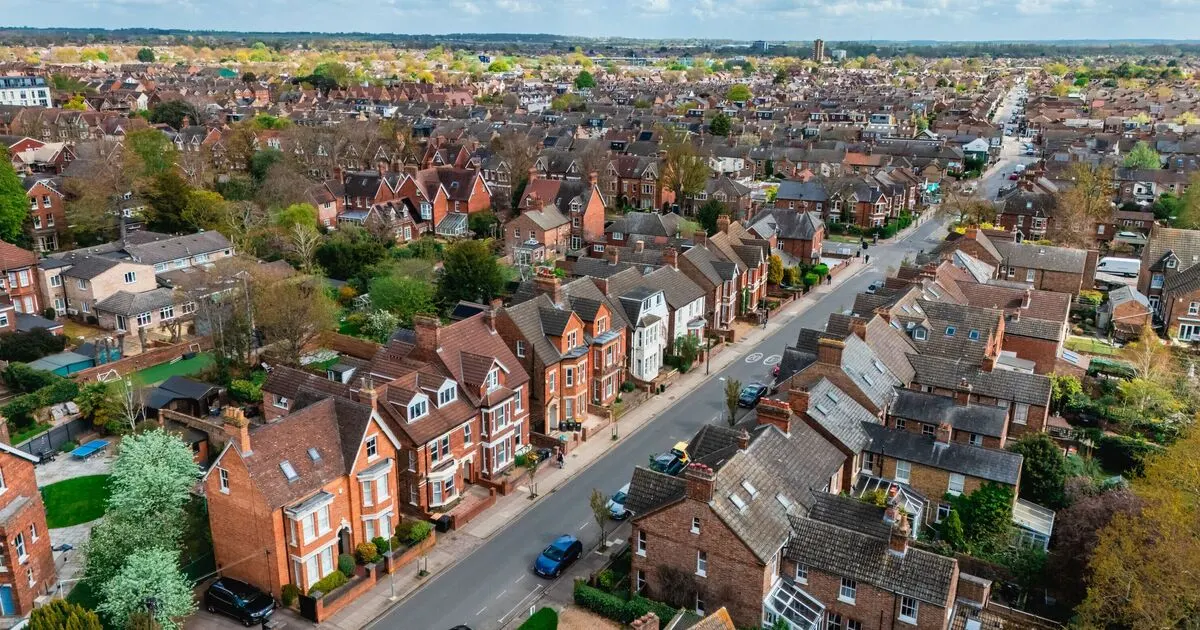
The Government is considering merging England and Wales’s 43 police forces into as few as nine regional forces, a change that could also standardise the police share of council tax across each region. Households currently paying below their region’s average could face higher bills, while those paying above it might see reductions; police leaders have warned that residents could pay more and still receive less service.
An analysis covering 37 police force areas outside London estimates that a Band D household in Northumbria could pay about £70 more per year, taking its police precept from £214 to £284. Estimated rises include £37 in the West Midlands, £22 in Essex and £14 in Kent; Surrey’s current Band D precept is £353. The Home Office says the figures are speculative and that it is still reviewing recommendations on police structures and costs.
In short
- Police force mergers could change council tax precepts.
- Northumbria households may face an estimated £70 rise.
- The Home Office says the figures are speculative.
Steelman: both sides, in good faith
The strongest fair case each way — we don't pick a winner.
The case for
Merging forces and standardising the police share of council tax could make funding more consistent across regions, reducing disparities between neighbouring areas and helping larger forces coordinate resources. Supporters could argue that shared administration and planning may improve efficiency, while any increases would help bring currently lower-funded areas closer to a common level.
The case against
A common regional precept could make households in lower-billing areas pay substantially more without guaranteeing better policing, particularly if savings from mergers do not reach frontline services. Opponents could argue that local bills should reflect local priorities and service costs, and that the projected rises—such as about £70 a year in Northumbria—are concerning while the plan’s costs and effects remain uncertain.
Explained simply
Council tax is made up of several charges, including a police precept that helps fund local policing. The precept is set separately by each police area, so the amount paid by households can vary across England and Wales.
The Government is reviewing proposals to combine the 43 police forces in England and Wales into larger regional forces. If police areas changed, their funding arrangements and precepts might also be standardised, affecting bills differently from one place to another.
Police forces and local police leaders are among those involved in the debate, alongside the Home Office, which is reviewing the proposals. The changes could alter how policing is organised and funded, with possible consequences for both council tax bills and local services.