Science news and discussion on TalkFuse.
Manhattan renters are moving in on the homeowner turf of NYC’s forgotten borough
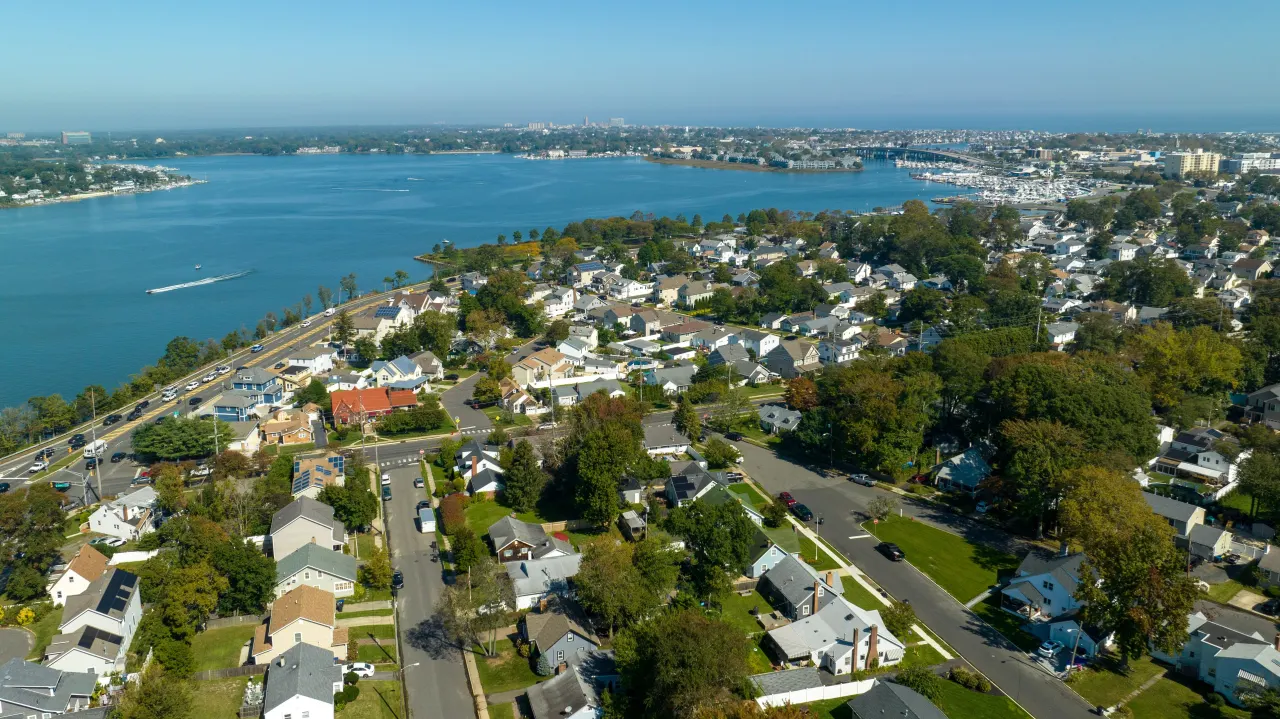
Staten Island is becoming more rental-oriented as new apartment developments expand, though it remains New York City’s strongest borough for homeownership. The shift matters because it reflects changing housing growth rather than a broad departure of existing homeowners.
From 2014 to 2024, the borough’s ownership rate slipped from 69% to 68%, while owner-occupied homes rose from about 113,000 to more than 115,000. Rental homes grew faster, from roughly 51,000 to more than 55,000, accounting for almost two-thirds of the increase in occupied homes. Six of the ten city neighbourhoods with the largest rises in renter share were on Staten Island; in the North Shore, renters now occupy 77% of homes, up from 55%.
In short
- Staten Island’s renter share is rising as rentals grow faster than owner-occupied homes.
- The borough’s ownership rate fell one point to 68% over a decade.
- North Shore renters now occupy 77% of homes, up from 55%.
Steelman: both sides, in good faith
The strongest fair case each way — we don't pick a winner.
The case for
More rental housing can give people who cannot or do not want to buy a home greater access to Staten Island, while adding homes as the borough grows. The figures show rental growth alongside a slight rise in owner-occupied homes, suggesting this shift is expanding housing options rather than displacing homeownership overall.
The case against
A faster rise in rentals may change the borough’s traditionally ownership-oriented character and make it harder for some residents to find the stability and control associated with owning a home. If new development is concentrated in rental housing, it may also leave prospective buyers with fewer opportunities, even as the total number of owner-occupied homes edges up.