Science news and discussion on TalkFuse.
Tests begin to assess lead fallout after Iowa detonation
Developing story first seen 7 hours ago
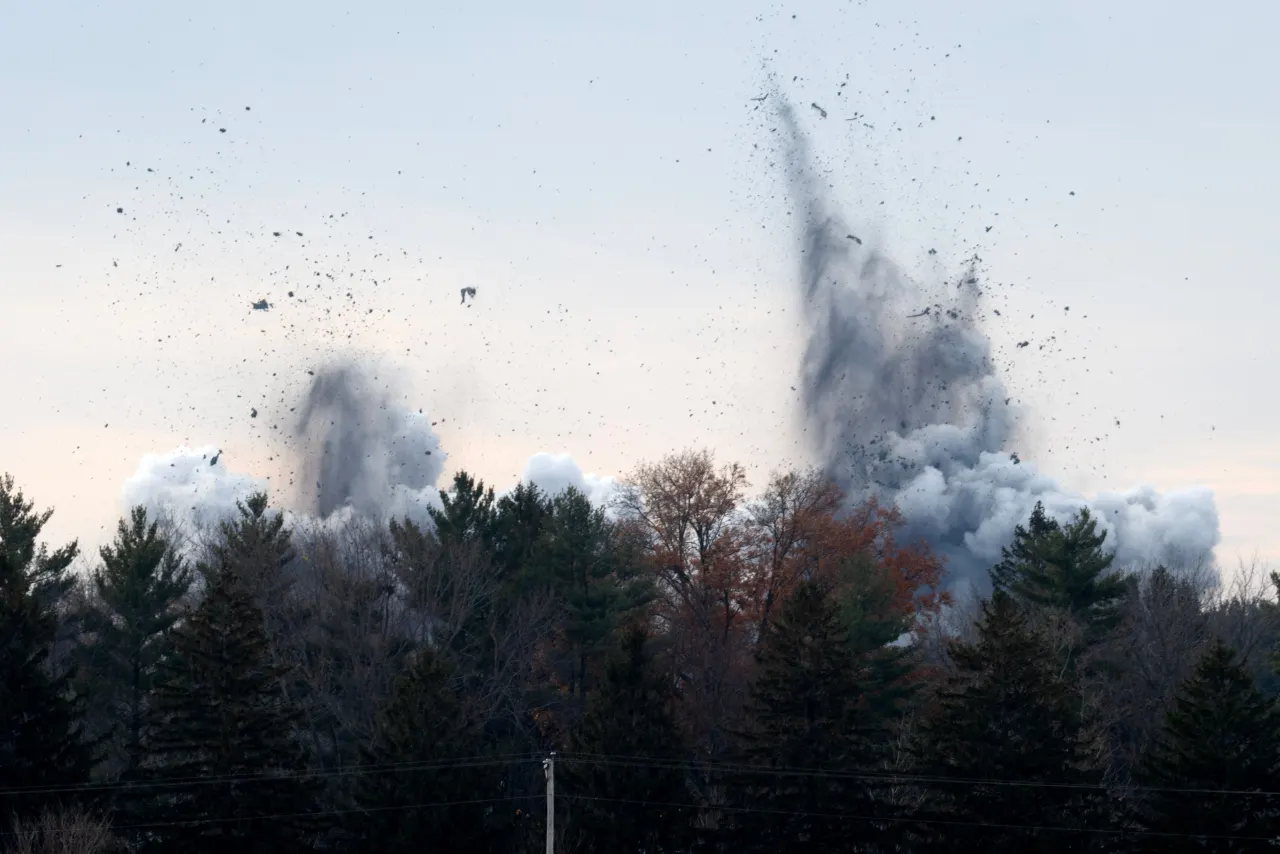
Researchers and residents are expanding tests to establish whether Wednesday’s detonation of nearly five tons of lead azide spread lead around Middletown, Iowa. Initial monitoring detected no lead in the air near the site, but the full extent of any fallout may take days to assess.
The Army, the Environmental Protection Agency, NASA, universities and local residents are examining air, soil and water samples. University of Iowa scientists are tracking where the plume may settle, while Purdue researchers have asked for soil samples; more detailed laboratory results could take about a week. The Army considered the decades-old explosive too unstable to move, and limited communication with nearby towns has fuelled public distrust, leading university researchers to compare their findings with federal monitoring.
- Sources
- 5
- Outlets
- 4
- Left · Centre · Right
- 2 · 1 · 1
In short
- Expanded testing is assessing possible lead fallout.
- Initial air checks found no lead near the site.
- University results could help build trust in federal monitoring.
How this story developed
- 4 hours ago Researchers at the University of Iowa and Purdue joined the monitoring effort, with NASA tracking conditions by aircraft and satellite and more sensitive laboratory results expected to take about a week.
- 4 hours ago The Army blew up nearly five tons of unstable lead azide near Middletown, Iowa, prompting air, soil and water monitoring as officials assessed whether lead had spread to nearby communities.
- Washington Examiner Daily on Energy: How the Iowa lead detonation went
- New York Times After Extraordinary Iowa Explosion, Officials and Scientists Assess Fallout Risks
- New York Times Iowa Awaits All-Clear as Tests for Lead Continue
- Wired Tests begin to assess lead fallout after Iowa detonation
- PBS NewsHour WATCH: Vance defends Iowa lead azide detonation as he visits Air Force troops in Ohio
Where outlets differ
Left-leaning outlets 2
- After Extraordinary Iowa Explosion, Officials and Scientists Assess Fallout RisksNew York Times
- Iowa Awaits All-Clear as Tests for Lead ContinueNew York Times
Only here: extraordinary, explosion, officials, scientists, assess
Centre outlets 1
Only here: vance, defends, azide, visits, force
Right-leaning outlets 1
- Daily on Energy: How the Iowa lead detonation wentWashington Examiner
Only here: daily, energy, went
Every side used: iowa, lead
Headline columns compared word for word; nothing in them is AI-written.
Steelman: both sides, in good faith
The strongest fair case each way — we don't pick a winner.
The case for
The Army’s decision to detonate the unstable material on site can be defended as a way to avoid the risks of transporting it, while containment measures and monitoring aim to limit and assess any harm. Testing by government, university and independent researchers can build a fuller picture of possible exposure and help guide a response.
The case against
Detonating nearly five tons of lead azide near populated areas creates understandable concern about fallout, especially while its full extent remains unknown. Limited advance communication may also weaken public trust, so residents can reasonably argue that transparent, independent testing and clear disclosure are essential to judging whether the decision and safeguards were adequate.
Explained simply
Lead azide is a chemical used in explosives, including military ammunition. It becomes more dangerous to handle as it ages, so moving old stock can pose a risk. The US Army is responsible for managing its munitions, while nearby communities may be affected if hazardous material reaches the air, soil or water.
After an explosive is detonated, researchers can test the surrounding area for contamination. Federal agencies, universities and local residents may all contribute, using air, soil and water samples to build a clearer picture. Different tests take different amounts of time, and comparing results can help people understand what was released and where it may have travelled.
The issue matters because possible exposure can affect public health, while uncertainty about the evidence can shape trust in the Army and government agencies. Clear communication and access to reliable monitoring are therefore important to residents living near military sites.
Coverage · 5 sources
Bias meters
From 4 rated sources, 1 unrated.
- WiredTests begin to assess lead fallout after Iowa detonation
- Washington ExaminerRightDaily on Energy: How the Iowa lead detonation went
- New York TimesLeftAfter Extraordinary Iowa Explosion, Officials and Scientists Assess Fallout Risks
- New York TimesLeftIowa Awaits All-Clear as Tests for Lead Continue
- PBS NewsHourCentreWATCH: Vance defends Iowa lead azide detonation as he visits Air Force troops in Ohio
Read the full article at the source →
Originally published by Wired as “The Iowa Lead Detonation Happened. Now the Real Work Begins to Study It”.