World news and discussion on TalkFuse.
Wanted: Volunteers to clear snow… and they’ll even teach you how to use a shovel!
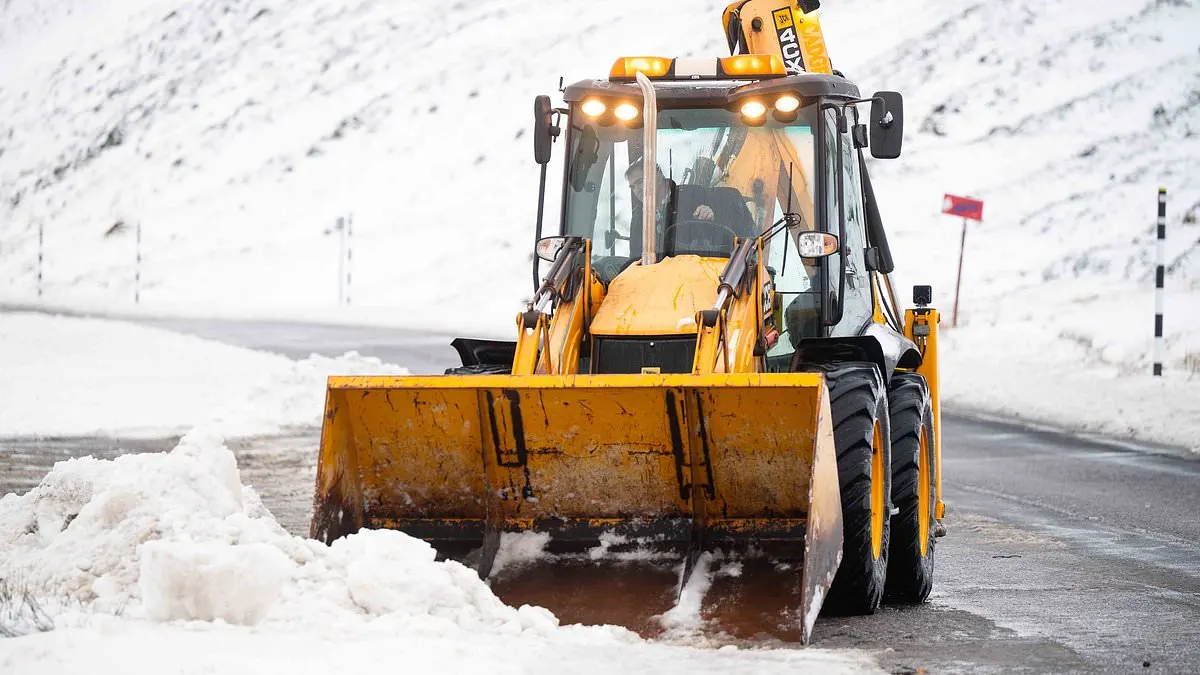
Aberdeenshire Council is asking residents to volunteer as snow wardens, clearing snow and gritting public footways in their communities. The scheme has drawn criticism because it follows a 10 per cent council tax rise and the planned removal of 1,200 grit bins, prompting residents and a taxpayers’ group to question whether households are being asked to make up for reduced services.
Volunteers will receive grit, storage containers and protective equipment, but must first complete training, including instruction on using a shovel safely. Groups must include at least two volunteers from different households, with one acting as lead; the scheme runs until 31 March. The council says it supports existing community volunteers and supplements, rather than replaces, its winter maintenance work. Parts of the North-East recently saw heavy snow, with 10cm recorded at Glenshee.
In short
- Aberdeenshire is recruiting residents to clear snow and grit footways.
- The scheme follows a 10 per cent council tax rise.
- The council says volunteers will supplement its winter maintenance work.
Steelman: both sides, in good faith
The strongest fair case each way — we don't pick a winner.
The case for
Snow wardens could help keep public footways safer during severe weather, particularly when heavy snow makes it harder for council crews to reach every community quickly. The council says volunteers will receive grit, equipment and safety training, and that the scheme supplements its own winter maintenance; supporters may see organised local help as a practical way to protect residents while making use of community willingness to contribute.
The case against
Residents may reasonably question the timing of a volunteer scheme after a 10 per cent council tax rise and plans to remove 1,200 grit bins. They could argue that clearing and gritting public footways are core council services, and that relying more on unpaid residents risks shifting responsibility onto communities, with uneven coverage where fewer people can volunteer.