World news and discussion on TalkFuse.
Iowa explosion showing ‘zero’ lead detection on EPA air monitors — but Lee Zeldin stops short of calling blast safe
Developed over time first seen 1 day ago
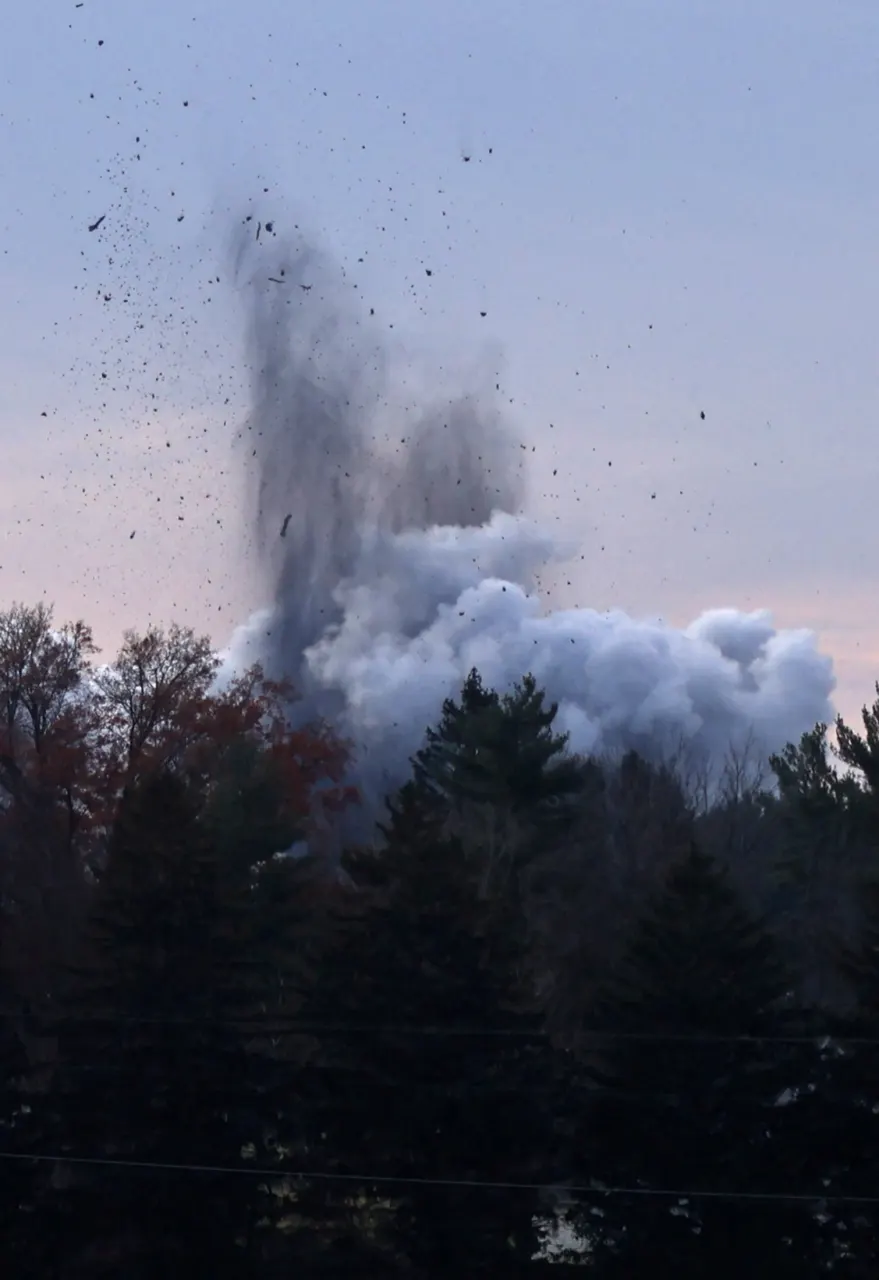
The Army carried out a controlled demolition of nearly five tonnes of degraded explosives at the Iowa Army Ammunition Plant. EPA chief Lee Zeldin said initial air-monitor readings showed no detectable lead, an encouraging sign, but he did not declare the blast or site safe while further results were pending.
The explosives were lead azide stored in 68 drums. The detonation was delayed three times amid public concern and a lawsuit, then went ahead after a federal appeals court reinstated the permit; about 300 EPA staff and contractors were on site. Officials had taken roughly 1,200 samples of air, land, dust and water beforehand, but had not reported whether lead was found in soil or on surfaces. Iowa Governor Kim Reynolds called the outcome a best-case scenario, while incoming governor Rob Sand criticised the chaotic lead-up and called for transparency about how the stockpile deteriorated.
- Sources
- 2
- Outlets
- 2
- Left · Centre · Right
- 0 · 0 · 2
In short
- Air monitors initially detected no lead.
- Zeldin withheld a safety verdict pending more data.
- Results for soil and surfaces were not reported.
How this story developed
- 19 hours ago New EPA readings from the Iowa blast showed no detectable lead in the air, which Lee Zeldin called an encouraging early sign. He stopped short of declaring the site safe, saying the agency needed to review and publicly release more data before reaching that conclusion.
- 1 day ago The US Army detonated nearly five tonnes of degraded explosives at the Iowa Army Ammunition Plant, and early EPA air-monitor readings showed no detectable lead.
- 1 day ago The Army carried out a controlled demolition of nearly five tonnes of degraded explosives at the Iowa Army Ammunition Plant.
Steelman: both sides, in good faith
The strongest fair case each way — we don't pick a winner.
The case for
The early readings showing no detectable lead are encouraging, and the controlled detonation followed extensive monitoring of a deteriorated explosive stockpile. Supporters may argue that destroying the drums reduces the risks of continued storage, while the large sampling effort can help assess any effects beyond the air monitors.
The case against
A lack of detectable lead in early air readings cannot establish that the blast was safe, especially before results from soil, surfaces, dust and water are available. Given the scale of the detonation and public concern, critics can reasonably argue that officials should disclose and assess the full monitoring results before offering reassurance about risks to nearby communities.
Explained simply
The Iowa Army Ammunition Plant is a military site where explosives are made, stored and disposed of. Lead azide is a chemical used to set off explosives; when material containing lead is detonated, nearby communities may worry about lead getting into the air, soil or water.
The US Environmental Protection Agency (EPA) monitors pollution and advises on environmental risks, while the Army manages the plant and its operations. The planned disposal drew public concern and a legal challenge, reflecting questions about how to remove old explosives while protecting people and the surrounding environment.
Coverage · 2 sources
Bias meters
From 2 rated sources.