Politics news and discussion on TalkFuse.
DNC Unveils 2028 Primary Plans: 12 Debates, Influencers, and No Dark Money
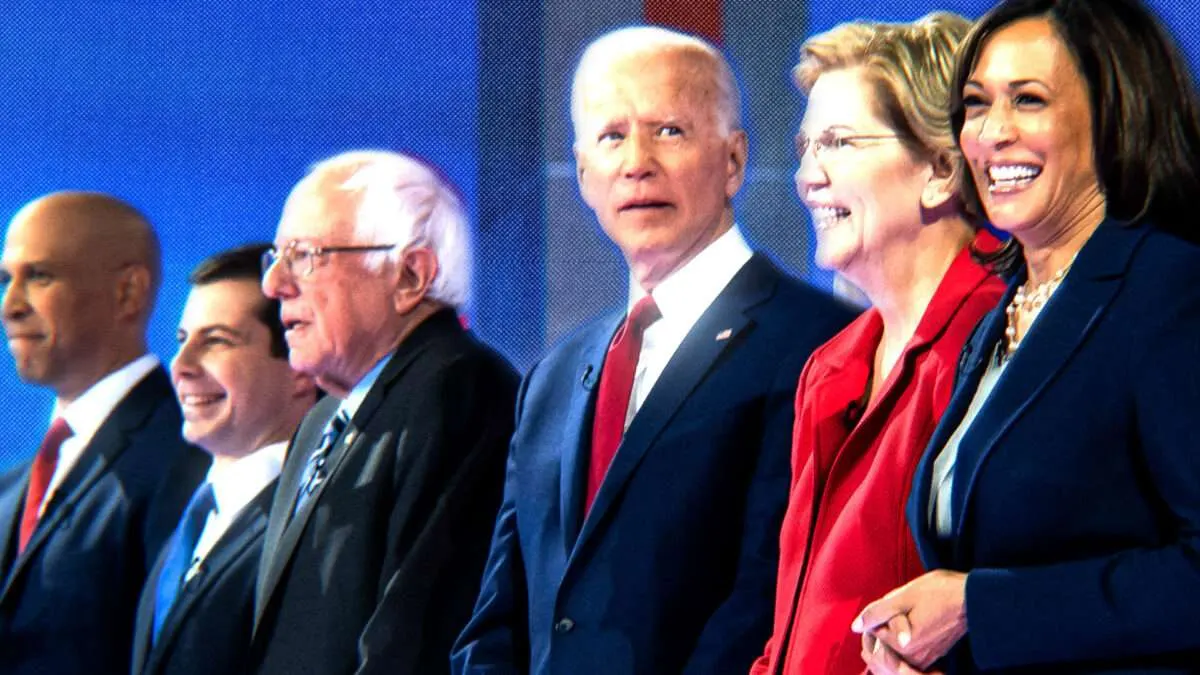
The Democratic National Committee has announced plans for 12 sanctioned presidential primary debates, beginning in June 2027, as part of a more structured process for choosing its 2028 nominee. The plan also aims to broaden debate audiences by involving online creators and influencers, though the DNC has not explained what role they will play.
Candidates would be barred from taking part in unsanctioned events where two or more contenders share a stage and answer questions, on pain of exclusion from later sanctioned debates. To qualify for those debates, campaigns would also have to denounce dark money spending that violates a pledge; the DNC says it cannot legally prohibit such spending, and the pledge would not cover the general election. The article argues that debates and social media attention alone are unlikely to secure a nomination without policies that appeal to voters.
In short
- The DNC plans 12 sanctioned debates for the 2028 Democratic primary.
- Influencers may be involved, but their role is not yet clear.
- Candidates must denounce certain dark money spending to qualify.
Steelman: both sides, in good faith
The strongest fair case each way — we don't pick a winner.
The case for
A structured schedule of 12 sanctioned debates could give voters repeated chances to compare candidates and help campaigns plan a fair, common process. Bringing online creators into the debate audience may reach people who do not follow traditional political coverage, while a pledge against violating dark-money rules could set a public standard even if the DNC cannot legally prohibit the spending.
The case against
A large, centrally controlled debate schedule could narrow candidates’ opportunities to reach voters on their own terms, especially if attending unsanctioned events risks exclusion from later debates. The influencer role is undefined, and a pledge that does not cover the general election or prevent the spending may offer limited accountability while debate visibility still leaves substantive policy questions unresolved.