Culture news and discussion on TalkFuse.
A display of wokery: Museum says slaves were ‘sex workers’ and Stone Age had multiple genders
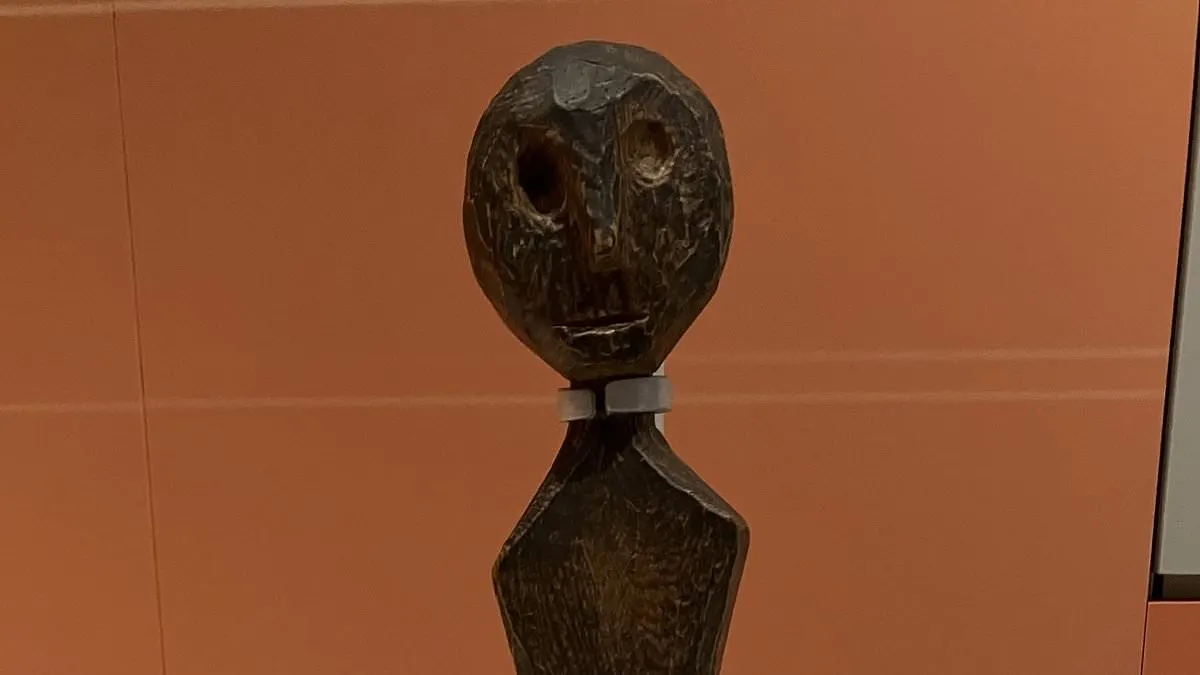
The London Museum has faced criticism over labels that describe enslaved Vikings’ captives as “sex workers” and suggest Neolithic society recognised multiple genders. BBC journalist Samira Ahmed questioned both interpretations, arguing that the first term obscures the lack of choice faced by enslaved people and that the figurine’s gender reading was uncertain.
The museum, formerly at the Barbican, is preparing to draw visitors to its new £437 million home in the former Smithfield Market. Its label says enslaved people performed various forms of labour, including sexual exploitation, while a note on a figurine found in Dagenham says research suggests people could move between genders. Critics also say the museum gives too little space to other periods, including the two world wars; Mayor Sadiq Khan said he was proud to have helped realise the project.
In short
- Museum labels have drawn criticism over slavery and gender interpretations.
- A Dagenham figurine is cited in a claim about Neolithic gender.
- The museum’s new Smithfield home cost £437 million.
Steelman: both sides, in good faith
The strongest fair case each way — we don't pick a winner.
The case for
The museum may be trying to explain that enslaved captives faced sexual exploitation as well as other forms of forced labour, and to reflect research suggesting that past societies did not always organise gender in the same way as today. Carefully qualified labels can invite visitors to consider evidence and interpretations that older displays may have overlooked.
The case against
Critics argue that calling enslaved people “sex workers” risks implying consent where there was none, and that claims about Neolithic gender categories may go beyond what an ambiguous figurine can establish. They also contend that the museum should give more space to major periods such as the two world wars, so its interpretation of London’s history is broad as well as inclusive.