Entertainment news and discussion on TalkFuse.
California music festival claims Walmart is ripping them off in carnival-like lawsuit over merch
Developing story first seen 9 hours ago
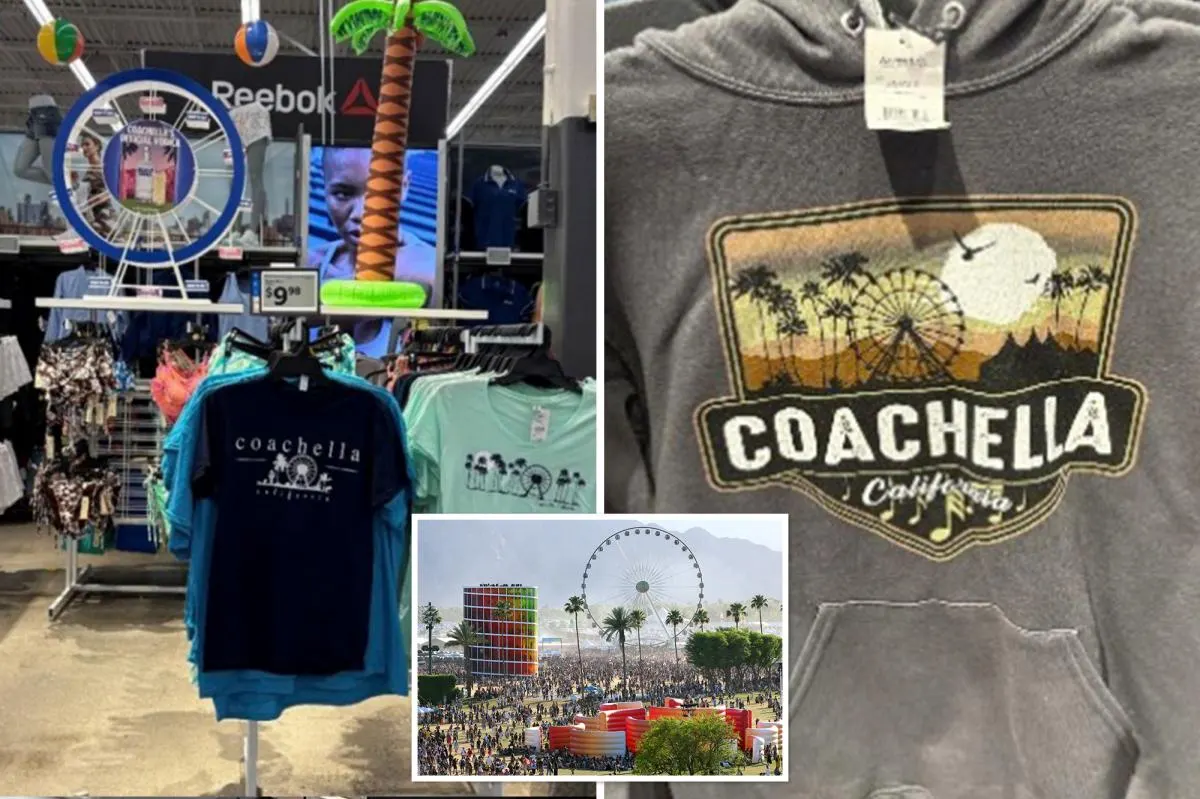
The latest update adds Walmart’s response: the retailer says it will review the complaint and respond in court once served. Coachella organisers and promoter Goldenvoice have sued Walmart, alleging it sold merchandise using the festival’s branding without permission and could mislead customers about whether the goods were official.
The lawsuit claims the sales have taken place over the past 10 years, especially at Walmart stores in Indio and La Quinta, near the annual festival. The disputed imagery includes a palm tree logo, Ferris wheel and mountain illustrations; organisers say repeated requests to stop had only temporary effect, and that some products compete with their own merchandise.
- Sources
- 2
- Outlets
- 2
- Left · Centre · Right
- 0 · 0 · 1
In short
- Walmart says it will respond in court to Coachella’s lawsuit.
- Organisers allege unauthorised branded goods were sold for a decade.
- The dispute centres on merchandise and festival imagery at nearby stores.
How this story developed
- 3 hours ago Coachella festival organisers and promoter Goldenvoice have sued Walmart, alleging the retailer sold merchandise using the festival’s name and imagery without permission.
- 4 hours ago The latest update adds Walmart’s response: the retailer says it will review the complaint and respond in court once served.
Full account
Organisers of California’s Coachella Valley Music and Arts Festival have sued Walmart, alleging the retailer sold merchandise bearing the festival’s name and imagery without permission. The 28-page complaint was filed in federal court in Los Angeles by the festival and its promoter, Goldenvoice. They claim Walmart has infringed their trademarks and used festival branding to advertise products in stores and online.
The disputed designs include the festival’s palm-tree logo and Ferris wheel, as well as illustrations of the mountains around the Coachella Valley. The complaint says the branding has featured in festival advertising since 1999 and alleges that products carrying it have been sold without a licence over the past decade. Some of the goods, the organisers say, compete with official festival merchandise.
The lawsuit points to Walmart stores in North Indio and La Quinta, close to the festival site, and includes photographs of items said to have been on sale. The reports describe sweatshirts, drinkware and clothing; Rolling Stone also notes allegations that festival imagery appeared on signs promoting products such as beverages, coolers and folding chairs. The organisers say they have repeatedly asked Walmart to remove the merchandise and related advertising, but that the activity stopped only temporarily before returning.
The organisers argue that they carefully choose which businesses can sponsor the festival or license its marks, and that unauthorised use risks suggesting a connection with Walmart. Rolling Stone reports that the retailer’s spokesperson said it had not yet seen the complaint and would respond in court once served. The same report says Goldenvoice did not immediately respond to a request for comment. The festival is scheduled to return to Indio in April 2027, with Dua Lipa, Tame Impala and SZA named as headliners.
Where outlets differ
From the full account, which is AI-written from the sources:
Both reports describe a 28-page lawsuit and recurring alleged sales at nearby Walmart stores. The first emphasises the claimed ten-year span, the history of the branding and repeated requests to stop; Rolling Stone gives more examples of the products and advertising, recounts local newspaper videos, and includes Walmart’s response and the next festival dates and headliners.
The first report describes the alleged imagery as including mountain illustrations, grass and gradient backgrounds, while Rolling Stone focuses on palm trees and the Ferris wheel. They give slightly different descriptions of the locations: the first names Indio and La Quinta, while Rolling Stone specifies North Indio and La Quinta.