Health news and discussion on TalkFuse.
Terrell Owens brings race into Aaron Rodgers conversation after QB torched Steelers coach before release
Developed over time first seen 1 day ago
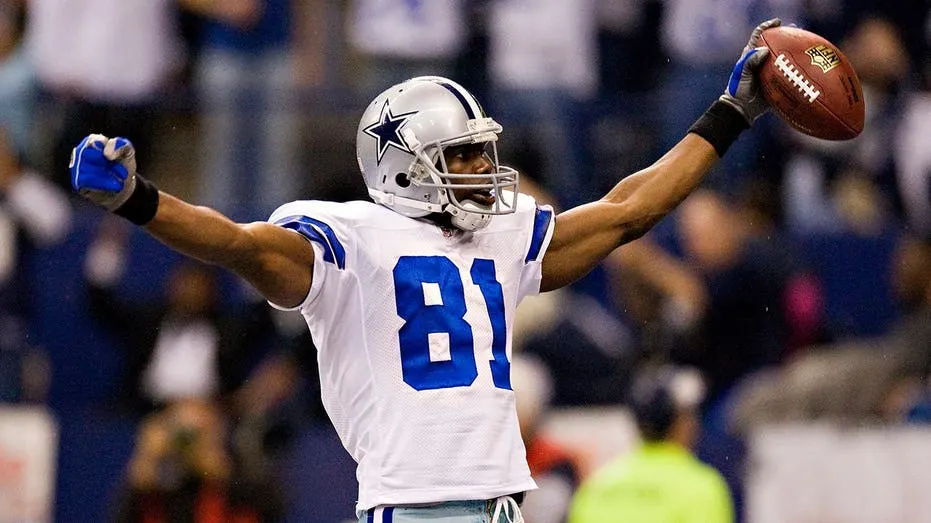
Former NFL receiver Terrell Owens argued that Aaron Rodgers received more lenient treatment than a Black player would have after criticising former Pittsburgh Steelers coach Mike McCarthy before his release. Owens said similar behaviour by him would have led to suspension and labels such as “insubordinate” or “a cancer”, and described this as evidence of a racial double standard in the league.
Owens recalled that his own disputes, including a 2005 contract standoff with the Philadelphia Eagles, were portrayed negatively despite his playing record. He also alleged that former San Francisco 49ers quarterback Jeff Garcia fell asleep in meetings and attended practice intoxicated, saying he was not treated as an equal; Garcia denied the claim in a message to the article’s publisher. The article notes Owens’s past media controversies alongside his criticism of how players’ conduct is judged.
- Sources
- 2
- Outlets
- 2
- Left · Centre · Right
- 0 · 0 · 2
In short
- Owens said Rodgers was treated more leniently than Black players.
- He cited his own NFL disputes as evidence of unequal judgement.
- Garcia denied Owens’s allegation about his conduct.
How this story developed
- 24 hours ago New coverage adds Owens’ comparison with former San Francisco 49ers quarterback Jeff Garcia: Owens alleged Garcia also fell asleep in meetings and came to practice intoxicated, and said he was not treated as an equal.
- 1 day ago Terrell Owens has argued that Aaron Rodgers is receiving more favourable treatment than Black players after Rodgers criticised former Pittsburgh Steelers head coach Mike McCarthy before being released.
- 1 day ago Former NFL receiver Terrell Owens argued that Aaron Rodgers received more lenient treatment than a Black player would have after criticising former Pittsburgh Steelers coach Mike McCarthy before his release.
Full account
Terrell Owens has argued that Aaron Rodgers is being judged by a different standard after the quarterback publicly criticised Pittsburgh Steelers head coach Mike McCarthy and the team before his release. Speaking on social media, Owens said similar behaviour from him, or another Black player, would have been labelled insubordinate, disruptive or damaging to the team. He described the contrast as evidence of privilege and a double standard in the NFL.
Owens drew on his own experience of being portrayed negatively in the media. He said his character had been attacked on the basis of inaccurate reporting, and contended that actions which brought Rodgers attention might have drawn much harsher consequences had Owens done them. He also recalled that he eventually accepted he could not compete with media narratives, while insisting that his conduct had stayed within the rules. He said being less outwardly cheerful or sociable did not make him a bad person.
The first report places Owens’s comments against episodes from his playing career, including a highly publicised driveway workout in 2005 as he sought a new contract with the Philadelphia Eagles and tensions with quarterback Donovan McNabb. Its focus is the racial comparison and Owens’s view of how media coverage shaped perceptions of him. It also says Rodgers criticised McCarthy, including alleging that the coach fell asleep in meetings, and recounts the reported phrase McCarthy used to end a huddle. The Steelers’ decision to release Rodgers followed his interview, according to the reports.
The second report concentrates instead on the reaction to Rodgers. It recounts Shannon Sharpe’s criticism on the Night Cap podcast, where Sharpe called Rodgers arrogant and selfish and questioned his ability to lead, while saying he would not discuss Rodgers’s family. It also quotes Russell Wilson, who suggested that Rodgers wanted control over play-calling and questioned whether the quarterback would be satisfied with how his career was ending. Those comments offer a different angle from Owens’s: rather than focusing on unequal treatment, they scrutinise Rodgers’s leadership and his decision to air team matters publicly.
Where outlets differ
From the full account, which is AI-written from the sources:
The first report centres on Terrell Owens’s claim that race shaped how comparable conduct by NFL players is judged, and connects it to his own career and media treatment.
The second report does not discuss Owens’s argument. It focuses on criticism of Rodgers by Shannon Sharpe and Russell Wilson, especially their assessments of his leadership and handling of the dispute.
The first report describes Rodgers’s criticism of McCarthy and the Steelers’ release decision; the second gives more detail about reactions to the interview and frames the dispute around leadership and control of play-calling.
Steelman: both sides, in good faith
The strongest fair case each way — we don't pick a winner.
The case for
Owens’s comparison raises a defensible concern that Black players may be judged more harshly than white players for similar conduct. His own experience and his account of Jeff Garcia’s alleged behaviour invite scrutiny of whether differences in media coverage, team discipline and career consequences reflect unequal standards; Garcia’s lack of response in the report leaves that comparison unverified.
The case against
A fair assessment should not infer unequal treatment from the comparison alone: the report offers Owens’s account, without Garcia’s response or detailed evidence that the players’ conduct and circumstances were alike. Rodgers’s public criticism, Owens’s disputes and Garcia’s alleged behaviour may have differed in context and consequences, so establishing a racial double standard would require more evidence than the examples provided.
Explained simply
Terrell Owens and Aaron Rodgers are former professional American football players who have spoken publicly about disputes with coaches and teams. Owens, a Black former wide receiver, has argued that Black players can face harsher judgement than white players for similar behaviour.
The discussion also refers to Jeff Garcia, a white former San Francisco 49ers quarterback who played with Owens. Owens has alleged that Garcia slept in meetings and arrived at practice intoxicated, and said he was not treated as an equal; Garcia was asked for comment, but no response was reported.
Owens has pointed to his own clashes with teams, including a contract dispute with the Philadelphia Eagles in 2005, when arguing that he would have been labelled disruptive for conduct that drew less criticism from others. The issue matters because it raises questions about whether race affects how players’ behaviour is judged in professional sport.
Coverage · 2 sources
Bias meters
From 2 rated sources.