World news and discussion on TalkFuse.
UK shields fighter jets, contacts reservists in Cold War-scale push amid Russia threat
Developed over time first seen 1 day ago
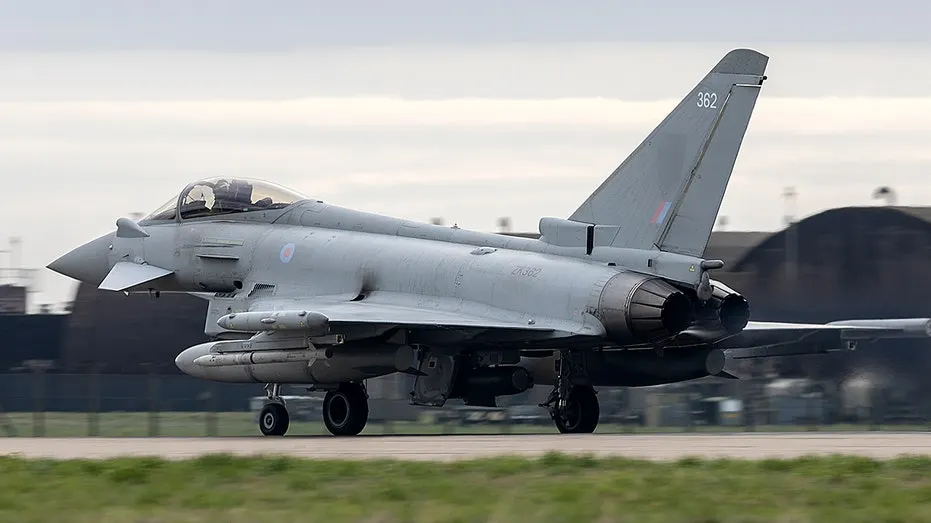
The UK is increasing its military readiness amid concerns about Russian activity and other security threats. Defence Secretary Wes Streeting said the government wants to keep the country alert and prepared, arguing that readiness can help deter conflict.
The Ministry of Defence is contacting thousands of former service members to update their Strategic Reserve details and assess skills that could be useful in an emergency or conflict. Reservists may volunteer for training, including NATO’s Steadfast Defender next spring; the outreach is reported to be the largest of its kind since the Cold War. Separately, the RAF is strengthening base security with hardened aircraft shelters and anti-drone netting, while MI5 and the ministry have reportedly warned UK companies supplying military equipment to Ukraine about possible Russian sabotage. A think tank cited in the article says suspected Russian-directed sabotage incidents in Europe rose 16% in the year to September 2026.
- Sources
- 2
- Outlets
- 2
- Left · Centre · Right
- 0 · 0 · 2
In short
- UK is updating its Strategic Reserve records.
- Reservists may join NATO training exercises.
- RAF bases are adding aircraft and drone protections.
How this story developed
- 12 hours ago Newly added reporting says the RAF is reinforcing base security with hardened aircraft shelters and anti-drone netting, while MI5 and the Ministry of Defence have reportedly warned UK suppliers of military equipment to Ukraine about possible Russian sabotage.
- 18 hours ago The UK is contacting thousands of former service personnel to update records of its Strategic Reserve, as the government responds to a deteriorating security climate linked to Russia and other threats.
- 18 hours ago The UK is increasing its military readiness amid concerns about Russian activity and other security threats. Defence Secretary Wes Streeting said the government wants to keep the country alert and prepared, arguing that readiness can help deter conflict.
Full account
The Ministry of Defence has begun writing to thousands of former service personnel to update their contact details and record the skills they have gained since leaving the Armed Forces. The initiative is intended to give the Government a clearer picture of the people who could be called on in a national emergency. Ministers say there are no current plans to mobilise the Strategic Reserve; eligible former personnel retain a legal liability to be recalled in exceptional circumstances.
Defence Secretary Wes Streeting described the security situation in Europe as having worsened and said the aim was to prepare without causing public alarm. He pointed to Russian activity near NATO territory, suspected state-backed sabotage across Europe and Iran-linked threats around UK military bases. He also argued that knowing who is available and what they can do would help the country respond to crises at home as well as conflict abroad.
The Ministry says former personnel will be able to volunteer for training and exercises, including NATO’s Steadfast Defender exercise planned for 2027. The RAF says the reserve includes about 95,000 people across the services, although only some former personnel have recall obligations. The outreach follows a period in which reserve records and links with former members had become less active; officials say reconnecting now is intended to strengthen readiness and deterrence.
The reports place the initiative against wider concern about Russian activity. One cites an International Institute for Strategic Studies assessment that suspected sabotage incidents in Europe rose by 16 per cent in the year to September 2026, with Germany and Poland accounting for more than half. A separate strand concerns RAF base security: reporting attributed to The Times says the service is using hardened shelters and anti-drone netting to protect aircraft, alongside broader investments in site protection, surveillance and counter-drone measures. Those details widen the story from personnel planning to the security of equipment and bases.
Where outlets differ
From the full account, which is AI-written from the sources:
The two supplied reports substantially repeat the same account of the reserve letters, Streeting’s remarks and the sabotage figures. The first foregrounds the IISS warning and threat context; the second gives more detail about reported base protections and the RAF’s stated security spending.
The Cold War scale comparison and the claim that this is the first outreach of its kind at this scale are attributed to The Telegraph in the reports, rather than presented as the Ministry’s own description. The RAF says the reserve itself is longstanding and describes the current step as renewed engagement.
The RAF says there are no present plans to recall the Strategic Reserve and that only some former service personnel are liable to be called back. This qualification tempers the more urgent framing in the headline.
Steelman: both sides, in good faith
The strongest fair case each way — we don't pick a winner.
The case for
Supporters of the readiness push argue that harder security at RAF bases and updated reserve records are prudent safeguards in a more dangerous climate. Preparing people and infrastructure in advance could deter sabotage, protect equipment and give the UK more options if a crisis escalates, while reservists’ participation in training remains voluntary.
The case against
Critics could accept the need to guard against real threats while questioning whether a Cold War-scale mobilisation is proportionate or well targeted. Contacting thousands of former personnel and expanding security measures may create costs and anxiety, and could risk treating uncertain threat assessments as grounds for a wider military posture without clear evidence that these steps are the best response.
Explained simply
The RAF is the Royal Air Force, and the Ministry of Defence oversees Britain’s armed forces. The Strategic Reserve is made up of former service personnel who may be asked to return in a serious emergency; updating its records helps the military understand what skills could be available.
NATO is a military alliance whose members plan and train together, including through exercises such as Steadfast Defender. The UK’s security planning also reflects concerns about Russia, including reported sabotage risks to military supply networks and the vulnerability of air bases to drones. These issues matter because they affect how Britain protects its forces and prepares for a possible crisis.
Coverage · 2 sources
Bias meters
From 2 rated sources.
Europe Software Technology UK World