World news and discussion on TalkFuse.
Trump adds Ukraine to warning against expanding war, diverging from joint NATO statement
Developed over time first seen 1 day ago
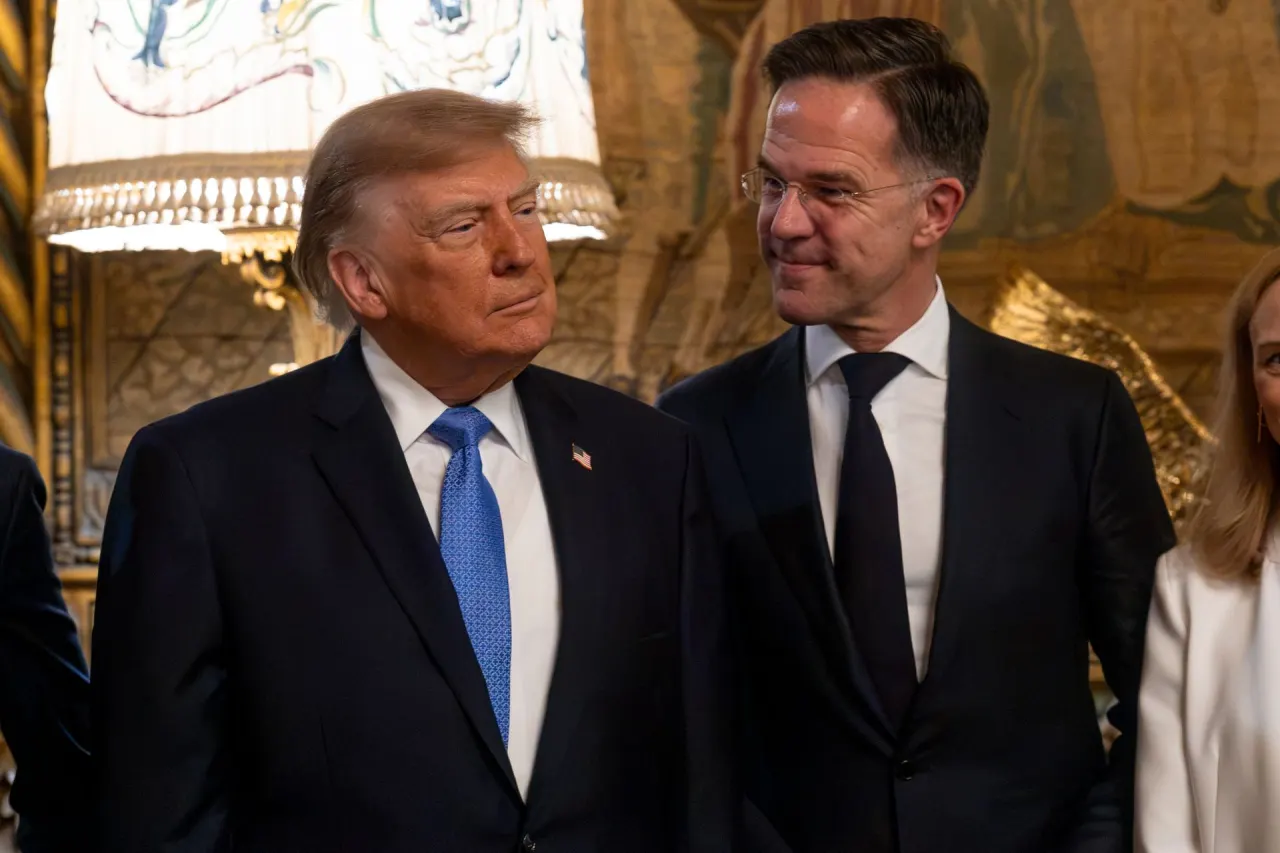
Donald Trump’s version of a joint statement with NATO Secretary General Mark Rutte added Ukraine to a warning about actions that could widen Russia’s war. The original statement referred only to Russia; the change matters as European allies raise concerns that the conflict could spread beyond Ukraine’s borders.
The statement followed a 25 November meeting at Trump’s Florida residence. A NATO official said both sides had agreed to the original wording, while the White House did not respond to a request for comment. The wording change came amid Russian airspace violations in Poland and a Ukrainian strike that sank a Russian corvette in the Mediterranean; NATO foreign ministers were scheduled to meet in Brussels on 2 December.
- Sources
- 2
- Outlets
- 2
- Left · Centre · Right
- 0 · 0 · 0
In short
- Trump’s version named both Russia and Ukraine in the warning.
- NATO said the leaders had agreed on wording naming Russia alone.
- The change came amid wider European security concerns.
How this story developed
- 17 hours ago Trump’s published version of a joint statement with NATO Secretary General Mark Rutte added Ukraine to a warning about actions that could expand the war, which had originally named Russia alone.
- 24 hours ago President Donald Trump altered a published statement with NATO Secretary General Mark Rutte, adding Ukraine to a warning that had named only Russia as a party that should avoid expanding the war.
- 24 hours ago Donald Trump’s version of a joint statement with NATO Secretary General Mark Rutte added Ukraine to a warning about actions that could widen Russia’s war.
Steelman: both sides, in good faith
The strongest fair case each way — we don't pick a winner.
The case for
Including Ukraine in the warning can be defended as a call for restraint by all parties, especially when military actions risk widening a conflict that European allies fear could cross borders. A symmetrical formulation may also help keep diplomatic channels open and avoid language that appears to excuse escalation by one side.
The case against
Naming Ukraine alongside Russia can imply that responsibility for widening the war is equivalent, despite Russia’s invasion being the context for the conflict and the original wording singling out Russia. Changing an agreed joint statement without explanation may also weaken trust among NATO allies and blur the alliance’s shared message at a moment of heightened concern.
Explained simply
Russia’s full-scale invasion of Ukraine began in 2022, and the fighting has continued between Russian and Ukrainian forces. NATO is a military alliance that includes the United States and many European countries; it supports Ukraine but is not itself a party to the war.
Mark Rutte is NATO’s secretary general, while Donald Trump is the US president. NATO members are concerned that incidents involving their territory or forces could draw the alliance into a wider conflict, so statements about who might escalate the war carry diplomatic weight.
Coverage · 2 sources
Europe Geopolitics Politics World