Politics news and discussion on TalkFuse.
Philippine families seek justice as Duterte faces ICC trial over drug war
Developed over time first seen 1 day ago
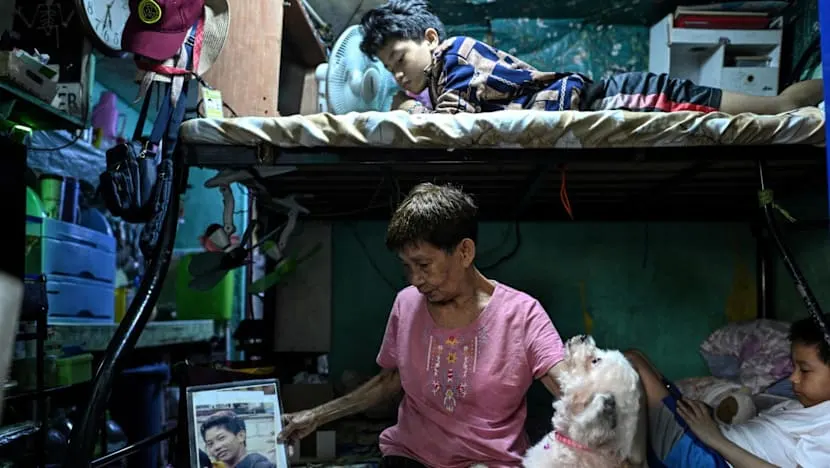
Ten years after Rodrigo Duterte began his anti-drug campaign, families of those killed are still seeking justice as the former Philippine president faces a looming International Criminal Court trial. Their accounts show how the campaign’s consequences continue to shape lives and public debate in the Philippines.
Silingan Coffee, a social enterprise supporting affected families, has grown from one outlet in 2021 to six across Greater Manila and employs members of more than 40 families. Its operations head, Grace Garganta, says her father and brother were killed within weeks of the campaign’s 2016 launch; another mother featured in the story lost her 21-year-old son, a tricycle driver, who was shot on Christmas Day. Families have faced stigma and fear alongside bereavement, while human rights groups condemned the crackdown.
- Sources
- 3
- Outlets
- 2
- Left · Centre · Right
- 0 · 3 · 0
In short
- Families are still seeking justice a decade after Duterte’s drug war began.
- The ICC trial of the former president looms.
- Silingan Coffee employs members of more than 40 affected families.
How this story developed
- 16 hours ago The newly added account identifies the other victim as a 21-year-old tricycle driver shot dead by an unidentified assailant on Christmas Day.
- 22 hours ago Further reporting says Grace Garganta left her studies and sought refuge at a church after her father and brother were killed soon after the campaign began.
- 22 hours ago New details show Silingan Coffee has expanded from one outlet in 2021 to six across Greater Manila, employing people from more than 40 affected families, while another mother described her son’s killing.
- 23 hours ago A decade after Rodrigo Duterte launched his anti-drugs campaign, bereaved families in the Philippines continue to seek justice amid fear, stigma and debate over his legacy as he prepares for an International Criminal Court trial.
Full account
Ten years after Rodrigo Duterte began his anti-drugs campaign, its consequences remain visible in the lives of families who lost relatives and in a political debate that continues to divide the Philippines. The former president is due to face trial at the International Criminal Court in The Hague on 30 November, accused of crimes against humanity linked to killings during the crackdown. He is expected to plead not guilty. The case offers victims’ families a route towards accountability that they say has eluded them at home, while putting the court’s ability to pursue former national leaders under scrutiny.
The human toll is contested. Philippine authorities recorded 6,252 deaths in anti-drug operations, with police saying officers acted in self-defence. Human rights groups estimate that the total may be between 12,000 and 30,000, including people killed by unidentified gunmen. ICC prosecutors allege Duterte funded and armed execution squads and charge him with three counts involving murder and attempted murder. The case covers alleged crimes from 2011 to 2019, though the charges described in one report concern killings between 2011 and 2018.
For some families, the pursuit of justice has become part of daily life. Silingan Coffee, a social enterprise with six branches in Greater Manila, employs people from more than 40 families affected by the killings. Its “Justice Van” carries messages opposing extrajudicial killings and gives survivors a place to share their experiences. Grace Garganta, who lost her father and brother shortly after the campaign began, said she had to stop studying and later sought refuge at a church because she feared being targeted. She describes the work as a source of dignity as well as employment.
Duterte remains popular among supporters who saw his promise of swift action as an answer to crime, corruption and government inaction. He had built a reputation as mayor of Davao City before taking his approach nationwide in 2016. The trial may therefore resonate beyond the courtroom: his daughter, Vice-President Sara Duterte, is viewed as a leading possible candidate in the 2028 presidential election. She has accused the ICC of political bias and said it would not give her father a fair hearing. His supporters have described his arrest and transfer to The Hague as a kidnapping, while Sara Duterte links both her father’s case and her own Senate impeachment proceedings to efforts to block her political future.
The proceedings also unfold amid a rupture between the Duterte family and President Ferdinand Marcos Jr. The two political camps were allies during Marcos’s successful 2022 campaign, but have since fallen out. Sara Duterte’s impeachment case could bar her from elected office if she is convicted. In the Philippines, the ICC trial is thus bound up with questions of accountability for past violence and the contest over who will lead the country next. Whether it changes public opinion remains uncertain: Duterte’s continuing support suggests that the legacy of the drug war is not only a matter of legal judgment, but also of sharply different views about security, justice and political power.
Where outlets differ
From the full account, which is AI-written from the sources:
CNA foregrounds survivors’ experiences and Silingan Coffee’s work, including Grace Garganta’s account of her family’s killings and flight to safety.
The second report centres on Sara Duterte’s criticism of the ICC, her claim that the proceedings are politically motivated, and the link she draws to the 2028 election and her impeachment case.
DW gives more context on Duterte’s political appeal, his record as Davao mayor and the competing official and human-rights estimates of deaths. It also presents the ICC case as a test of international justice.
The reports describe the alleged period and scale of the case differently: one says the warrant concerns killings from 2011 to 2019, while another says the three charges cover 2011 to 2018. The death toll figures also vary by source and by whether they refer to official records or wider estimates.
Steelman: both sides, in good faith
The strongest fair case each way — we don't pick a winner.
The case for
Supporters of Duterte’s drug crackdown may argue that the state had a duty to respond urgently to serious drug-related crime and that many citizens wanted safer communities. They may see his forceful approach as an expression of public frustration with ineffective institutions, while maintaining that allegations of unlawful killings should be judged through fair legal proceedings rather than assumed to define the entire campaign.
The case against
Critics argue that combating crime cannot justify killings without due process, and that the scale of deaths and the suffering of families point to grave abuses of state power. They see accountability, including a fair ICC trial, as essential both to justice for victims and to the principle that leaders remain answerable for how they exercise authority.
Explained simply
Rodrigo Duterte was president of the Philippines from 2016 to 2022. Soon after taking office, he launched a campaign against illegal drugs, involving police operations and killings that rights groups condemned; many deaths were reported, though the full toll remains disputed.
Families of people killed have sought answers and justice, while some have faced stigma and fear. Duterte remains a prominent political figure, and Filipinos hold differing views of his record and the campaign.
The International Criminal Court investigates serious crimes when national courts are unable or unwilling to act. Its case against Duterte concerns alleged crimes linked to the drug campaign; the proceedings matter to families seeking accountability and to debates in the Philippines over the campaign’s legacy.
Coverage · 3 sources
Bias meters
From 3 rated sources.
Elections Government Health Medicine Politics World
Read the full article at the source →
Originally published by CNA as “A decade after Duterte’s drug war, the Philippines confronts its bloody legacy as ICC trial looms”.