World news and discussion on TalkFuse.
Andy Burnham humiliated as EU deal ‘might not actually cut costs for Brits’
Developing story first seen 5 hours ago
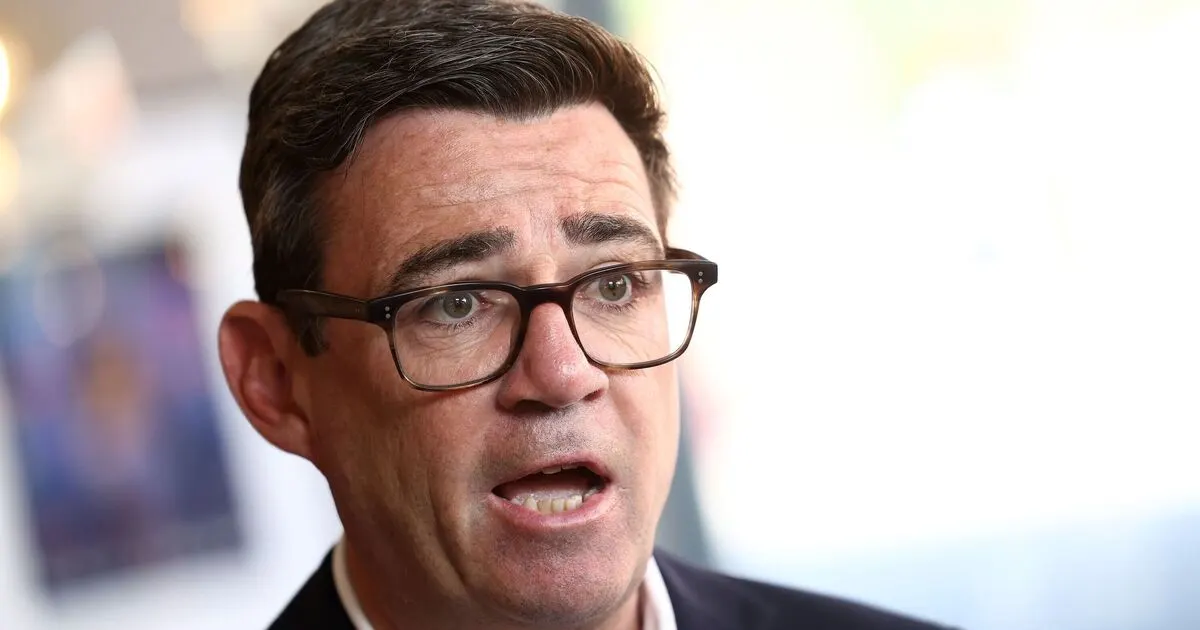
The draft impact assessment says the proposed UK-EU food agreement could ease food price inflation, but it does not guarantee lower supermarket prices. Any benefit for shoppers depends on whether businesses pass savings from producers through to retailers.
Prime Minister Andy Burnham says removing paperwork and checks should reduce costs for customers. The sanitary and phytosanitary agreement is due to end most post-Brexit checks and restrictions on food and agricultural products from 1 March 2028. The deal also requires either side to fund the return of border infrastructure if it withdraws within ten years; MPs are due to debate the bill on 7 December, with a vote expected afterwards.
- Sources
- 2
- Outlets
- 2
- Left · Centre · Right
- 0 · 0 · 2
In short
- The assessment says lower food prices are not guaranteed.
- Savings must pass from producers through to shops.
- MPs are due to debate the bill on 7 December.
How this story developed
- 24 minutes ago The draft assessment of the UK’s proposed food and agricultural agreement with the EU says it could ease food price inflation, but that is not guaranteed to reduce supermarket prices.
- 31 minutes ago The draft impact assessment says the proposed UK-EU food agreement could ease food price inflation, but it does not guarantee lower supermarket prices. Any benefit for shoppers depends on whether businesses pass savings from producers through to retailers.
Steelman: both sides, in good faith
The strongest fair case each way — we don't pick a winner.
The case for
Ending many checks and paperwork could lower costs for producers and suppliers, reduce delays and make food trade more predictable. If businesses pass those savings through, the agreement could help ease food price inflation and benefit shoppers, while closer cooperation may support reliable supplies.
The case against
Lower costs for businesses do not guarantee lower prices in supermarkets: suppliers and retailers may retain some or all of the savings, so shoppers could see little change. The agreement also brings obligations and potential costs, including funding the return of border infrastructure if either side withdraws within ten years, making its overall value to the public uncertain.
Explained simply
The UK’s departure from the European Union brought new checks and paperwork for many food and farm products traded across the border. These rules can add costs for producers and traders, and those costs may affect prices.
The proposed sanitary and phytosanitary agreement would align UK and EU rules on food safety and animal and plant health. It is intended to remove most checks and restrictions on these goods. Prime Minister Andy Burnham has said this could lower costs for customers.
Any savings for producers or traders would not automatically mean lower supermarket prices: businesses would need to pass them on through the supply chain. The agreement also includes a commitment to fund the return of border infrastructure if either side withdraws within ten years.
Coverage · 2 sources
Bias meters
From 2 rated sources.
Europe Government Politics World