World news and discussion on TalkFuse.
Britain must ditch the pound if it wants to rejoin the EU and even a ‘special deal’ to stay out but aligned means accepting free movement, Brussels warns
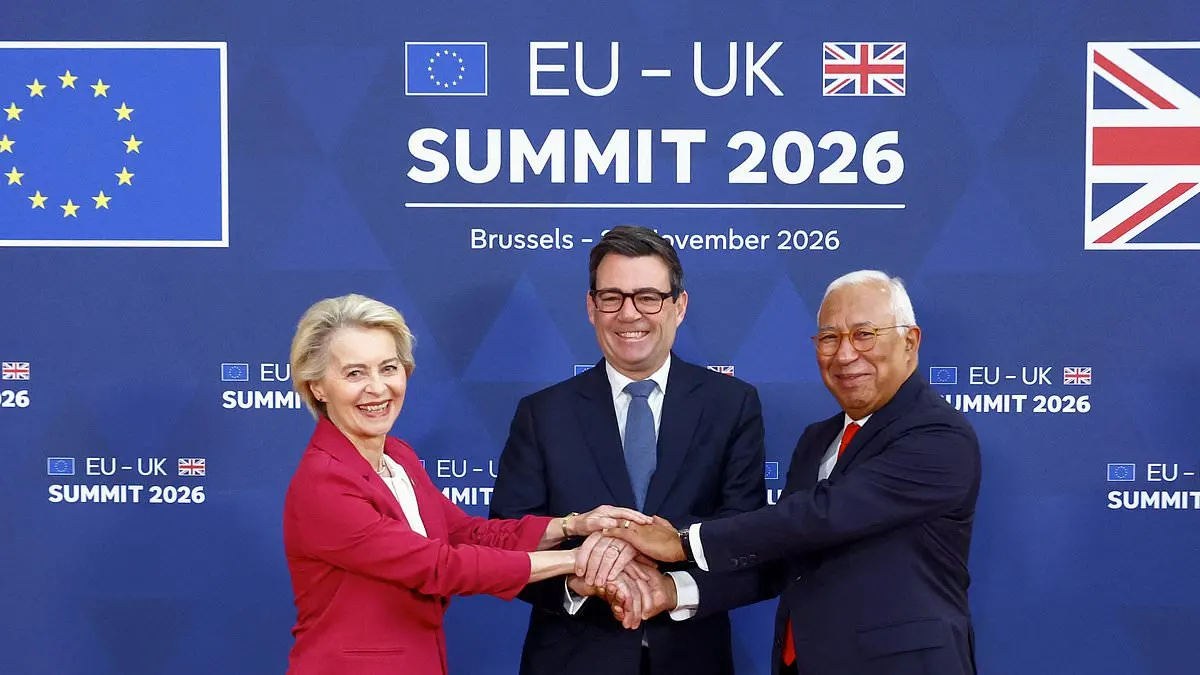
Brussels officials say a UK return to full EU membership would require Britain to commit to adopting the euro and contribute more to the EU budget, while giving up its rebate. A closer relationship that stopped short of membership could also involve accepting free movement, underlining the potential trade-offs in the Government’s Brexit reset.
The deal announced last week aims to reduce trade barriers, ease checks on food and drink, and establish a youth experience scheme; MPs are due to vote on implementing legislation next month. The article also reports that the food and farming agreement could be worth about £200 million, less than half the claimed £17 billion overall, and says EU rules would prevent the UK from banning foie gras imports.
In short
- Full EU membership could mean committing to the euro and higher budget payments.
- A closer partnership could require accepting free movement.
- The reset’s food and farming element may be worth £200 million.
Steelman: both sides, in good faith
The strongest fair case each way — we don't pick a winner.
The case for
Those favouring closer EU ties could argue that accepting common obligations, including eventual euro adoption, a larger budget contribution and free movement, is a fair price for full membership or substantially improved access. They may see the reported trade-offs as a route to lower barriers, more predictable rules and greater influence over decisions that affect Britain, while the limited value of the food and farming deal highlights the case for pursuing a broader relationship.
The case against
Those wary of deeper integration could argue that the terms would constrain the UK’s ability to set its own monetary, migration and budget policies, and that closer alignment may bring obligations without restoring meaningful influence over EU rules. They may favour the narrower agreements already being pursued, judging their practical gains modest but preferable to commitments that voters rejected or that could restrict future policy choices.
Europe Government Politics UK World