World news and discussion on TalkFuse.
Regulators Move Two Uranium Plants Forward That Could Loosen Russia’s Grip On US Nuclear Fuel
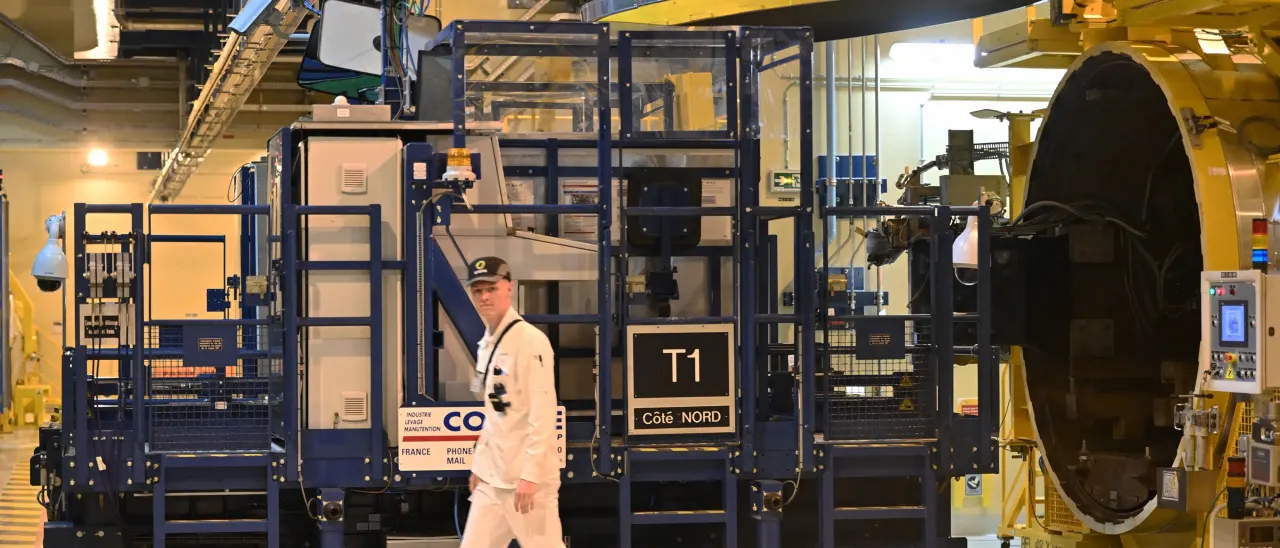
US regulators have advanced reviews of two proposed uranium enrichment plants, one in Kentucky and one in Tennessee, as the country seeks to reduce its reliance on Russian nuclear fuel. The steps bring the projects closer to licensing but are not final decisions on whether either plant can be built or operated.
The Nuclear Regulatory Commission opened an environmental review of General Matter’s proposed plant near Paducah and recommended licensing Orano’s proposed facility near Oak Ridge in a draft environmental statement. Russia accounted for 26 per cent of enrichment purchased by US nuclear plant operators in 2025, compared with 23 per cent from US suppliers. A 2024 law bans Russian low-enriched uranium imports but allows waivers that must end by 1 January 2028; Orano expects production to ramp up in 2031 or 2032.
In short
- US regulators advanced reviews of two proposed enrichment plants.
- Russia supplied 26 per cent of US nuclear fuel enrichment in 2025.
- Waivers for Russian uranium imports must end by 2028.
Steelman: both sides, in good faith
The strongest fair case each way — we don't pick a winner.
The case for
Supporters argue that enrichment is a strategic capability, and that relying on Russia for a material with both energy and military applications leaves the United States open to political leverage at a time of heightened tension. Building domestic and allied enrichment capacity would diversify supply, guard against sanctions shocks or deliberate disruption, and rebuild expertise that the country allowed to decline after the Cold War. They would also say the 2028 deadline reflects a deliberate policy choice to end this dependence, and that these reviews are a necessary step in making that commitment credible.
The case against
Critics contend that the plants will not meaningfully reduce Russian dependence before the waivers expire, since production is not expected until 2031 or 2032, and that the policy risks committing public money to projects whose economics depend on subsidies and uncertain long-term demand. They would emphasise that trusted allied producers already offer enrichment, and that diversifying among these partners could deliver the same security benefit sooner and at lower cost. Concerns about environmental and local impacts at the Paducah and Oak Ridge sites, along with the risk of locking in expensive capacity that may later prove unnecessary, complete their case.
Americas Europe Politics World