Politics news and discussion on TalkFuse.
Republican Rep. Maria Salazar Fires Back At Immigration Hardliners, Calls ‘Amnesty’ A ‘Cheap Word Trick’
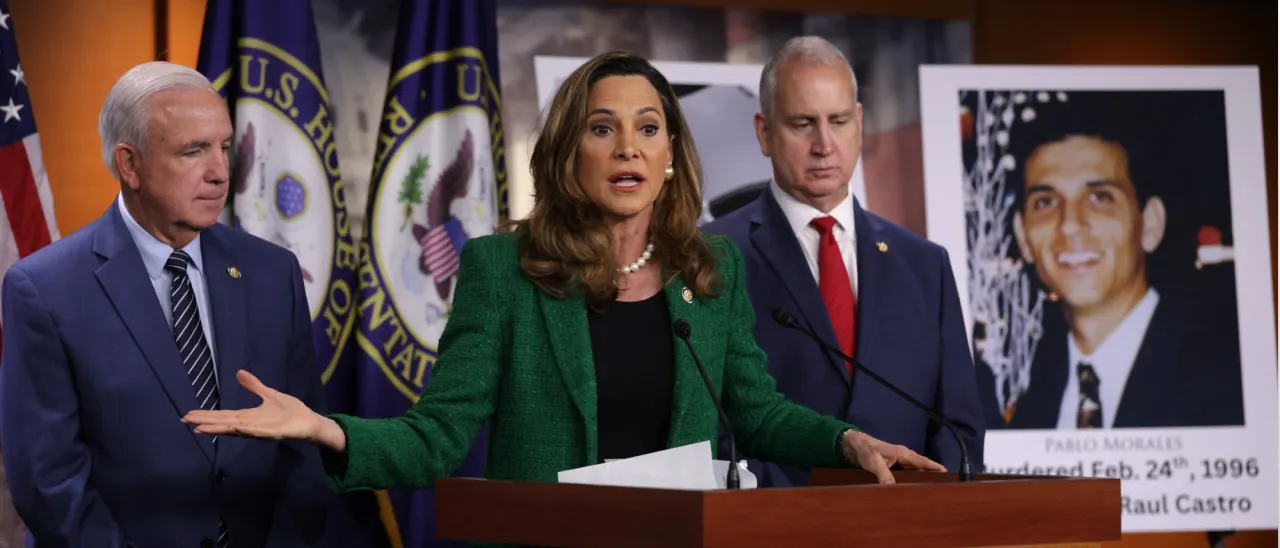
Republican Representative Maria Salazar has criticised immigration hardliners for using “amnesty” to shut down debate, arguing that immigration reform affects the whole country. Her response backed Oklahoma Governor Kevin Stitt’s call for a discussion focused on policy and respectful disagreement.
Salazar says immigration has implications for the economy, affordability, national security and growth. Her Dignity Act proposes a route to legal status and citizenship for undocumented immigrants already in the US, alongside stronger border security and changes to asylum rules. The article says Republican critics question whether reform could proceed without amnesty; Stitt says he supports legal visas, border security and enforcement.
In short
- Salazar says “amnesty” is being used to stifle immigration debate.
- Stitt calls for legal visas alongside border security and enforcement.
- Salazar’s Dignity Act combines a citizenship pathway with enforcement measures.
Steelman: both sides, in good faith
The strongest fair case each way — we don't pick a winner.
The case for
Supporters of Representative Salazar's approach argue that immigration touches almost every area of national life, including the economy, housing affordability, security and growth, so it deserves a comprehensive response rather than piecemeal fixes. They contend that the current system leaves millions of long-settled undocumented residents in legal limbo, and that a path to legal status paired with stronger border controls and asylum changes is a pragmatic way to restore order and reduce the incentive for future illegal crossings. For them, labelling such proposals 'amnesty' closes down discussion before the actual terms, conditions and enforcement provisions can be weighed on their merits.
The case against
Critics who oppose legalisation for those already in the country argue that earlier promises of enforcement followed by legal status have not delivered on border security, and that any pathway to citizenship risks rewarding unlawful entry and encouraging further illegal migration. They place a high value on the rule of law, fairness to people who have queued through legal channels, and the credibility of enforcement before any legal status is granted. For them, the term 'amnesty' describes a substantive concern about sequencing and precedent, and treating it as a rhetorical trick dismisses a serious question about whether reform can be trusted to work as promised.