Culture news and discussion on TalkFuse.
Park Slope Food Coop that banned Israeli products now locked in new war over archaic mask mandate
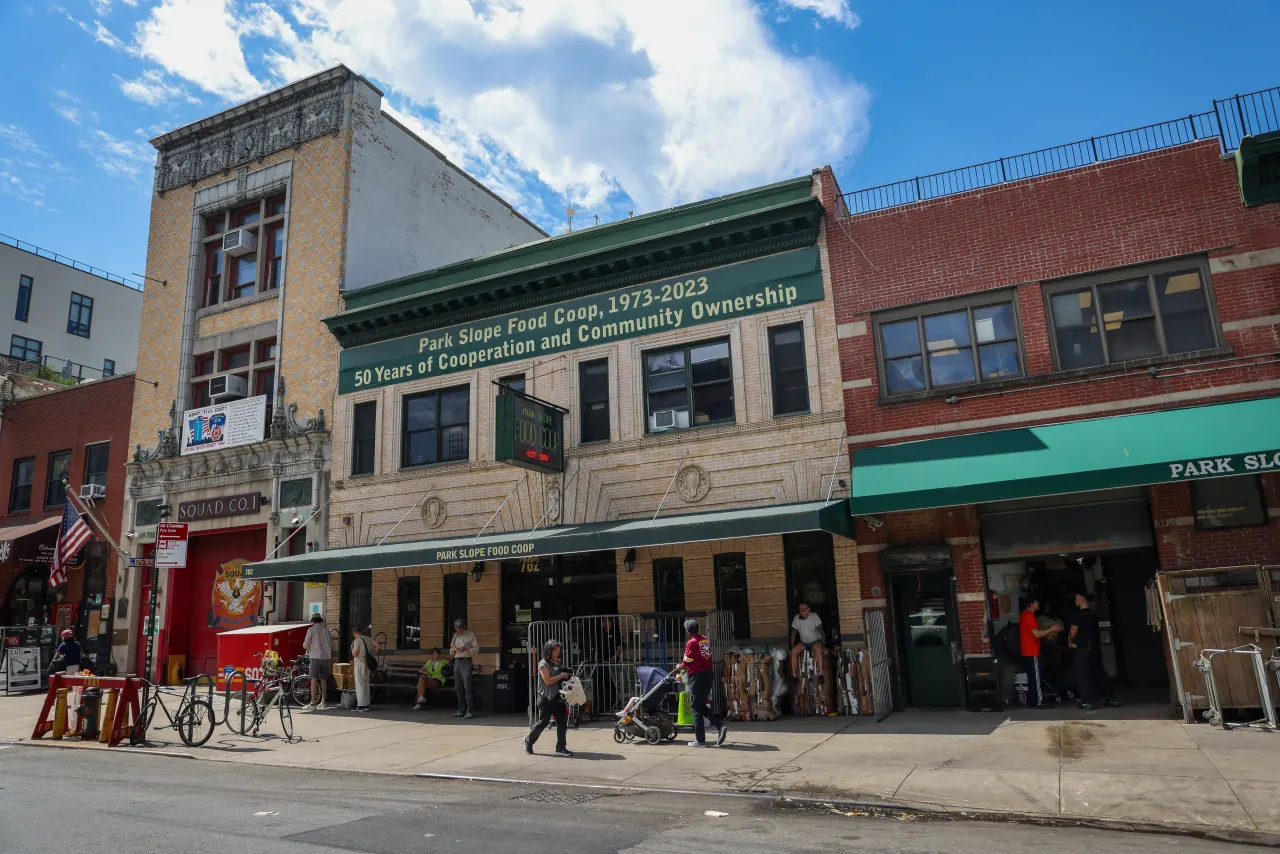
Park Slope Food Coop members are set to debate whether to end a requirement for shoppers to wear masks two days a week, a policy still in place years after broad pandemic restrictions eased. The dispute matters because it pits members’ concerns about protecting medically vulnerable shoppers against objections to the rule’s cost, waste and continued inconvenience.
The Coop first made masks optional in March 2023 after a survey found 68% of about 5,000 respondents supported that change. Seven months later, 70 members voted to bring back mandatory masking on two days a week, while 52 opposed it. Since December 2025, the Coop has bought 188,000 masks, spending $7,800 on them and $2,500 on disposal; the article also notes recent tensions over a proposed boycott of Israeli goods, though one member’s claim linking the disputes has not been independently verified.
In short
- Members will debate ending the Coop’s two-day-a-week mask rule.
- The Coop has spent $10,300 on masks and their disposal since December 2025.
- The policy was reinstated by a 70 to 52 vote in 2023.
Steelman: both sides, in good faith
The strongest fair case each way — we don't pick a winner.
The case for
Members who want to keep the two-day mask requirement argue that it is a low-cost, low-burden way to protect shoppers with compromised immune systems, older members, and those who cannot afford to stay home when they fall ill. They see a cooperative as a community built on mutual care, where accepting a small inconvenience for the sake of others is an expression of its founding values. They also point to the 70 to 52 vote as evidence that the membership still sees the rule as worthwhile.
The case against
Members who want to end the requirement argue that the emergency that justified it has passed, and that a rule still in force years later has lost its rationale. They point to the real costs of the policy, including the 188,000 masks bought since December 2025, the $7,800 spent on them, the $2,500 spent on disposal, and the waste this creates, all of which fall on a cooperative funded by its members. They note that a 68 per cent majority backed optional masking in 2023, that anyone who wants to mask can still do so, and that decisions about personal health precautions are best left to individuals rather than imposed on everyone by a membership vote.
Culture Food Middle East World