News, events and chat from Sheffield and South Yorkshire.
Christian wins discrimination case over LGBT views
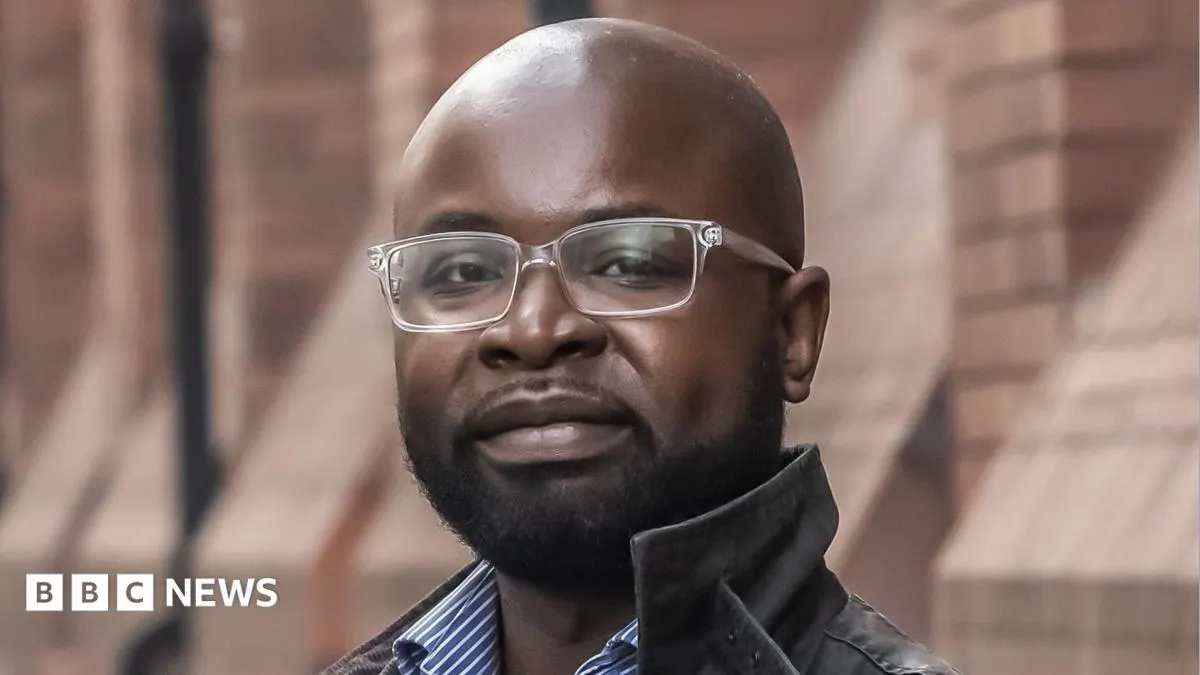
The Court of Appeal ruled that Touchstone, a Leeds mental health charity, discriminated against Christian social worker Felix Ngole over his religious views on homosexuality when it withdrew a job offer. The majority decision upheld Ngole’s appeal and dismissed the charity’s challenge, finding that his earlier, lawful expression of his beliefs could not become objectionable because of the role.
Ngole was offered the job in 2022, but Touchstone reconsidered after discovering media reports about his 2015 social media comments, in which he said homosexuality was a sin. The charity said it had concerns about his response to LGBT+ training and whether he would promote services tailored to LGBT+ users; Ngole said there was no evidence he would treat anyone without dignity or respect. The case had received differing rulings from an employment tribunal and the Employment Appeal Tribunal before the Court of Appeal’s majority decision, which also refused Touchstone permission to appeal to the Supreme Court.
In short
- Court of Appeal found Touchstone discriminated against Felix Ngole.
- The charity withdrew a 2022 job offer after reviewing his beliefs.
- The court rejected the charity’s request to appeal further.
Steelman: both sides, in good faith
The strongest fair case each way — we don't pick a winner.
The case for
Supporters of the ruling argue that holding a religious belief, and having expressed it lawfully in a personal capacity, should not disqualify someone from a professional role. They note that Ngole's comments predated the job offer and that no evidence was offered that he would treat any service user without dignity or respect. On this view, an employer that withdraws an offer because of protected beliefs, rather than conduct, risks making religious adherence a bar to public-facing work, and the tribunal finding protects the principle that equality and freedom of conscience can coexist.
The case against
Defenders of Touchstone's decision argue that an employer serving vulnerable people is entitled, and indeed obliged, to consider whether a candidate will deliver its services fairly to everyone it supports. They stress that the concern was not Ngole's faith as such but his response to LGBT+ training and whether he would promote tailored services, and that a charity with a diverse client base could reasonably judge this to pose a risk of unequal treatment. From this perspective, the right to hold beliefs does not require an employer to hire someone whose stated views, in its judgement, could undermine its duty of care, and the ruling may weaken employers' ability to make such decisions for sensitive roles.