Politics news and discussion on TalkFuse.
Germany votes through nearly 12 billion euros in Ukraine support for 2027
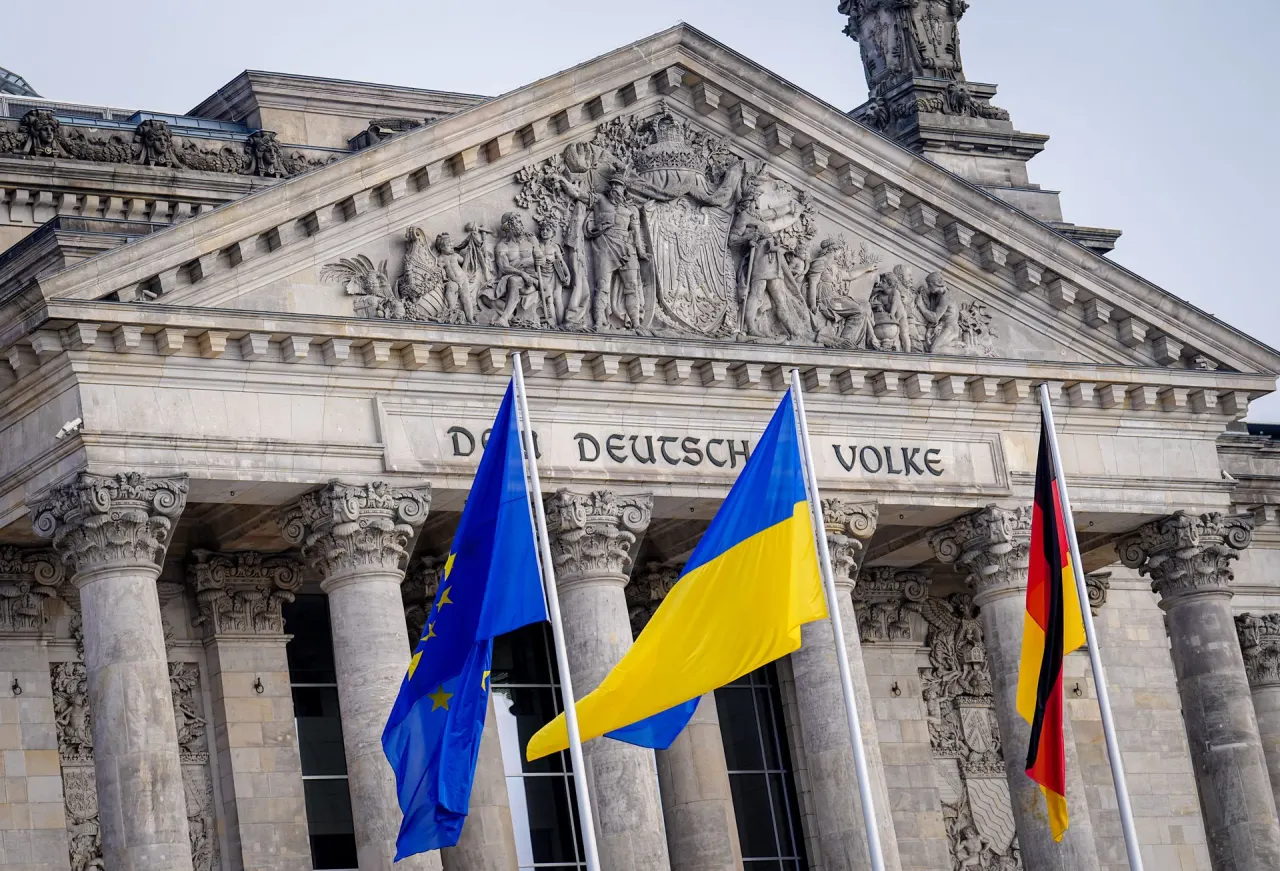
Germany’s parliament has approved €11.6 billion in support for Ukraine in its 2027 budget. The funding could cover almost half of the portion of Ukraine’s projected financing gap that remains after a proposed EU loan, making it significant for Kyiv’s ability to fund its budget and maintain International Monetary Fund support.
The budget allocates €9 billion to general Ukraine support, with smaller sums for strengthening Ukraine’s defence and foreign ministries and €25 million for medical treatment of Ukrainian soldiers. Germany has also set aside €649 million for the EU’s European Peace Facility, which can help procure weapons. Ukraine’s estimated 2027 funding gap is €70 billion; a proposed €45 billion EU loan would leave €25 billion for other partners to provide. Germany is the third-largest donor to Ukraine since Russia’s full-scale invasion began in 2022.
In short
- Germany approved €11.6 billion for Ukraine in its 2027 budget.
- The funding could cover almost half of the gap left after a proposed EU loan.
- Ukraine faces an estimated €70 billion financing shortfall for 2027.
Steelman: both sides, in good faith
The strongest fair case each way — we don't pick a winner.
The case for
Supporters argue that sustained German funding is essential to keep Ukraine's state running and its armed forces fighting, and that Europe's own security depends on preventing Russia from achieving its aims by force. They see the 2027 allocation as a practical response to a large financing gap, one that also helps secure the IMF programme that gives other donors confidence. Many also contend that Germany, as Europe's largest economy, has a particular responsibility to carry a fair share of the burden, and that the cost of support is modest compared with the likely cost of a wider conflict.
The case against
Critics do not necessarily oppose helping Ukraine, but they argue that the scale of commitment must be weighed against pressing domestic needs such as infrastructure, public services and the financing of Germany's own defence. They point to the constitutional debt brake and to the difficulty of justifying large, multi-year transfers to voters who face tight household budgets. Some also raise concerns about oversight, asking how funds will be tracked and whether there is a clear end point or strategy for the support. On this view, a responsible government should press other donors, including EU partners, to share costs more evenly before committing further German taxpayers' money.
Elections Europe Politics World