World news and discussion on TalkFuse.
Bulgaria holding EU’s 22nd Russia sanctions package hostage in bid to extract concessions
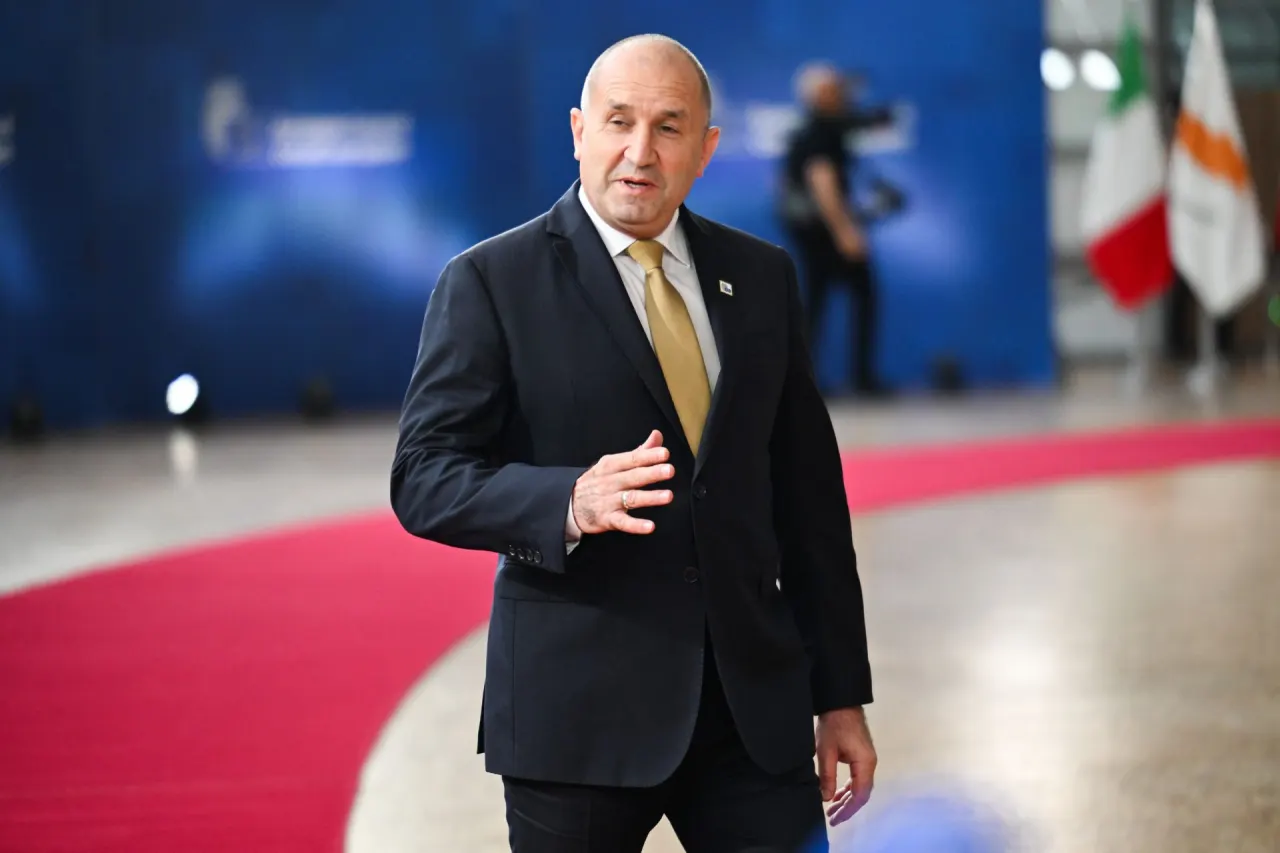
Bulgaria is seeking changes to the EU’s proposed 22nd package of sanctions against Russia, including lifting existing import bans and keeping two Russians off new sanctions lists. Its objections could delay measures that have broad support among EU countries, with an agreement targeted for December.
The European Commission proposed the package on 23 November. Bulgaria wants bans on Russian pig iron and mining equipment imports removed, and objects to listing a Russian chemicals company and a person linked to a nuclear facility; officials suspect commercial interests may be involved. Italy separately questioned a proposed ban on Europeans serving on Russian company boards and sought more scrutiny of other measures.
In short
- Bulgaria is seeking concessions on EU Russia sanctions.
- It wants two import bans lifted and two names excluded.
- EU countries aim to agree the package in December.
Steelman: both sides, in good faith
The strongest fair case each way — we don't pick a winner.
The case for
Member states have a legitimate interest in ensuring that sanctions are proportionate, legally robust and not needlessly damaging to their own industries, and Bulgaria's objections to the pig iron and mining equipment bans reflect concerns about supply chains and jobs at home. Listings of companies and individuals should rest on solid evidence, and pressing for changes before adoption can prevent weak designations that might later be overturned in court, strengthening the package rather than weakening it. Using negotiating leverage on specific points is a normal part of decision-making by unanimity, and raising concerns openly is preferable to accepting measures that a government believes are poorly targeted.
The case against
Sanctions adopted by unanimity depend on collective credibility, and prolonged delay gives Moscow time to adapt and signals that the EU's measures can be diluted by a single member state. The package has broad support across the bloc, so a demand from one country imposes costs on all the others, and concessions secured for narrow reasons risk undermining trust in the process. Measures such as the restrictions on board service and the listings are aimed at closing evasion routes and limiting the supply of military-relevant goods, so weakening them could reduce their effect. Legitimate technical objections can be raised and resolved through the normal working procedures without tying the whole package to bilateral demands.
Europe Geopolitics Politics World